Oncology
1943
The Papanicolaou Smear
In 1943 George Papanicolaou and the gynecologist Herbert Traut published evidence that cancer cells shed into vaginal smears could reveal uterine cancer. The test became the basis of cervical cancer screening programs.
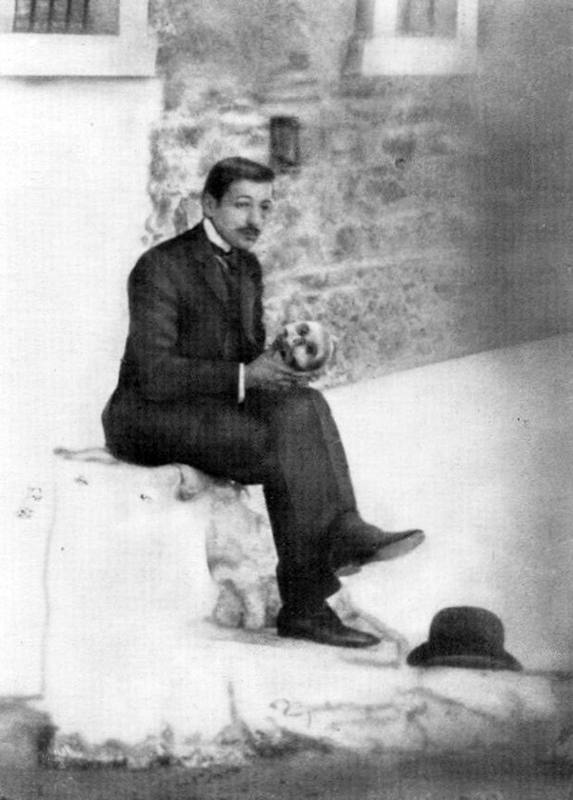
Key people
- George N. Papanicolaou
- Greek-born Cornell anatomist who developed the vaginal smear test
- Herbert F. Traut
- Gynecologist who wrote the 1943 studies with Papanicolaou
Source
George Papanicolaou, who was born in Greece, emigrated to the United States in 1913 and joined Cornell University Medical College in New York City. His early research had nothing to do with cancer. He studied the reproductive system of guinea pigs and found that the cells in their vaginal smears changed with the stages of the estrous cycle.
He guessed that smears taken from women might show abnormal, precancerous or cancerous cells in the same way. In January 1928, at a conference in Battle Creek, Michigan, he presented preliminary findings suggesting that cancer cells could be picked out in vaginal smears. Much of the medical community was skeptical, and he kept refining the technique and gathering data.
The method was validated in clinical studies in the early 1940s, after he began working with Herbert Traut, a gynecologist. Their joint monograph, Diagnosis of Uterine Cancer by the Vaginal Smear, appeared in 1943. In May of that year Traut, from the University of California Medical School, and Papanicolaou, from the anatomy department at Cornell, presented the method to the California Medical Association in Los Angeles, and California and Western Medicine published their paper that year.
The appeal of the smear was that it could find cancer at an early, more treatable stage. It spread widely after 1943 and became the core of cervical cancer screening programs around the world, and Christos Avdulla and Ntaniela Tachirai, reviewing the history in 2024, link it to the sharp fall in the incidence of cervical cancer and in deaths from it. The test's success also made cytology a standard diagnostic tool, and Papanicolaou's Atlas of Exfoliative Cytology followed in 1954. He died in 1962.
Keep exploring
 Read next · same disease or problem
Harald zur Hausen hypothesis linking HPV to cervical cancer (1976)
The Pap smear found cervical cancer early, and zur Hausen found the virus that drives it. His story shows HPV 16 cloned from tumors and the work that made HPV vaccines possible.
Read this moment
Read next · same disease or problem
Harald zur Hausen hypothesis linking HPV to cervical cancer (1976)
The Pap smear found cervical cancer early, and zur Hausen found the virus that drives it. His story shows HPV 16 cloned from tumors and the work that made HPV vaccines possible.
Read this moment
 Today on The Clinical Times
Love to Dream recalls portable baby sound machine over fire and burn risk
Love to Dream has recalled its portable Sleep Machine because its lithium-ion battery can overheat while charging with an incompatible charger, creating a risk of fire and burns.
Read today’s top stories
Today on The Clinical Times
Love to Dream recalls portable baby sound machine over fire and burn risk
Love to Dream has recalled its portable Sleep Machine because its lithium-ion battery can overheat while charging with an incompatible charger, creating a risk of fire and burns.
Read today’s top stories
All 526 moments in the history of medicine. This one is in chapter 5, Cures and codes
Connected moments
How this moment links to others in the history of medicine, and what you will find in each.
-
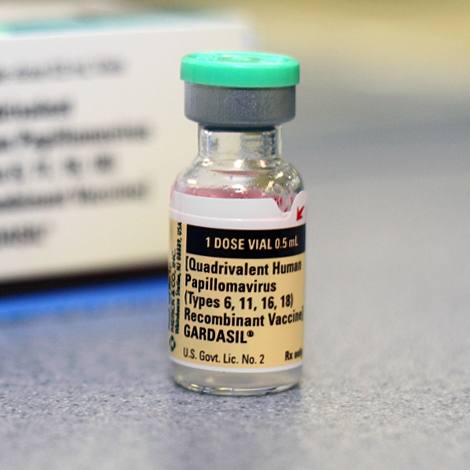 Same disease or problem2020Population evidence that HPV vaccination prevents invasive cervical cancerThe Pap smear cut cervical cancer by catching it early, and HPV vaccination now prevents it outright. The Swedish study shows an 88 percent lower risk of invasive cervical cancer when girls were vaccinated before 17.Read this moment
-
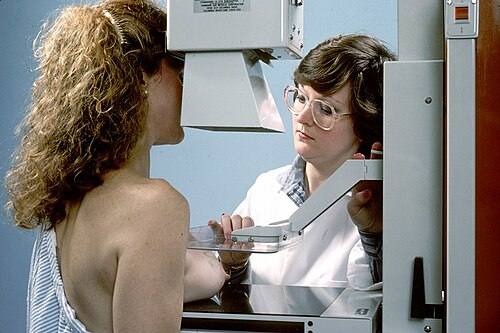 Same disease or problem1971Health Insurance Plan (HIP) of Greater New York mammography trialBoth tried to find cancer before it spread, the Pap smear in the cervix and mammography in the breast. The HIP story shows the first randomized trial of breast screening.Read this moment