Surgery & Anesthesia
1962
Charnley low-friction arthroplasty
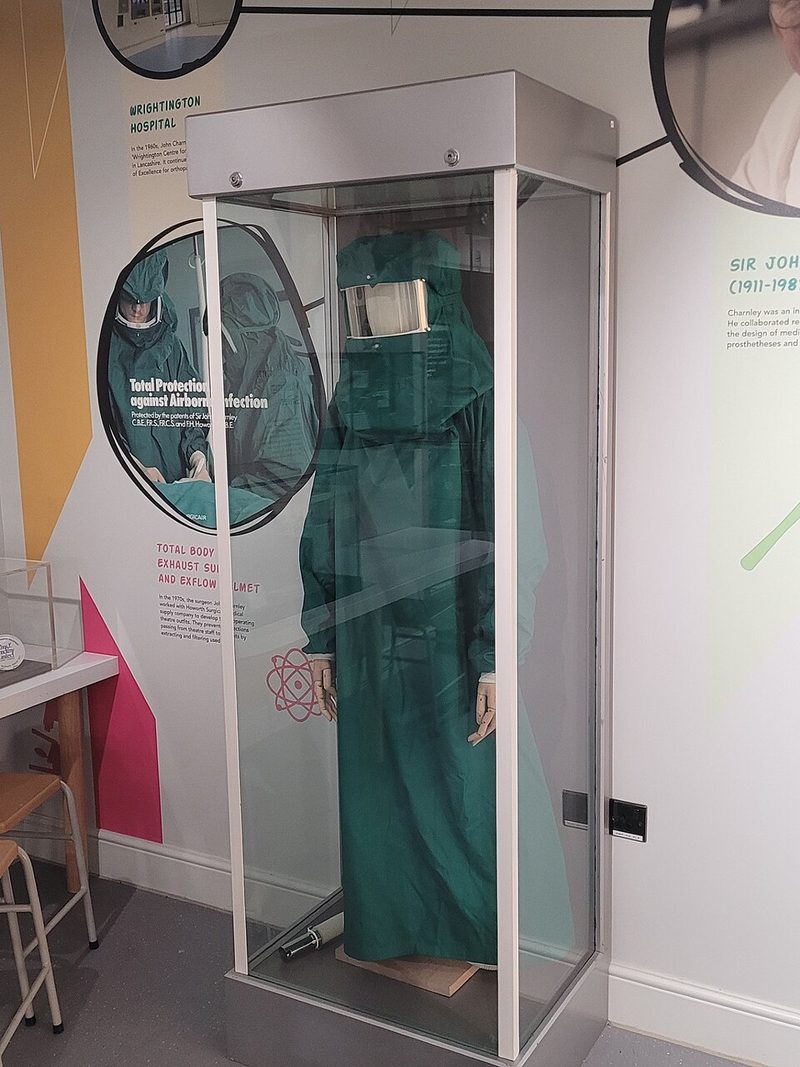
In November 1962 John Charnley, an orthopedic surgeon at Wrightington Hospital, developed his low-friction hip replacement: a 22.2 mm metal head, a polyethylene socket and acrylic bone cement. It made total hip replacement a lasting operation.
Key people
- John Charnley
- Wrightington Hospital orthopedic surgeon who developed low-friction arthroplasty
Source
Surgeons were already replacing hips before John Charnley; what he pioneered was a successful low-friction version. Charnley, an orthopedic surgeon at Wrightington Hospital, set out to reduce friction between the head of the femur and the socket of the pelvis. In 1956 he tried polytetrafluoroethylene, or Teflon, as a synthetic cartilage. It wore away quickly and provoked an intense reaction in the surrounding tissue. In May 1961 he described his approach in The Lancet as a new operation.
The answer he settled on was ultra-high molecular weight polyethylene, which was strong, wore slowly and ran with little friction. He also cut the turning force of the metal head against the socket by making the femoral head small, 22.2 mm across. Both parts were fixed with cold-cured polymethyl methacrylate. Bone cement does not glue an implant to bone; it fills the space around it and holds it in place like grout. The combination of materials and design, dated to November 1962, became known as the Charnley concept.
Doubts later arose over whether the results reported by specialist hip centres could be matched in ordinary hospitals. A study published in BMC Musculoskeletal Disorders in 2008 followed 404 Charnley low-friction arthroplasties implanted between 1976 and 1993 by general orthopedic surgeons in a general hospital. Four percent of the hips dislocated and 3.5 percent developed deep infections. At 25 years, 83 percent of both stems and cups were still in place, with better survival in patients over 60, results similar to those from centres devoted to hip surgery.
Keep exploring
 Read next · same disease or problem
National Halothane Study (1966)
Charnley's hip raised the question of whether specialist results held up in ordinary hospitals, the same comparison the halothane study pioneered. That entry shows how 800,000 anesthetics in 34 hospitals were pooled to judge a feared drug.
Read this moment
Read next · same disease or problem
National Halothane Study (1966)
Charnley's hip raised the question of whether specialist results held up in ordinary hospitals, the same comparison the halothane study pioneered. That entry shows how 800,000 anesthetics in 34 hospitals were pooled to judge a feared drug.
Read this moment
 Today on The Clinical Times
Love to Dream recalls portable baby sound machine over fire and burn risk
Love to Dream has recalled its portable Sleep Machine because its lithium-ion battery can overheat while charging with an incompatible charger, creating a risk of fire and burns.
Read today’s top stories
Today on The Clinical Times
Love to Dream recalls portable baby sound machine over fire and burn risk
Love to Dream has recalled its portable Sleep Machine because its lithium-ion battery can overheat while charging with an incompatible charger, creating a risk of fire and burns.
Read today’s top stories
All 526 moments in the history of medicine. This one is in chapter 6, Trials, scanners and rights
Connected moments
How this moment links to others in the history of medicine, and what you will find in each.
-
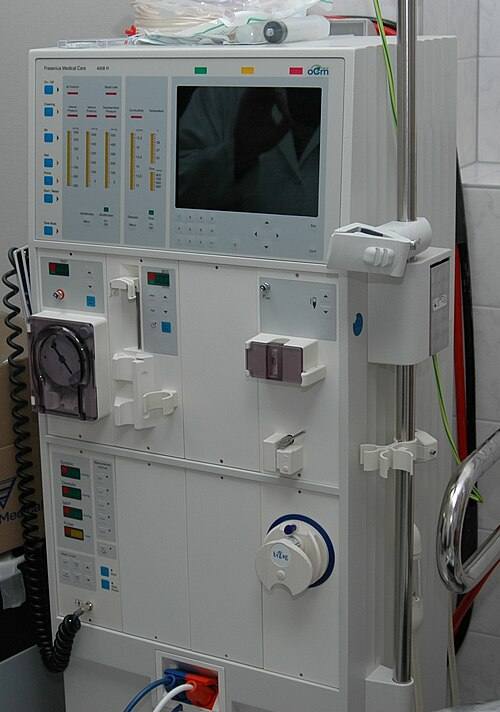 Same disease or problem1960Scribner shunt and long-term hemodialysisBoth needed a plastic the body would tolerate for years, and Teflon wore away in Charnley's hips but served in Scribner's tubes. The Scribner entry shows how a lasting shunt made dialysis a lifelong treatment.Read this moment
-
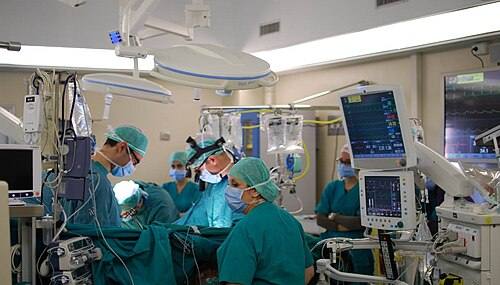 Same disease or problem2009WHO Surgical Safety ChecklistCharnley's hips were judged by dislocation and infection rates in an ordinary hospital, and the checklist targeted complications everywhere. It shows a 19-item routine followed by fewer deaths and complications in eight hospitals worldwide.Read this moment