Public Health
1986
Surgeon General's report on involuntary smoking
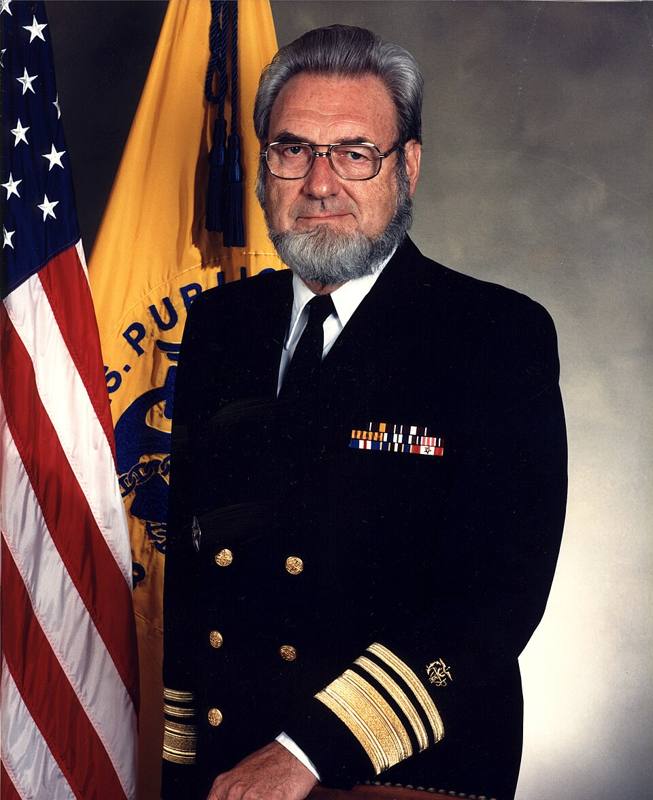
C. Everett Koop's 1986 report concluded that involuntary smoking causes disease, including lung cancer, in healthy nonsmokers, that children of smokers have more respiratory symptoms and infections, and that separating smokers within one air space does not eliminate exposure.
Key people
- C. Everett Koop
- US Surgeon General who issued the 1986 report
Source
The Health Consequences of Involuntary Smoking was prepared by the CDC's Office on Smoking and Health under Public Law 91-222, which required reports to Congress on new information about smoking and health. It dealt with the smoke nonsmokers breathe from other people's cigarettes. Sidestream smoke, released between puffs, was chemically similar to the mainstream smoke a smoker inhales, and both acted as carcinogens in laboratory bioassays. Measurements of smoke components in indoor air, and of nicotine absorbed by nonsmokers, pointed to exposures that would be expected to carry a lung cancer risk.
Of 13 epidemiological studies available, 11 found a positive relationship between exposure and lung cancer in nonsmokers, and 6 of those were statistically significant. The report drew three conclusions. Involuntary smoking is a cause of disease, including lung cancer, in healthy nonsmokers. Children whose parents smoke have more respiratory symptoms and infections and slightly slower growth in lung function. Separating smokers and nonsmokers within the same air space may reduce exposure but does not eliminate it.
The report also traced the spread of smoking restrictions: institutions began adopting them in the 1970s, local ordinances had multiplied since 1980, and polls showed growing support for limits in public places. In his preface Surgeon General C. Everett Koop wrote that smoking was an addictive behavior and the smoker's own choice, but that the choice could not override nonsmokers' right to air free of tobacco smoke.
An accompanying CDC note cited a National Academy of Sciences estimate that about 20 percent of the roughly 12,200 lung cancer deaths a year among US nonsmokers were due to environmental tobacco smoke. The National Library of Medicine's profile of Koop says the report presented secondhand smoke as a quantifiable health risk, especially to children, and that his campaign gave the anti-smoking movement the scientific base it later used to win bans on smoking in federal buildings and on public conveyances nationwide.
Keep exploring
 Read next · same disease or problem
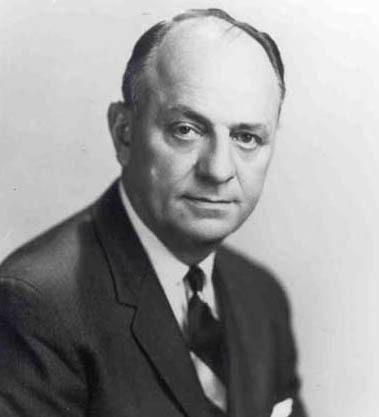
Surgeon General's Report on Smoking and Health (1964)
The 1964 report showed smoking harms smokers, and Koop's report showed it harms the nonsmokers around them. The 1964 entry shows the committee concluding that cigarettes cause lung cancer.
Read this moment
Read next · same disease or problem
Surgeon General's Report on Smoking and Health (1964)
The 1964 report showed smoking harms smokers, and Koop's report showed it harms the nonsmokers around them. The 1964 entry shows the committee concluding that cigarettes cause lung cancer.
Read this moment
 Today on The Clinical Times
Love to Dream recalls portable baby sound machine over fire and burn risk
Love to Dream has recalled its portable Sleep Machine because its lithium-ion battery can overheat while charging with an incompatible charger, creating a risk of fire and burns.
Read today’s top stories
Today on The Clinical Times
Love to Dream recalls portable baby sound machine over fire and burn risk
Love to Dream has recalled its portable Sleep Machine because its lithium-ion battery can overheat while charging with an incompatible charger, creating a risk of fire and burns.
Read today’s top stories
All 526 moments in the history of medicine. This one is in chapter 6, Trials, scanners and rights
Connected moments
How this moment links to others in the history of medicine, and what you will find in each.
-
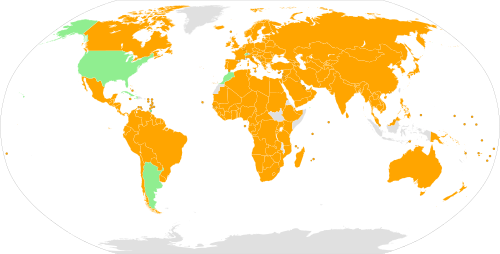 Same disease or problem2005WHO Framework Convention on Tobacco Control (FCTC) enters into forceKoop's report gave the science behind limits on smoking in shared air, and the WHO treaty made smoke-free laws a binding obligation. The FCTC entry shows the first treaty negotiated under WHO authority.Read this moment
-
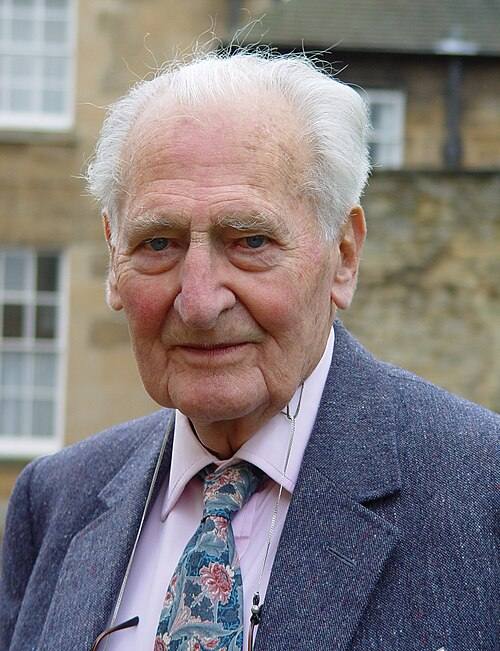 Same disease or problem1950Doll and Hill smoking and lung cancer case-control studyBoth tied tobacco smoke to lung cancer, first in smokers and then in nonsmokers breathing others' smoke. Doll and Hill's entry shows risk rising with every cigarette smoked.Read this moment