Public Health
2019
Eradication of wild poliovirus type 3
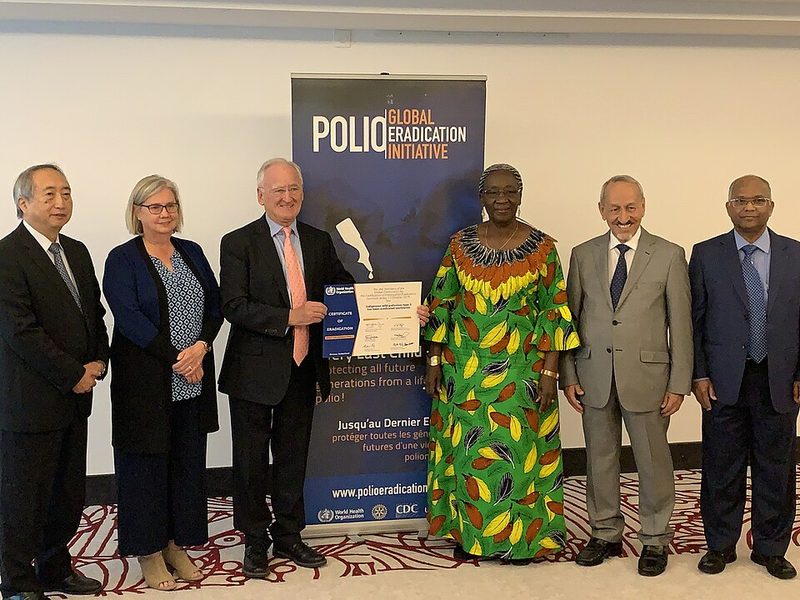
On 24 October 2019 an independent commission certified that wild poliovirus type 3 had been eradicated, four years after type 2. Only type 1 still circulated, in Afghanistan and Pakistan, after wild polio cases fell from 350,000 in 1988 to 176 in 2019.
Key people
- David Salisbury
- Chair of the commission that certified wild poliovirus type 3 eradicated
Source
The World Health Assembly launched the Global Polio Eradication Initiative in 1988, prompted by Rotary International's campaign. That year polio paralyzed more than 350,000 children in 125 countries. India reported its last wild case in 2011, and WHO's South-East Asia Region was declared polio-free in 2014. By 2019 the world count of wild poliovirus cases had fallen to 176, all in two countries. Wild poliovirus comes in three types. Type 2 went first: its last case was in 1999, and it was declared eradicated in September 2015.
Type 3 went next. Its last known case was in northern Nigeria in 2012. On 24 October 2019 the Global Commission for the Certification of Poliomyelitis Eradication, an independent panel of experts, concluded that type 3 had been eradicated worldwide, and its chair, David Salisbury, presented the certificate. Salisbury noted that no wild type 1 had been detected anywhere in Africa since 2016.
The eradication of type 2 changed the vaccine. Most outbreaks of circulating vaccine-derived poliovirus were caused by the type 2 strain in the oral vaccine, so in 2016 countries made a coordinated global switch from trivalent oral vaccine to a bivalent vaccine containing only the Sabin type 1 and type 3 strains. Vaccine-derived type 2 did not vanish with it: a 2020 CDC report counted 41 outbreaks of circulating vaccine-derived type 2 detected by the WHO Global Polio Laboratory Network after the switch.
With types 2 and 3 certified gone, wild poliovirus type 1 was the only wild strain left in circulation, confined to Afghanistan and Pakistan.
Keep exploring
 Read next · built on
Sabin Oral Live-Attenuated Polio Vaccine (1960)
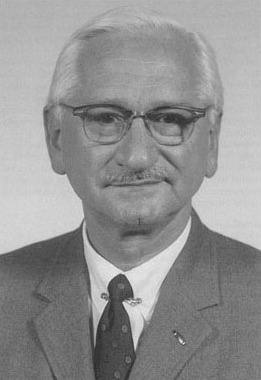
Sabin's oral vaccine was the campaign's main tool, and its type 1 and 3 strains remained in the vaccine after 2016. The Sabin entry shows how a live oral vaccine blocked spread in the gut.
Read this moment
Read next · built on
Sabin Oral Live-Attenuated Polio Vaccine (1960)
Sabin's oral vaccine was the campaign's main tool, and its type 1 and 3 strains remained in the vaccine after 2016. The Sabin entry shows how a live oral vaccine blocked spread in the gut.
Read this moment
 Today on The Clinical Times
Love to Dream recalls portable baby sound machine over fire and burn risk
Love to Dream has recalled its portable Sleep Machine because its lithium-ion battery can overheat while charging with an incompatible charger, creating a risk of fire and burns.
Read today’s top stories
Today on The Clinical Times
Love to Dream recalls portable baby sound machine over fire and burn risk
Love to Dream has recalled its portable Sleep Machine because its lithium-ion battery can overheat while charging with an incompatible charger, creating a risk of fire and burns.
Read today’s top stories
All 526 moments in the history of medicine. This one is in chapter 7, Genes and pandemics
Connected moments
How this moment links to others in the history of medicine, and what you will find in each.
-
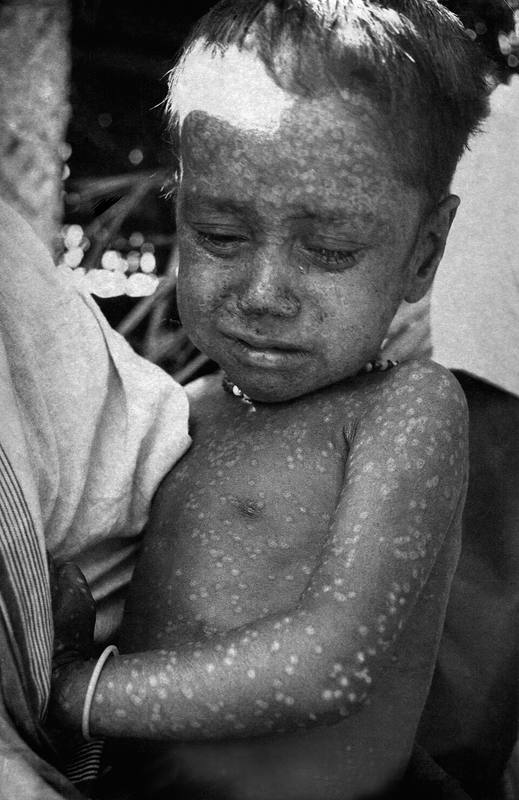 Same disease or problem1980Global Eradication of SmallpoxSmallpox was the first human disease wiped out, and polio type 3 followed as a second virus strain certified gone. The smallpox entry shows surveillance and ring vaccination ending the disease.Read this moment
-
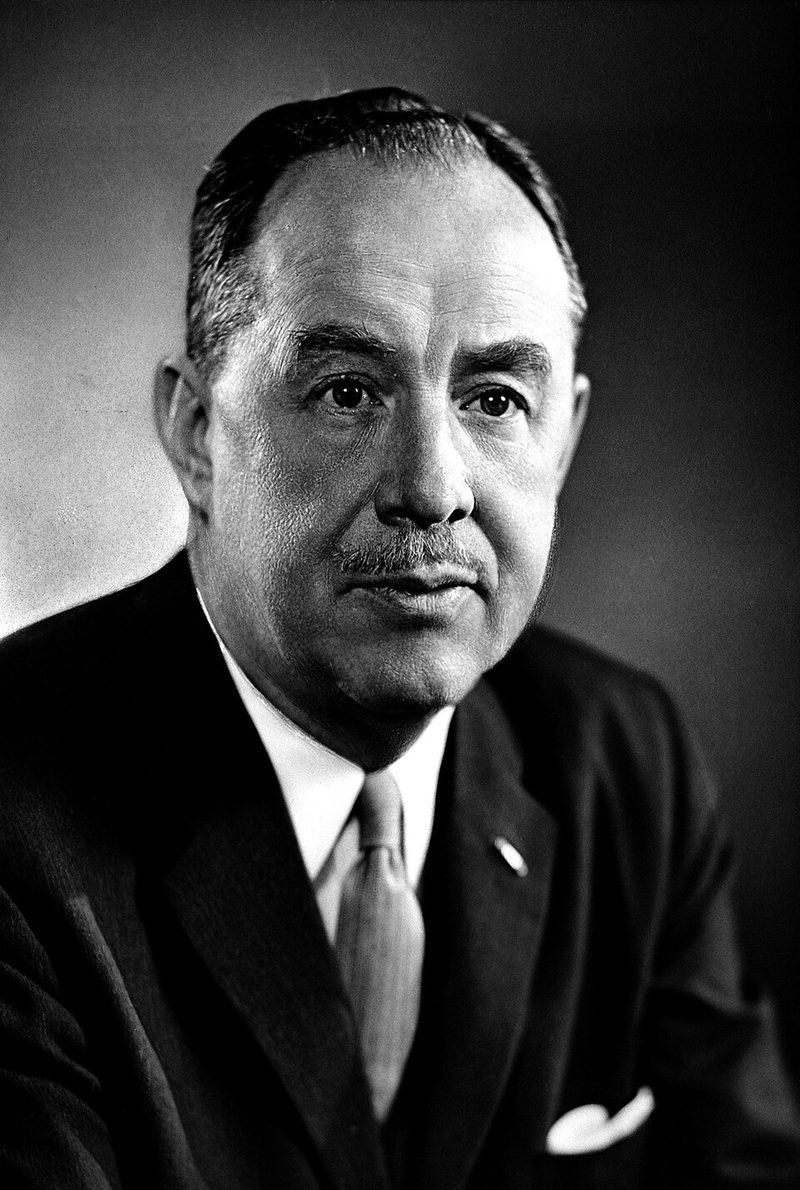 Same disease or problem1955Salk Inactivated Polio Vaccine Field Trial (Francis Report)Salk's killed vaccine halted the worst American epidemics, and decades of vaccination later removed a wild strain from the world. The Salk entry shows the 1954 trial in 1.8 million children.Read this moment