Research
Maui study finds elevated metal levels months after wildfires
A study of 1,400 Maui adults found elevated urine metal levels months after the 2023 fires, with higher exposure associated with abnormal lung-function measures.
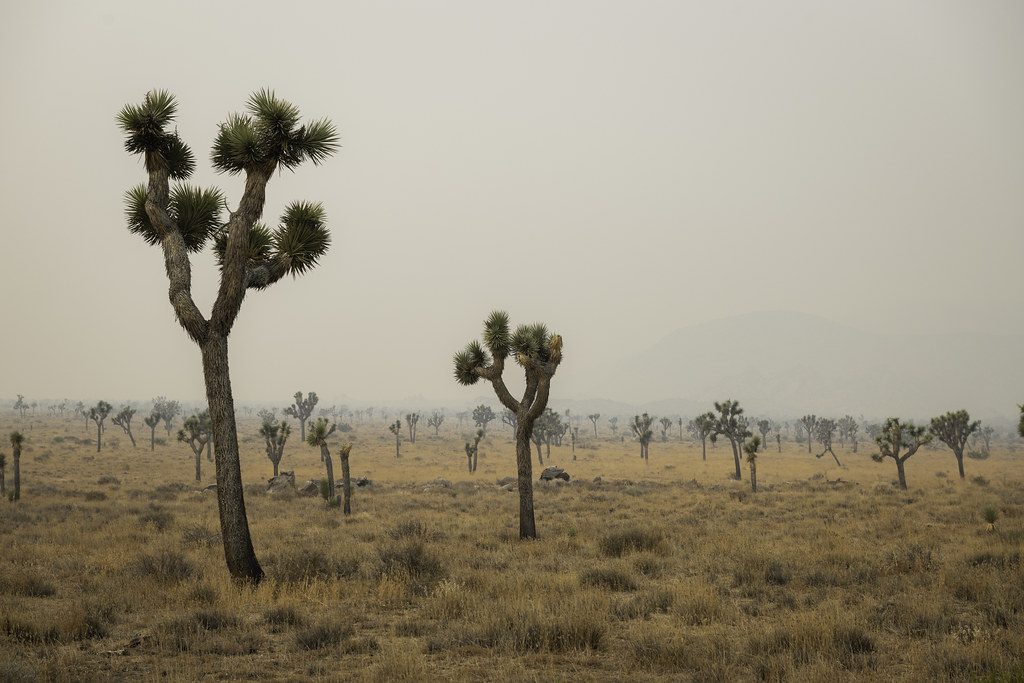
Researchers from the University of Hawaiʻi at Mānoa’s Maui Wildfire Exposure Study reported elevated concentrations of several metals in urine samples from 1,400 adults tested months after the August 2023 wildfires. The study measured 24 metals and assessed lung function with standardized breathing tests.
Compared with U.S. biomonitoring data, antimony levels were nearly 40 times higher, manganese 3.8 times, barium 2.3 times and arsenic 2.2 times. Higher combined metal exposure was associated with several abnormal lung-function measures. The researchers said the study cannot determine how much of the measured exposure came from the fires because there was no pre-fire biomonitoring data.
Researchers said exposures may also reflect Hawaiʻi’s geology, historic land use, diet and other environmental sources. Medical Xpress reported that a next phase will investigate contaminant sources and follow approximately 1,000 Hawaiʻi residents over five years, combining environmental measurements, biological samples and cardiopulmonary assessments.