Addiction
Study finds major gaps in opioid treatment for young people
Only 3.1% of Medicaid-enrolled youths with opioid use disorder remained on medication after 180 days, the study found.
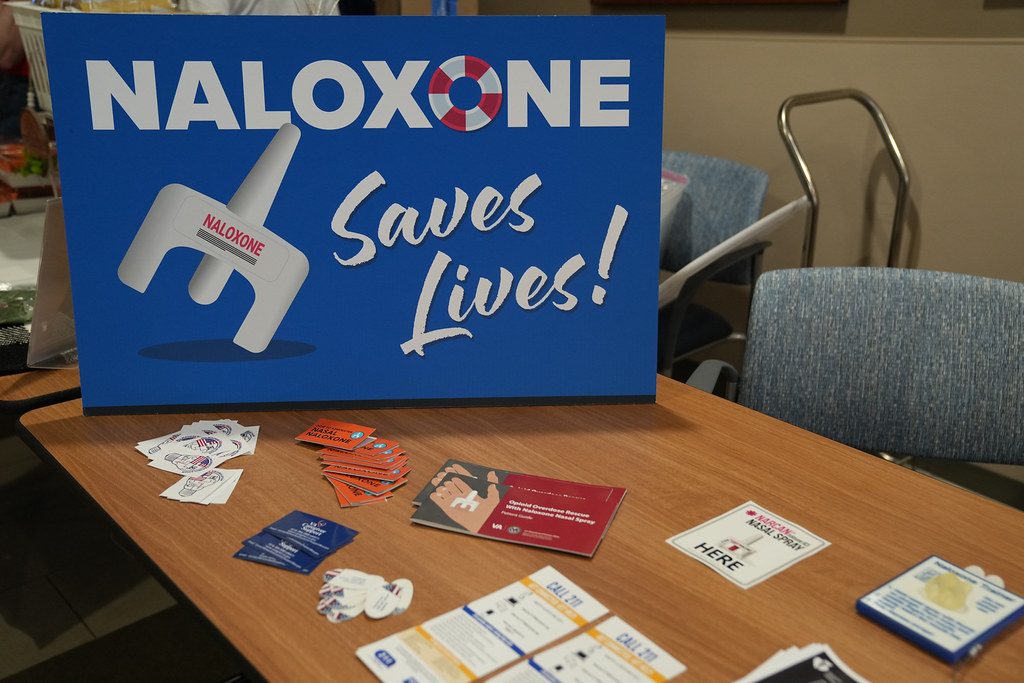
A national study of Medicaid claims found that many adolescents and young adults diagnosed with opioid use disorder did not progress through stages of care. Researchers analyzed records for 229,847 people ages 13 to 25 from 2016 to 2023, according to Medical Xpress.
Within 14 days of diagnosis, 50.7% initiated treatment, and 32.9% attended two or more additional sessions in the 34 days after starting care. Of those who engaged in treatment, 46.3% began medication, including buprenorphine, methadone or extended-release naltrexone. Only 3.1% of youths with opioid use disorder remained on medication after 180 days, the study found.
Researchers also found that younger adolescents and racially minoritized youths had lower progression through care stages. The study’s authors said the findings could inform Medicaid plan design, service delivery and policies to improve quality and equity in youth care.
Reporting on this story
- STAT Access to addiction meds for young people has improved: but retention hasn’t (opens in a new tab)
- JAMA Network Open Opioid Use Disorder and Evidence-Based Care Among Medicaid-Enrolled Youths (opens in a new tab)
- Medical Xpress Study reveals large gaps in care for youths with opioid use disorder (opens in a new tab)