Pediatrics
Study links missed newborn vitamin K shots to higher bleeding risk
In a study of 5.24 million newborns, those who missed vitamin K shots had higher bleeding risks through 6 months.
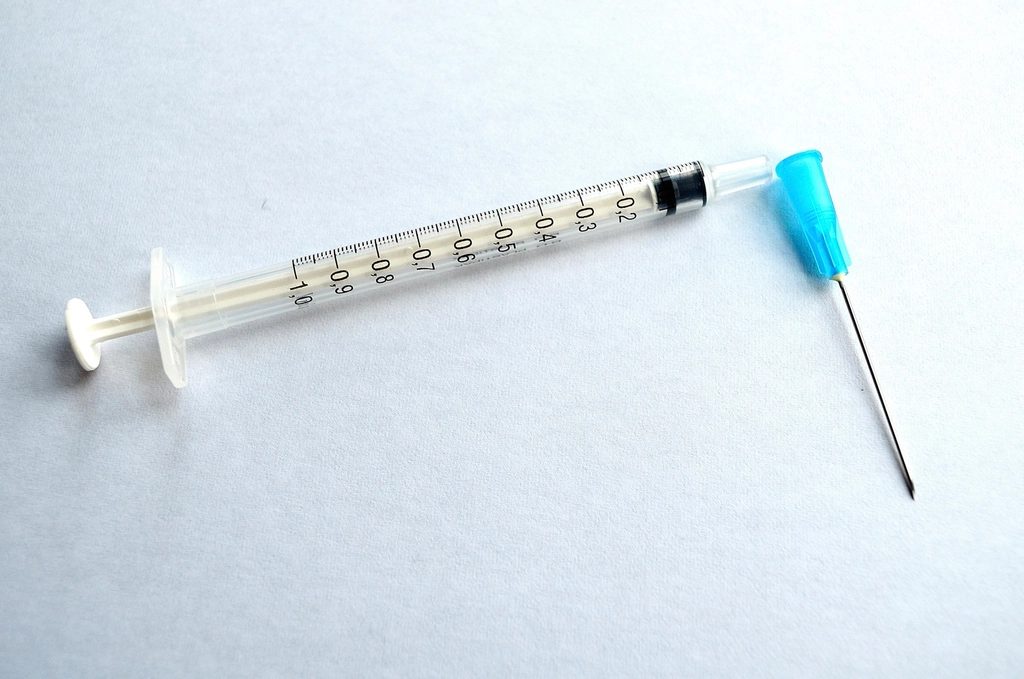
A nationwide study found that newborns who did not receive vitamin K shots had higher rates of bleeding during their first 6 months. The share of infants who missed the shots rose from 3.1% in 2017 to 6.8% in 2025, according to the study, published in JAMA.
Among infants who missed the shots, bleeding occurred at a rate of 288.0 per 10,000, compared with 185.9 per 10,000 among those who received them. The adjusted risk ratio for intracranial bleeding was 2.43. A related JAMA Pediatrics research letter found that vitamin K deficiency bleeding among children ages 0 to 6 months rose from 24.0 to 107.4 per 100,000 over the same period.
Both studies used electronic health record data from January 2017 through December 2025. The researchers said the data excluded infants treated at facilities using other electronic health record systems. The authors of the research letter said offering oral vitamin K as a second-line option may be warranted if rejection of injections continues.