Research
Intensive BP Lowering, Yoga-Based Cardiac Rehab Highlighted Among Late-Breaking Science at AHA 2026
In OPTIMAL-DIABETES, intensive treatment did not significantly reduce major cardiovascular events compared with standard treatment over a median follow-up of four years.
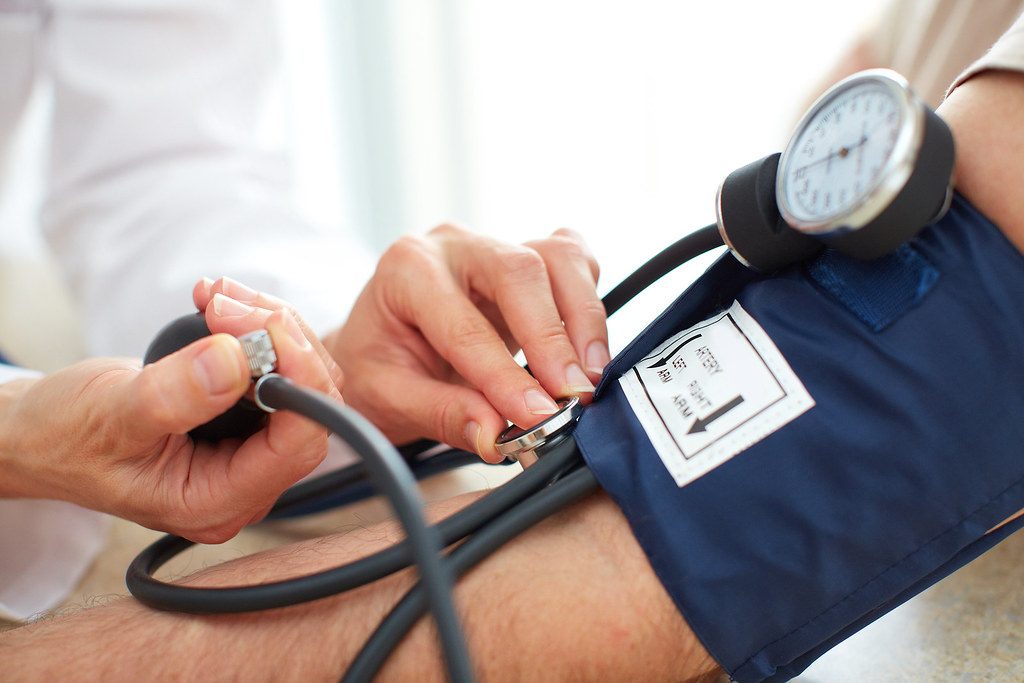
Researchers in Brazil randomized nearly 9,500 people with high blood pressure, type 2 diabetes and high cardiovascular risk in the OPTIMAL-DIABETES trial. The intensive-treatment group had a systolic blood-pressure target of less than 120 mm Hg, compared with less than 140 mm Hg for standard treatment. ACC reported the results at AHA 2026 and said they were published in the New England Journal of Medicine.
Over a median follow-up of four years, intensive treatment did not significantly reduce major cardiovascular events: the rates were 6% with intensive treatment and 6.7% with standard treatment. The events included cardiovascular death, nonfatal heart attack or stroke, and hospitalization for unstable angina or heart failure. Serious adverse event rates were similar between the groups. Researchers reported that intensive treatment lowered mean systolic blood pressure when the first three months were excluded.