Heart health
Intensive blood pressure treatment reduced cardiovascular events after stroke
After ischemic stroke or TIA, a systolic blood pressure target below 120 mmHg reduced cardiovascular events versus below 140 mmHg, but renal outcomes were more common.
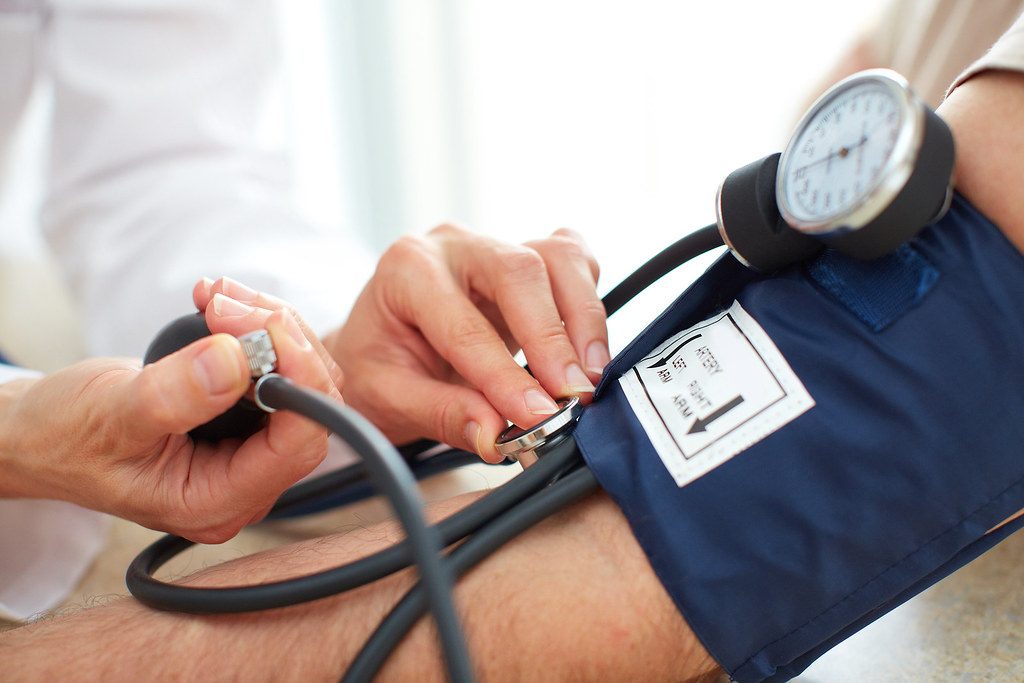
A randomized trial reported at the American Heart Association Scientific Sessions tested intensive blood pressure treatment in adults with elevated blood pressure and a previous ischemic stroke or transient ischemic attack. Researchers at 30 sites assigned 2,172 participants to a systolic blood pressure target of <120 mmHg and 2,196 to standard treatment targeting <140 mmHg. The study was published online Nov. 7 in the New England Journal of Medicine.
During a median follow-up of 3.9 years, the composite of cardiovascular death, nonfatal myocardial infarction, nonfatal stroke, or hospitalization for unstable angina or heart failure occurred in 10.9% of the intensive-treatment group and 13.5% of the standard-treatment group. Researchers reported a hazard ratio of 0.79. A composite renal outcome, defined as sustained reduction of ≥50% in estimated glomerular filtration rate or progression to end-stage renal disease, was more common with intensive treatment. Gisele Sampaio Silva said lower blood pressure requires medical supervision and additional monitoring, particularly of kidney function.
Reporting on this story
- ACC (Cardiology) Eagle’s Eye View: SPECIAL AHA RECAP focusing on seven studies: ZEUS & Ziltivekima; HORIZON & Pelacarsen; OPTIMAL-STROKE & BP Control; STREAM & Statin Therapy; OPTIMA-DIABETES & BP Control Through Yoga, OptimPacing & Left Bundle-Branch Pacing; COAST-AF & Ablation (opens in a new tab)
- Medical Xpress AHA: More intensive blood pressure lowering cuts future cardiovascular risk after stroke, transient ischemic attack (opens in a new tab)