Research
Experimental brain-computer interfaces help people with paralysis communicate
Experimental brain-computer interfaces helped people with paralysis communicate through synthetic speech or text, according to findings presented at Neuroscience 2026.
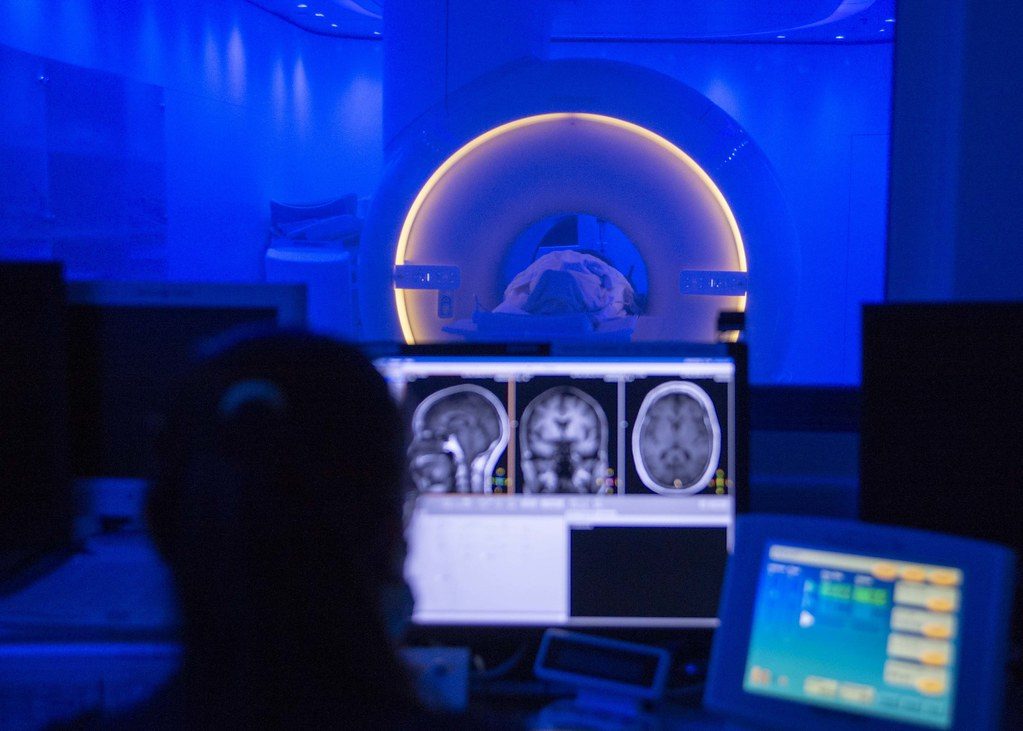
Experimental brain-computer interfaces helped people with paralysis communicate through synthetic speech or text, according to findings presented at Neuroscience 2026 and reported by Medical Xpress. The systems were tested in clinical trial participants who had lost the ability to speak or make voluntary movements.
Medical Xpress reported that speech synthesis captured pitch variations and supported singing. It also said movement decoding enabled independent communication for over a year in one completely locked-in person, and that a portable brain-to-text system operated on an iPhone.
The New York Times headline described brain implants giving ALS patients the ability to speak and sing. Its snippet said a former singer sang a musical scale in one demonstration, then cried tears of joy.