Diagnostics
Researchers report blood marker findings that may help detect CTE during life
In a study of 21 former football players, blood levels of eMTBR-tau were higher in those with CTE, but the findings need validation.
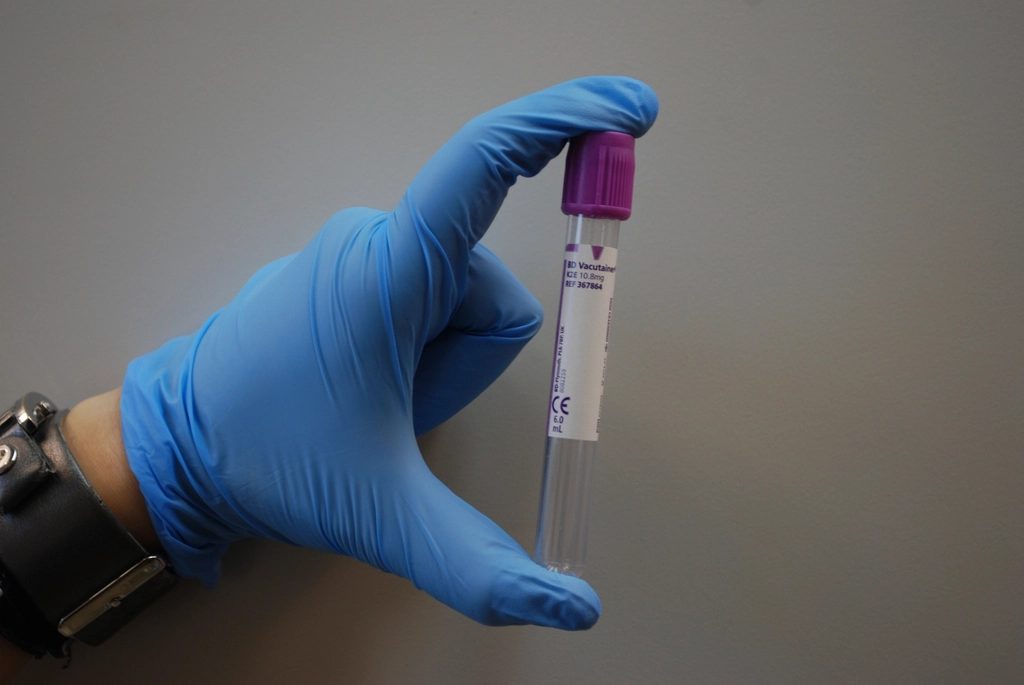
Researchers reported preliminary findings that a blood marker may help detect chronic traumatic encephalopathy (CTE) during life. CTE can currently be diagnosed only after death, by autopsy. The study examined blood donated by 21 former football players who later donated their brains for research, according to STAT and MedPage Today. Eighteen had CTE confirmed at autopsy, including 16 with high-stage disease.
The researchers found higher blood levels of eMTBR-tau, a form of tau, in participants with CTE than in those without it. Levels were also higher in players with high-stage CTE than in those with low-stage or no CTE. MedPage Today reported that levels were highest in participants who also had Alzheimer’s pathology. The study was published in JAMA. Researchers said the findings are preliminary and need validation in future studies before the test is ready for use in patients.