Infectious disease
U.S. loses measles elimination status, raising concerns about other infections
Doctors warn that measles’ return may signal falling vaccination coverage and leave other preventable infections more likely to spread.
The Pan American Health Organization said on Nov. 17 that the United States had lost its measles elimination status. NBC News reported that the same strain had circulated uninterrupted in the country for more than a year. Public-health experts quoted by Time called the loss a warning sign of a weakened immunization system.
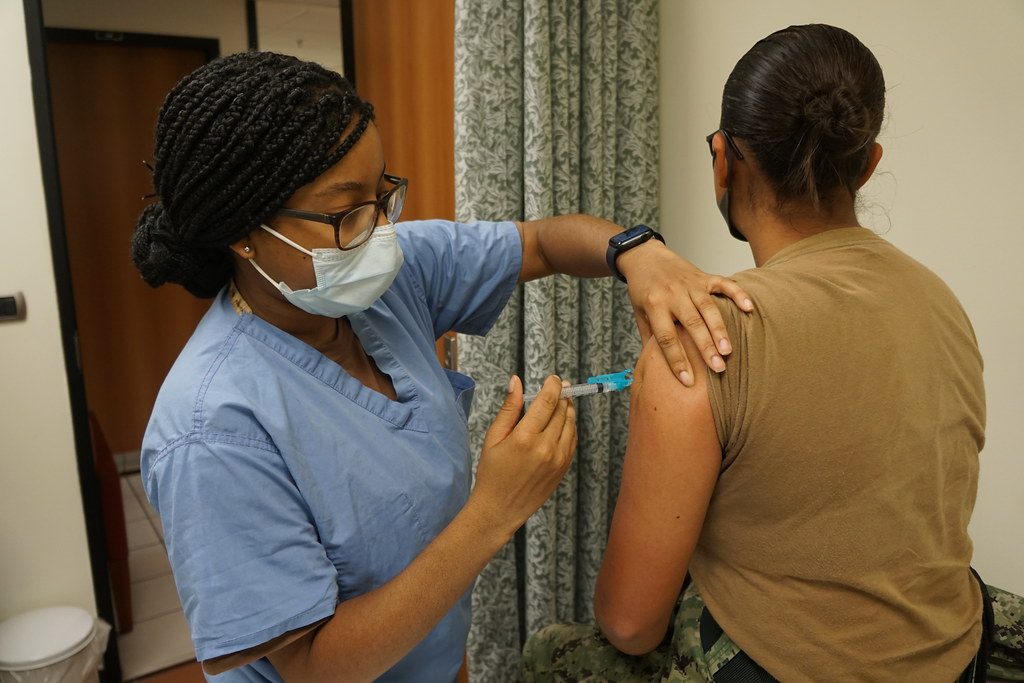
Doctors warn that declining vaccination coverage could allow other preventable illnesses to spread. NBC News discussed possible returns of mumps, rubella, chickenpox, pertussis, diphtheria, tetanus and polio. Time reported that measles infection can impair immune cells’ memory of other germs for a prolonged period, potentially increasing susceptibility to infections a person was previously protected against.
A November 2026 Annenberg survey reported by ScienceDaily found that 17% of respondents believed the claim that childhood vaccines cause autism, while 19% were unsure. Nearly half, 49%, did not know how many MMR doses children need for full protection, and 34% correctly identified the recommended two-dose schedule.
Reporting on this story
- Time Measles Is Back in the U.S. What Happens Next? (opens in a new tab)
- NBC News As the US Loses Measles Elimination Status, These 7 Childhood Illnesses Could Also Come Back, Doctor Says (opens in a new tab)
- ScienceDaily U.S. loses measles elimination status after 25 years as vaccine myths persist (opens in a new tab)