Reproductive Health
1881
Credé's silver nitrate drops for newborns
From June 1880 Carl Credé had a drop of 2 percent silver nitrate put into the eyes of every baby born at his Leipzig maternity hospital. Ophthalmia neonatorum there fell from about one baby in ten to almost none.
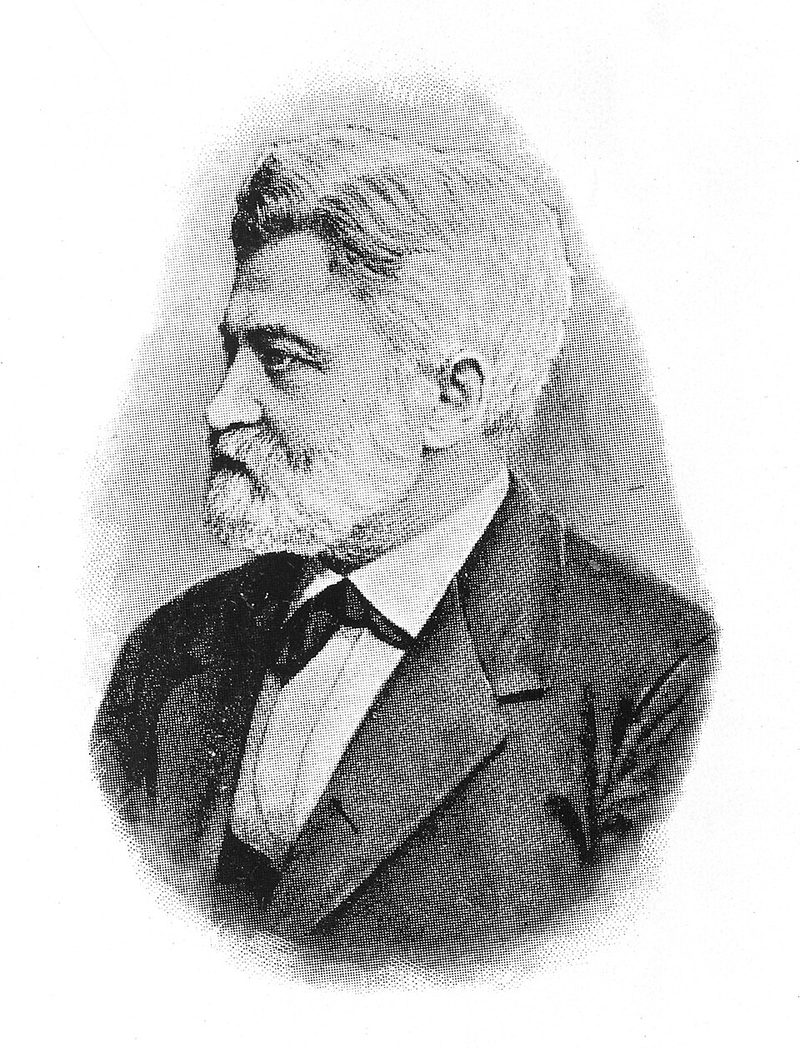
Key people
- Carl S. F. Credé
- Leipzig obstetrics professor who introduced silver nitrate eye prophylaxis
Source
In 1874 the maternity hospital in Leipzig recorded 45 cases of ophthalmia neonatorum among 323 births, or 13.6 percent. In 1879 it was 36 among 389. The disease, a pus-forming inflammation of the newborn's eyes caught from the mother during delivery, was then a major cause of childhood blindness in Europe. Up to half the children in schools for the blind had lost their sight to it.
Carl Credé, professor of obstetrics and director of the university's obstetric clinic and midwives' school, held that the infection entered the eyes during birth. In October 1879 he began putting a borax solution into the eyes of babies born to mothers judged to be infected, whose vaginas were also rinsed throughout labor. Three of the first 20 babies still fell ill. In December he switched to silver nitrate, 1 part in 40. None of 38 babies treated this way developed the disease by June 1880, but 12 babies of mothers thought healthy, who had been left untreated, did.
From 1 June 1880 every baby was treated. The solution was weakened to 1 in 50, or 2 percent, and no longer squirted in: an assistant gently opened each cleaned eye and a single drop was applied from a small glass rod. From then until 8 December the hospital had 200 births and one case, in a baby whose eyes had been missed by mistake. Credé reported this in Archiv für Gynaekologie in 1881.
Two further reports followed. Over almost three years Credé counted one or at most two cases among 1,160 babies, and he found the same rate a year later, in March 1884, when he gathered the work into a book. Results elsewhere varied. At Späth's clinic in Vienna the rate fell below 1 percent among 1,350 babies, while Hecker in Munich saw almost no change.
The drops irritated the eye, and the strength was later cut to 1 percent. Silver nitrate works poorly against chlamydia, now the more common cause, and the United States and several other countries have replaced it with erythromycin or tetracycline ointment.
Keep exploring
 Read next · same disease or problem
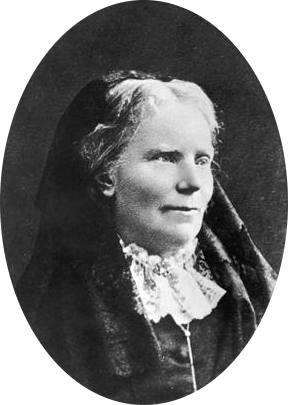
Elizabeth Blackwell's medical degree (1849)
Credé's drops targeted a pus forming eye infection of newborns, and Elizabeth Blackwell caught purulent ophthalmia from a young patient and lost an eye. Her story shows how that ended her plan to become a surgeon.
Read this moment
Read next · same disease or problem
Elizabeth Blackwell's medical degree (1849)
Credé's drops targeted a pus forming eye infection of newborns, and Elizabeth Blackwell caught purulent ophthalmia from a young patient and lost an eye. Her story shows how that ended her plan to become a surgeon.
Read this moment
 Today on The Clinical Times
Love to Dream recalls portable baby sound machine over fire and burn risk
Love to Dream has recalled its portable Sleep Machine because its lithium-ion battery can overheat while charging with an incompatible charger, creating a risk of fire and burns.
Read today’s top stories
Today on The Clinical Times
Love to Dream recalls portable baby sound machine over fire and burn risk
Love to Dream has recalled its portable Sleep Machine because its lithium-ion battery can overheat while charging with an incompatible charger, creating a risk of fire and burns.
Read today’s top stories
All 526 moments in the history of medicine. This one is in chapter 4, Germs, numbers and clean water
Connected moments
How this moment links to others in the history of medicine, and what you will find in each.
- Same disease or problem1994ACTG 076 perinatal HIV prevention trialBoth stopped an infection passing from mother to baby at birth, Credé with eye drops and ACTG 076 with zidovudine. The trial's story shows transmission of HIV to newborns cut from 25.5 to 8.3 percent.Read this moment
-
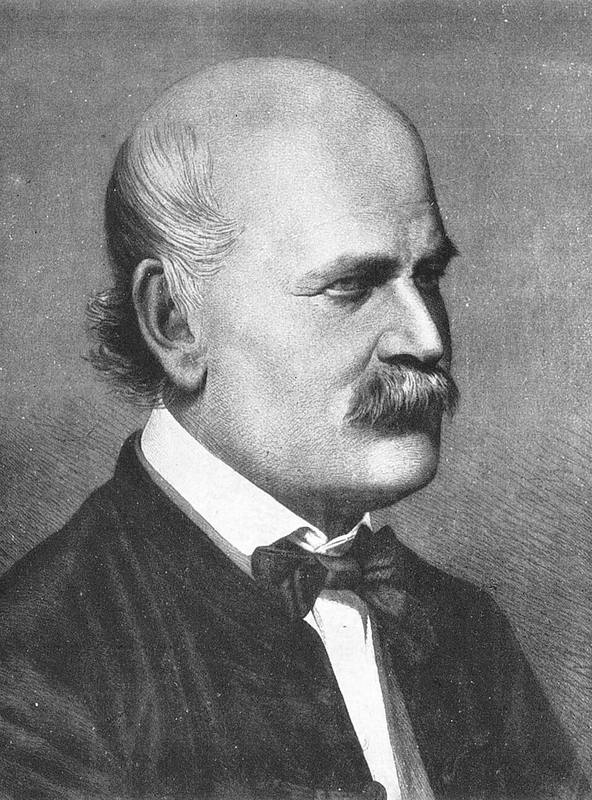 Same disease or problem1847Hand washing prevents childbed feverBoth attacked infections that struck around childbirth, Credé in babies' eyes and Semmelweis in mothers. His story shows deaths on one Vienna maternity ward falling from 18 percent to about 2.Read this moment