Infectious Disease
1994
ACTG 076 perinatal HIV prevention trial
A placebo-controlled trial found that zidovudine given during pregnancy and labor and to the newborn cut mother-to-child transmission of HIV from 25.5 to 8.3 percent, a relative reduction of about two-thirds.
Worldwide, most HIV infections in children came from their mothers. In the United States about 7,000 babies were born each year to women with HIV, and 1,000 to 2,000 of them were infected. Prevention had meant keeping women from being infected and advising infected women to avoid pregnancy or not to breastfeed.
The Pediatric AIDS Clinical Trials Group of the National Institute of Allergy and Infectious Diseases began Protocol 076 in April 1991, with the National Institute of Child Health and Human Development and the French agencies INSERM and ANRS. It enrolled HIV-infected pregnant women at 14 to 34 weeks of gestation whose CD4 counts were above 200 and who had taken no antiretroviral drugs during the pregnancy. Women were randomly assigned to placebo or to zidovudine, taken by mouth five times a day and then intravenously during labor, and the babies of treated mothers received oral zidovudine every six hours for six weeks.
By 20 December 1993, 477 women had enrolled and 409 had given birth to 415 babies. Infection status was known for 363 births: 13 infants were infected in the zidovudine group and 40 in the placebo group. The estimated infection rates at 18 months were 8.3 percent with zidovudine and 25.5 percent with placebo, a relative reduction of 67.5 percent. Side effects were minor; babies in the zidovudine group had lower hemoglobin at birth, but the difference was gone by 12 weeks.
On 21 February 1994 the two US institutes announced the preliminary results. On the advice of an independent data and safety monitoring board, the trial stopped enrolling, and women in the placebo group who had not yet delivered, along with their babies under six weeks old, were offered zidovudine. The Public Health Service issued interim recommendations that spring, telling clinicians to inform eligible pregnant women with HIV of the potential benefits and the unknown long-term risks. The full report appeared in the New England Journal of Medicine on 3 November 1994, while follow-up of mothers and children continued to look for late side effects.
Keep exploring
 Read next · built on
AZT (Zidovudine) Trial for AIDS (1987)
ACTG 076 gave pregnant women and newborns zidovudine, the first drug proven to extend life in AIDS. The AZT entry shows the 1987 trial stopped early with 1 death on the drug against 19 on placebo.
Read this moment
Read next · built on
AZT (Zidovudine) Trial for AIDS (1987)
ACTG 076 gave pregnant women and newborns zidovudine, the first drug proven to extend life in AIDS. The AZT entry shows the 1987 trial stopped early with 1 death on the drug against 19 on placebo.
Read this moment
 Today on The Clinical Times
Love to Dream recalls portable baby sound machine over fire and burn risk
Love to Dream has recalled its portable Sleep Machine because its lithium-ion battery can overheat while charging with an incompatible charger, creating a risk of fire and burns.
Read today’s top stories
Today on The Clinical Times
Love to Dream recalls portable baby sound machine over fire and burn risk
Love to Dream has recalled its portable Sleep Machine because its lithium-ion battery can overheat while charging with an incompatible charger, creating a risk of fire and burns.
Read today’s top stories
All 526 moments in the history of medicine. This one is in chapter 6, Trials, scanners and rights
Connected moments
How this moment links to others in the history of medicine, and what you will find in each.
-
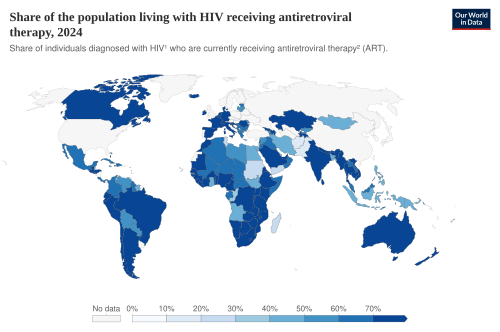 Same disease or problem2011HPTN 052: Antiretroviral Therapy as HIV PreventionBoth used HIV drugs to stop the virus passing to someone else, a baby in 1994 and a sexual partner in 2011. HPTN 052 shows early treatment cutting transmission between partners by 96 percent.Read this moment
-
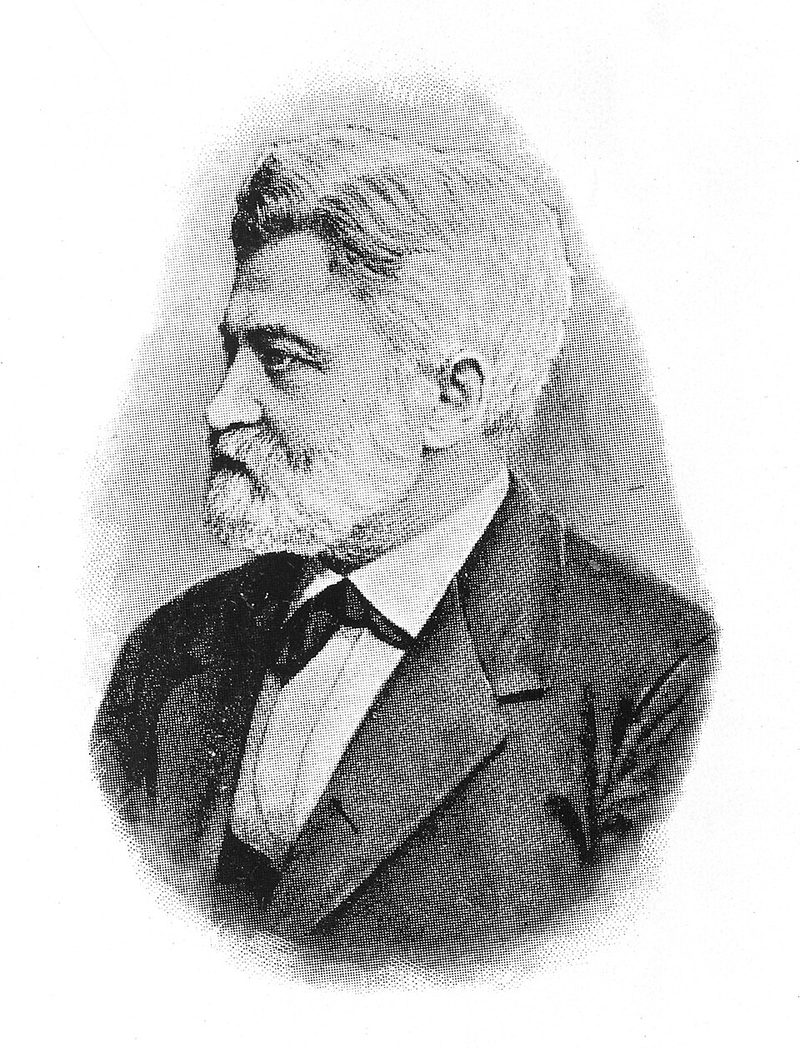 Same disease or problem1881Credé's silver nitrate drops for newbornsBoth stopped an infection passed from mother to baby around birth, HIV in 1994 and eye infection in 1881. Credé's entry shows silver nitrate drops cutting newborn eye infection from one in ten to almost none.Read this moment
-
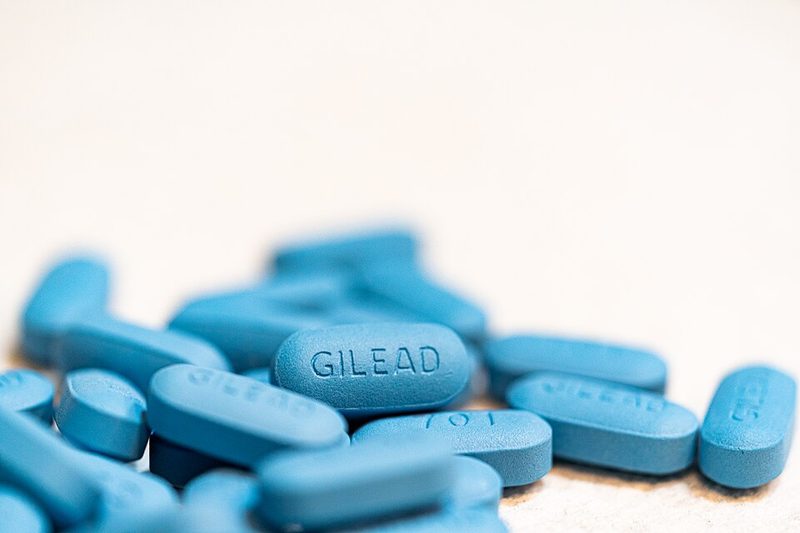 Same disease or problem2012Oral pre-exposure prophylaxis (PrEP) against HIVBoth showed that antiretroviral drugs can prevent HIV infection, not only treat it. The PrEP entry shows a daily pill cutting sexual transmission by 92 percent when the drug was detectable.Read this moment