Foundational Discovery
1896
Finsen's light treatment of lupus vulgaris
The Danish physician Niels Finsen treated lupus vulgaris, a disfiguring tuberculosis of the skin, with concentrated ultraviolet light, and opened a light institute in Copenhagen in 1896. Half of its first 800 lupus patients were cured, and Finsen received the 1903 Nobel Prize.
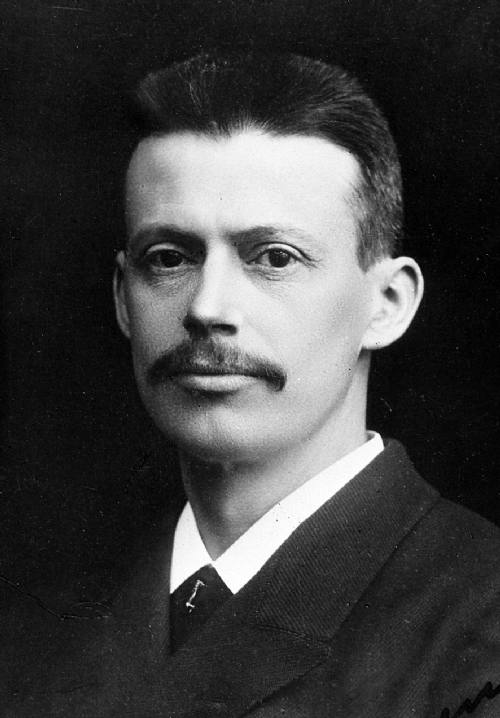
Key people
- Niels Ryberg Finsen
- Danish physician; founder of the light institute in Copenhagen
Source
Niels Ryberg Finsen was born at Thorshavn in the Faroe Islands in 1860 and qualified in medicine at Copenhagen in 1890. From 1883, or earlier, he had the illness later identified as Pick's disease, a thickening of the membranes around the liver, heart and spleen. In 1893 he gave up his post as prosector of anatomy to have more time for research on the effects of light.
His first proposal, in July 1893, concerned smallpox. Patients were to be nursed in rooms where red glass or thick red cloth shut out the chemical rays of sunlight, the ultraviolet end of the spectrum. Finsen reported that their blisters then usually did not suppurate and healed with little or no scarring. In February 1894 Dr. Benckert at Gothenburg treated 16 patients this way. Three died, only one of them from the fever of suppuration, and Benckert reported that suppuration was usually prevented.
He then put the same rays to work. Light was known to kill bacteria, as Downes and Blunt had observed in 1877. In November 1895 Finsen began treating his first patient with lupus vulgaris, a tuberculosis of the skin that could eat away the nose, lips and cheeks over decades and had resisted every treatment. Sunlight, or more often the beam of a powerful electric arc lamp, passed through lenses that removed the heat rays and was focused on a small patch of skin pressed bloodless, for an hour at a time. The patch reddened and became inflamed, then healed to a surface almost like normal skin. Each part of the lesion had to be treated in turn, so the method was slow and expensive and needed constant supervision.
Patients came from far and near. The Finsen institute for light treatment opened in Copenhagen in 1896, paid for largely by private donors with help from the state and the city, and Finsen published his treatise on concentrated chemical light rays in medicine that year. By 1903 the institute had 8 doctors and 53 nurses. Its report on the first 800 lupus cases, treated up to November 1901, recorded the skin disease cured in half and treatment failing in about 5 per cent.
The Nobel Prize in Physiology or Medicine for 1903 went to Finsen for this work. On the day of the ceremony in Stockholm he was at home in a wheelchair, and he gave 50,000 crowns of the prize to the institute. In his last years fluid had to be drained from his abdomen 18 times. He died on 24 September 1904.
Keep exploring
 Read next · same disease or problem
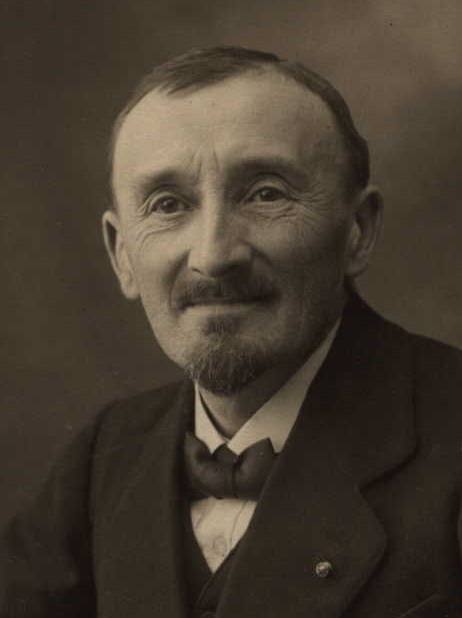
Radium and the first radiation treatments (1896)
Finsen treated lupus vulgaris with ultraviolet light, and in 1901 Paris physicians reported success against it with radium. That story shows the first radiation treatments and the burns suffered by early workers.
Read this moment
Read next · same disease or problem
Radium and the first radiation treatments (1896)
Finsen treated lupus vulgaris with ultraviolet light, and in 1901 Paris physicians reported success against it with radium. That story shows the first radiation treatments and the burns suffered by early workers.
Read this moment
 Today on The Clinical Times
Love to Dream recalls portable baby sound machine over fire and burn risk
Love to Dream has recalled its portable Sleep Machine because its lithium-ion battery can overheat while charging with an incompatible charger, creating a risk of fire and burns.
Read today’s top stories
Today on The Clinical Times
Love to Dream recalls portable baby sound machine over fire and burn risk
Love to Dream has recalled its portable Sleep Machine because its lithium-ion battery can overheat while charging with an incompatible charger, creating a risk of fire and burns.
Read today’s top stories
All 526 moments in the history of medicine. This one is in chapter 4, Germs, numbers and clean water
Connected moments
How this moment links to others in the history of medicine, and what you will find in each.
-
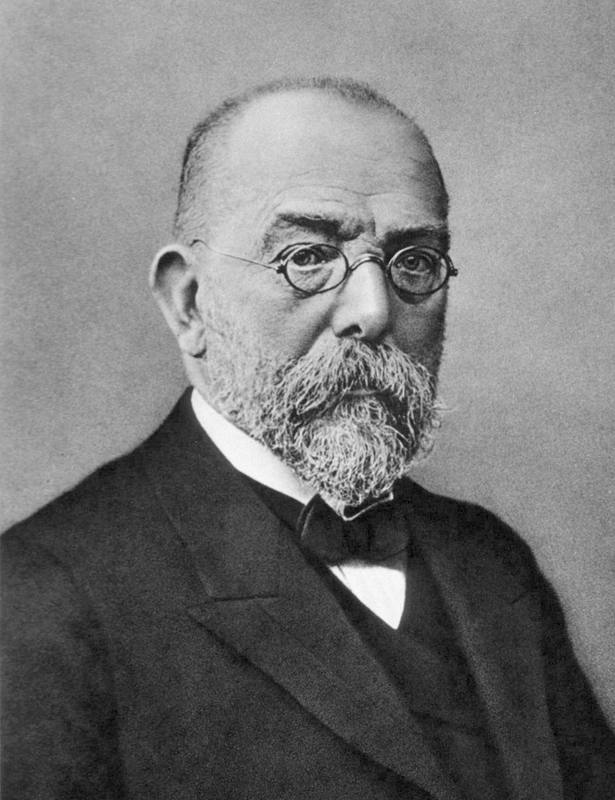 Same disease or problem1882Koch's Discovery of the Tubercle BacillusLupus vulgaris is tuberculosis of the skin, caused by the bacillus Koch identified in 1882. Koch's story shows the staining and culture methods that proved the cause of tuberculosis.Read this moment
-
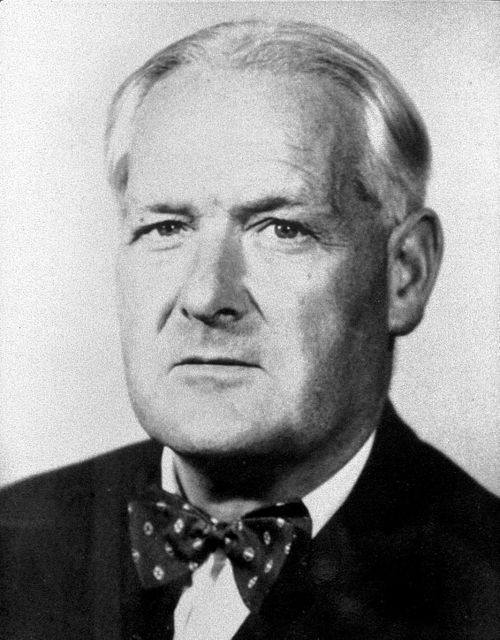 Same disease or problem1948MRC Streptomycin Trial for Pulmonary TuberculosisFinsen's light cured half his patients with skin tuberculosis slowly and at great cost, and streptomycin later attacked tuberculosis as a drug. The MRC trial shows streptomycin tested with random allocation in lung tuberculosis.Read this moment