Oncology
1896
Radium and the first radiation treatments
Within months of Roentgen's X-rays, doctors in 1896 were aiming the rays at tumors and skin disease, and after the Curies found radium in 1898 physicians used it on skin lesions from 1901. Early workers learned of the rays' dangers from their own burns.
Key people
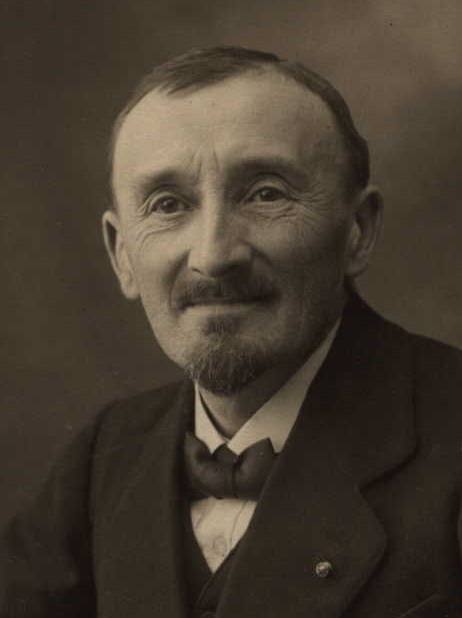
- Victor Despeignes
- Savoie country doctor who irradiated an abdominal tumor in July 1896
- Leopold Freund
- Vienna physician who began X-ray treatment of a hairy mole in 1896
- Marie Curie
- Named radium with Pierre Curie in 1898; isolated radium chloride in 1902
- Henri Danlos
- Paris physician who reported radium treatment of lupus in 1901
Source
Wilhelm Roentgen's X-rays burned the skin of the people who first worked with them, and within months doctors tried to turn that damage against disease. The Chicago physician Emil Grubbé later said that in January 1896 he had irradiated a patient's breast cancer; the attempt failed, and a 2016 review by the French radiation oncologist Jean-Marc Cosset treats his claim to be first as discounted.
Cosset and the radiobiologist Nicolas Foray give priority instead to Victor Despeignes, a country doctor at Les Échelles in Savoie, who irradiated a neighbor's abdominal tumor between 4 and 23 July 1896 and reported marked shrinkage. Foray has since argued that the patient did not in fact have stomach cancer. In Vienna on 24 November 1896, Leopold Freund began X-ray treatment of a five-year-old girl with a large hairy mole on her back, work that a 1998 history credits as the first scientific proof that X-rays act on living tissue.
Henri Becquerel found in 1896 that uranium salts give off rays of their own. Marie and Pierre Curie, searching pitchblende for the source of its strong activity, named a new element radium in 1898, and in 1902 they announced that they had isolated 0.1 gram of pure radium chloride from almost 3 tons of the ore.
Radium also burned. In 1900 Friedrich Walkoff reported that two 20-minute exposures of the arm had caused a skin inflammation that had already lasted two weeks, and Becquerel was burned by a tube of radium salt carried in his waistcoat pocket; he and Pierre Curie reported confirming work in 1901. That year the Paris physicians Henri Danlos and Paul Bloch, using radium sulfate lent by Pierre Curie, reported success against lupus vulgaris, a tuberculous disease of the skin. Radium was soon being used on skin cancers, especially basal cell carcinomas, and in 1904 John MacLeod of Charing Cross Hospital was designing applicators to place it against tumors in the throat and cervix.
Repeated exposure damaged the tissues of the early workers and sometimes gave them cancer. A monument in Hamburg to radiation martyrs carries 352 names, a list Cosset considers incomplete. Radium stayed in medical use until the 1980s, when isotopes made in nuclear reactors had largely replaced it.
Keep exploring
 Read next · built on
Roentgen's discovery of X-rays (1895)
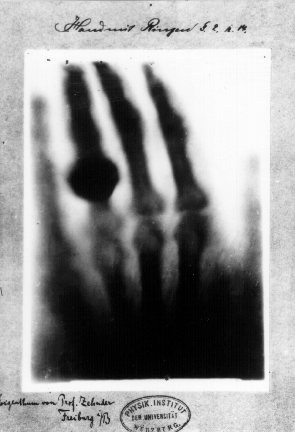
Within months of Roentgen's X rays, doctors were turning the rays' damage against tumors. Roentgen's story shows the radiation that passed through soft tissue but not bone.
Read this moment
Read next · built on
Roentgen's discovery of X-rays (1895)
Within months of Roentgen's X rays, doctors were turning the rays' damage against tumors. Roentgen's story shows the radiation that passed through soft tissue but not bone.
Read this moment
 Today on The Clinical Times
Love to Dream recalls portable baby sound machine over fire and burn risk
Love to Dream has recalled its portable Sleep Machine because its lithium-ion battery can overheat while charging with an incompatible charger, creating a risk of fire and burns.
Read today’s top stories
Today on The Clinical Times
Love to Dream recalls portable baby sound machine over fire and burn risk
Love to Dream has recalled its portable Sleep Machine because its lithium-ion battery can overheat while charging with an incompatible charger, creating a risk of fire and burns.
Read today’s top stories
All 526 moments in the history of medicine. This one is in chapter 4, Germs, numbers and clean water
Connected moments
How this moment links to others in the history of medicine, and what you will find in each.
-
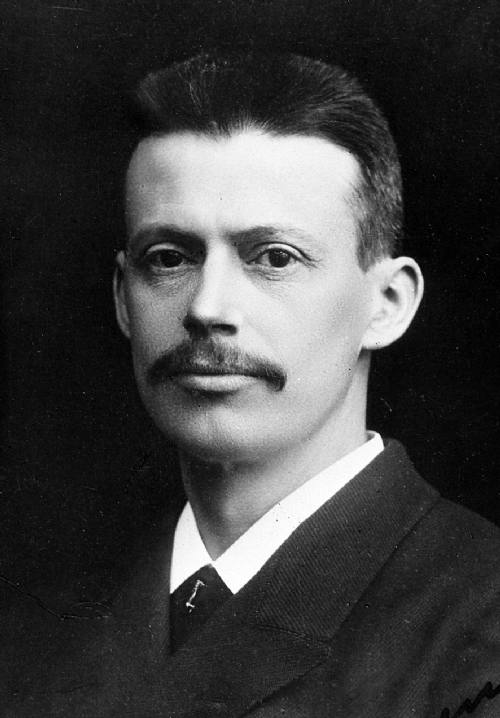 Same disease or problem1896Finsen's light treatment of lupus vulgarisRadium was used against lupus vulgaris in 1901, the skin tuberculosis Finsen was treating with ultraviolet light. Finsen's story shows the Copenhagen light institute and the Nobel Prize it earned.Read this moment
-
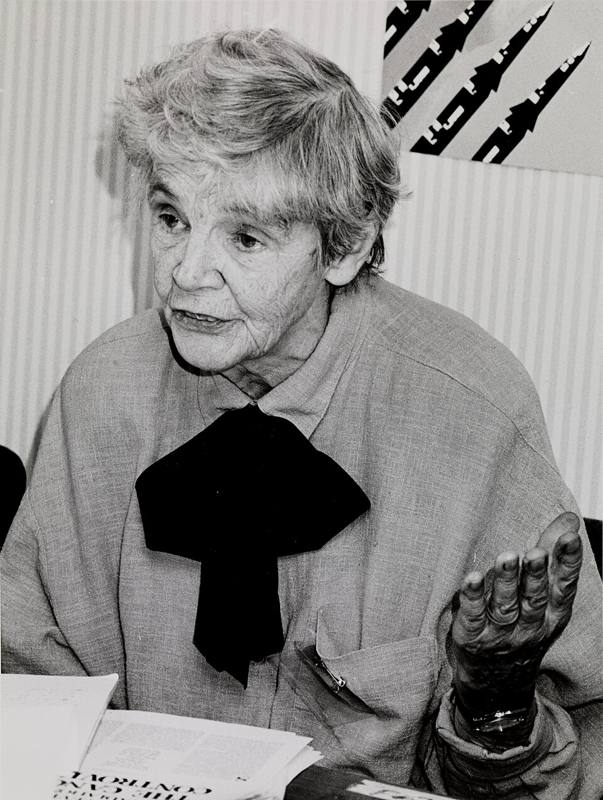 Same disease or problem1956Alice Stewart and prenatal X-raysEarly radiation workers learned the dangers from their own burns and cancers, and Alice Stewart later linked X rays in the womb to childhood cancer. Her story shows the disputed finding that cut antenatal X rays.Read this moment