Epidemiology
1956
Alice Stewart and prenatal X-rays
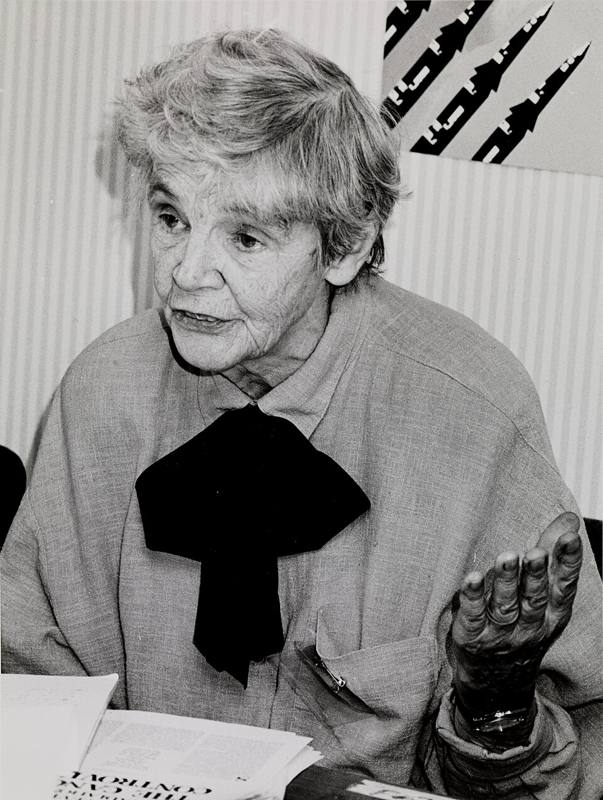
In 1956 Alice Stewart's Oxford Survey of Childhood Cancers reported that children who died of cancer had more often been X-rayed in the womb than matched healthy children. The finding, disputed for years, led in large part to reduced use of antenatal X-rays.
Key people
- Alice Stewart
- Founder of the Oxford Survey of Childhood Cancers
- Richard Doll
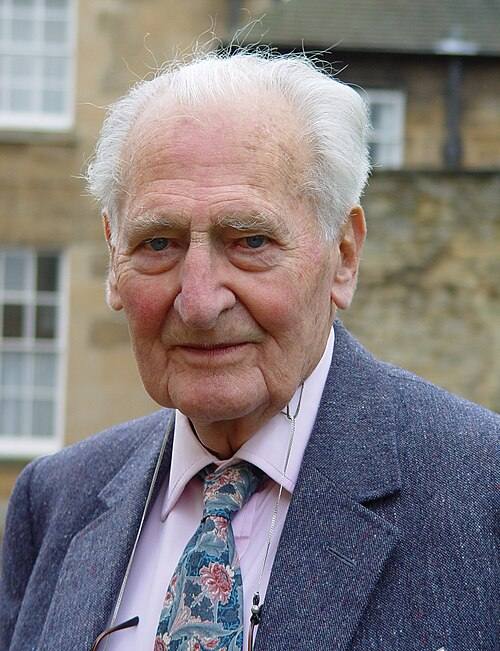
- Oxford epidemiologist who long disputed, then accepted, the X-ray association
Source
In the early 1950s childhood leukaemia seemed to be growing more common, possibly in part because antibiotics now cured infections such as pneumonia that had once masked an underlying tumor. Alice Stewart in Oxford set out to find its causes. The disease was so rare that following a group of children forward would have needed an impossibly large study, so she designed a case-control study on a national scale. She obtained the death certificates of the children dying of malignant disease in England and Wales, at first those under 10, and matched each with a healthy control child of the same sex and date of birth drawn from the birth register of the area where the child had died.
Two, and later three, years after each death, medical staff recruited from local authorities interviewed the mothers of both children, usually the same interviewer for each pair, and the mothers' answers were checked against hospital and clinic records. The first deaths studied were those of 1953. A preliminary communication in the Lancet in 1956 by Stewart, Webb, Giles and Hewitt reported a statistically significant excess of antenatal X-ray exposure among the first 547 case-control pairs. Stewart, Webb and Hewitt confirmed it in the British Medical Journal in 1958 with 1,416 traced, matched and interviewed cases who had died in 1953 to 1955.
Many doubted the result. Critics, among them Richard Doll, argued that mothers of dead children might recall hospital visits differently from control mothers, and a cohort study failed to confirm the association. Stewart defended her findings forcefully. When she reached retirement age in 1974 she took a research fellowship at Birmingham University, and the survey later moved there. It eventually covered deaths up to 1981 and older children, and later analyses showed the risk per X-ray film falling in later birth cohorts, most likely because equipment delivered lower doses.
Doll came to accept that the association was probably causal. Reviewing the survey in 2018, C. R. Muirhead wrote that its most notable result, the link between fetal irradiation and childhood cancer, led in large part to the reduced use of antenatal X-raying.
Keep exploring
 Read next · same person
Doll and Hill smoking and lung cancer case-control study (1950)
Richard Doll, who criticized Stewart's study, had used the same case control method to tie smoking to lung cancer. That study shows the method becoming a standard tool.
Read this moment
Read next · same person
Doll and Hill smoking and lung cancer case-control study (1950)
Richard Doll, who criticized Stewart's study, had used the same case control method to tie smoking to lung cancer. That study shows the method becoming a standard tool.
Read this moment
 Today on The Clinical Times
Love to Dream recalls portable baby sound machine over fire and burn risk
Love to Dream has recalled its portable Sleep Machine because its lithium-ion battery can overheat while charging with an incompatible charger, creating a risk of fire and burns.
Read today’s top stories
Today on The Clinical Times
Love to Dream recalls portable baby sound machine over fire and burn risk
Love to Dream has recalled its portable Sleep Machine because its lithium-ion battery can overheat while charging with an incompatible charger, creating a risk of fire and burns.
Read today’s top stories
All 526 moments in the history of medicine. This one is in chapter 5, Cures and codes
Connected moments
How this moment links to others in the history of medicine, and what you will find in each.
-
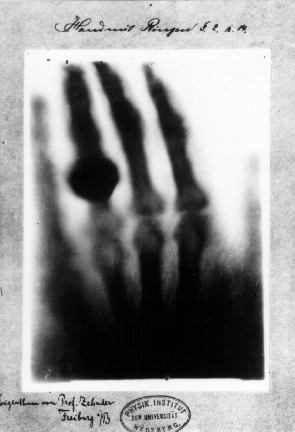 Same disease or problem1895Roentgen's discovery of X-raysStewart linked X rays in the womb to childhood cancer, a hazard no one understood when Roentgen found the rays. His story shows the discovery that began diagnostic radiology.Read this moment
-
 Same disease or problem1986Chernobyl and childhood thyroid cancerBoth tied childhood cancer to radiation, Stewart for X rays before birth and Chernobyl for radioactive iodine in milk. The Chernobyl story shows thyroid cancer rising among those exposed young.Read this moment