Epidemiology
1986
Chernobyl and childhood thyroid cancer
The 1986 Chernobyl reactor accident released radioactive iodine that reached children through milk. From about 1990 thyroid cancer rose sharply among those exposed young in Belarus, Ukraine and Russia, the clearest cancer effect of the accident, with about 20,000 cases registered by 2015.
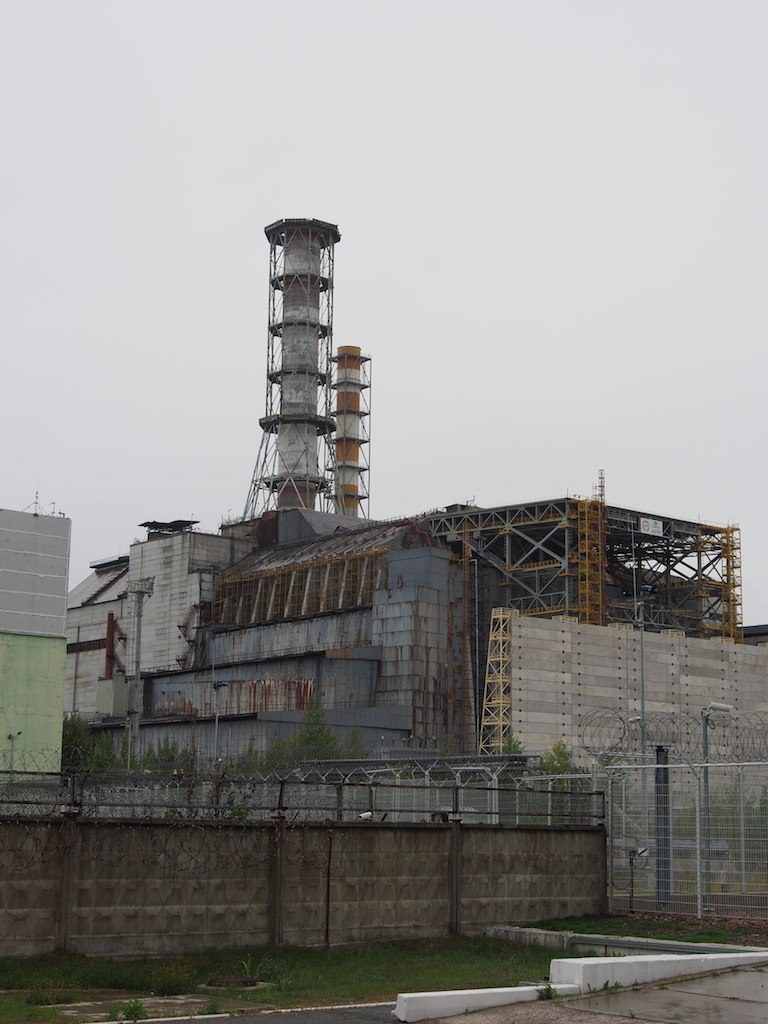
On 26 April 1986 an explosion and fires destroyed a reactor at the Chernobyl nuclear power plant in Ukraine, then part of the Soviet Union, causing the largest uncontrolled radioactive release in the history of civil nuclear power. Of 600 workers on the site that morning, 134 received doses of 0.8 to 16 gray and developed radiation sickness; 28 of them died within three months. About 115,000 people were evacuated in 1986 and about 220,000 more were relocated later.
The radionuclides that exposed people were mainly iodine-131, caesium-134 and caesium-137. Iodine-131 has a half-life of only eight days, but it passed quickly from the air into milk and leafy vegetables, and iodine collects in the thyroid. Because of the milk they drank, the small size of their thyroid glands and their metabolism, infants and children received higher thyroid doses than adults.
Before the accident, thyroid cancer in children under 10 occurred at about two to four cases per million a year. From 1990 and 1991 the rate rose steeply among people who had been infants or young children in 1986. Between 1991 and 2005 there were 6,848 cases among those under 18 at the time of the accident, 15 of them fatal. Children born after 1986 showed no increase. Case-control and cohort studies tied the excess to the estimated radiation dose to each child's thyroid, mostly from radioiodine.
By 2015 the number of cases among those under 18 in 1986 in Belarus, Ukraine and the four most contaminated Russian regions approached 20,000. Not all were caused by radiation: the population was ageing, awareness was higher and diagnosis had improved. The United Nations Scientific Committee on the Effects of Atomic Radiation estimated in 2018 that about a quarter of the cases among non-evacuated residents exposed as children could be attributed to radiation, with an uncertainty range of at least 7 to 50 percent. Apart from thyroid cancer, and some indication of more leukemia and cataracts among the workers, the committee found no clearly demonstrated rise in solid cancers or leukemia due to radiation in the exposed populations.
Keep exploring
 Read next · same disease or problem
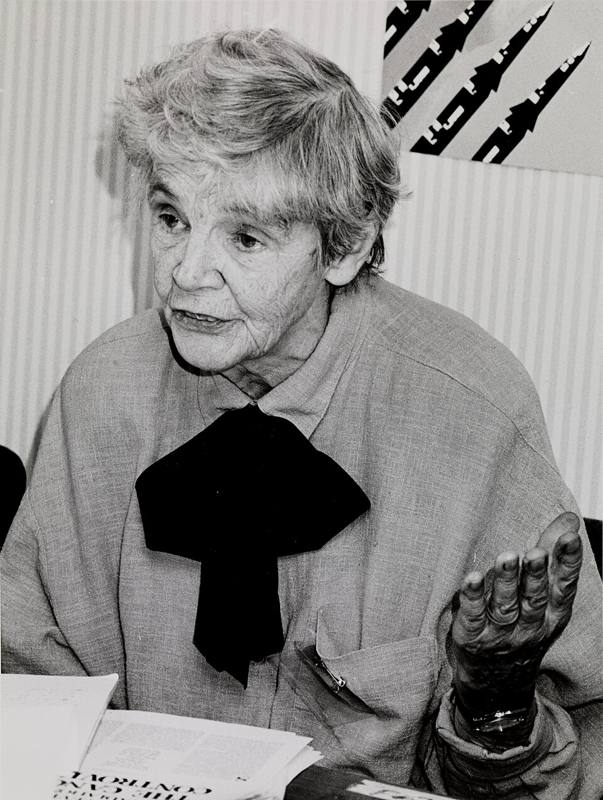
Alice Stewart and prenatal X-rays (1956)
Both tied radiation exposure early in life to cancer in children. Stewart's entry shows her survey linking X-rays in the womb to childhood cancer, a finding disputed for years.
Read this moment
Read next · same disease or problem
Alice Stewart and prenatal X-rays (1956)
Both tied radiation exposure early in life to cancer in children. Stewart's entry shows her survey linking X-rays in the womb to childhood cancer, a finding disputed for years.
Read this moment
 Today on The Clinical Times
Love to Dream recalls portable baby sound machine over fire and burn risk
Love to Dream has recalled its portable Sleep Machine because its lithium-ion battery can overheat while charging with an incompatible charger, creating a risk of fire and burns.
Read today’s top stories
Today on The Clinical Times
Love to Dream recalls portable baby sound machine over fire and burn risk
Love to Dream has recalled its portable Sleep Machine because its lithium-ion battery can overheat while charging with an incompatible charger, creating a risk of fire and burns.
Read today’s top stories
All 526 moments in the history of medicine. This one is in chapter 6, Trials, scanners and rights
Connected moments
How this moment links to others in the history of medicine, and what you will find in each.
- Same disease or problem1924Iodized salt and the prevention of goiterBoth turn on the thyroid gathering iodine, which prevented goiter when added to salt and caused cancer when radioactive fallout reached milk. The iodized salt entry shows goiter falling around the Great Lakes.Read this moment
-
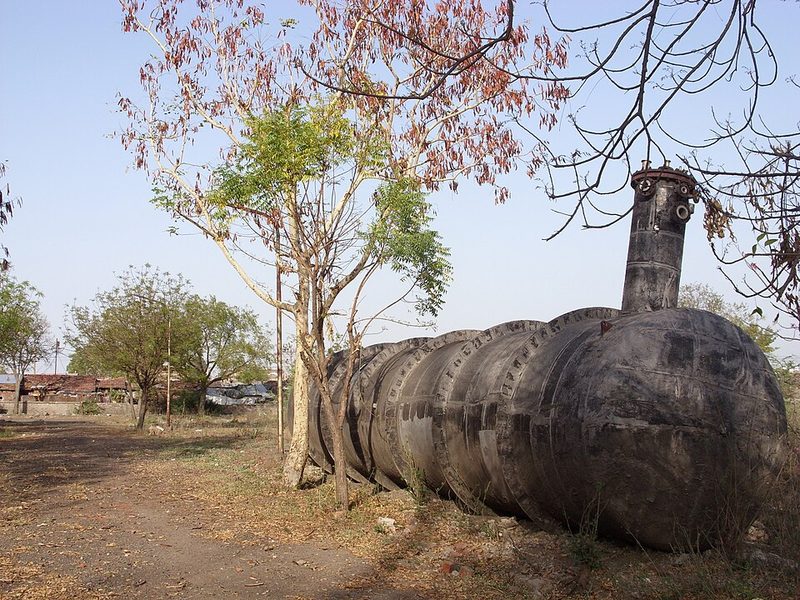 Same disease or problem1984The Bhopal gas disasterTwo years apart, both industrial disasters exposed huge populations and were followed by long-term health studies. The Bhopal entry shows the pesticide plant gas leak and the 80,000 residents followed for decades.Read this moment