Public Health
1984
The Bhopal gas disaster
On the night of 2 to 3 December 1984 methyl isocyanate gas escaped from a pesticide plant in Bhopal, India, over a sleeping city. Thousands died within days, hundreds of thousands were exposed, and survivors were followed in long-term cohort studies.
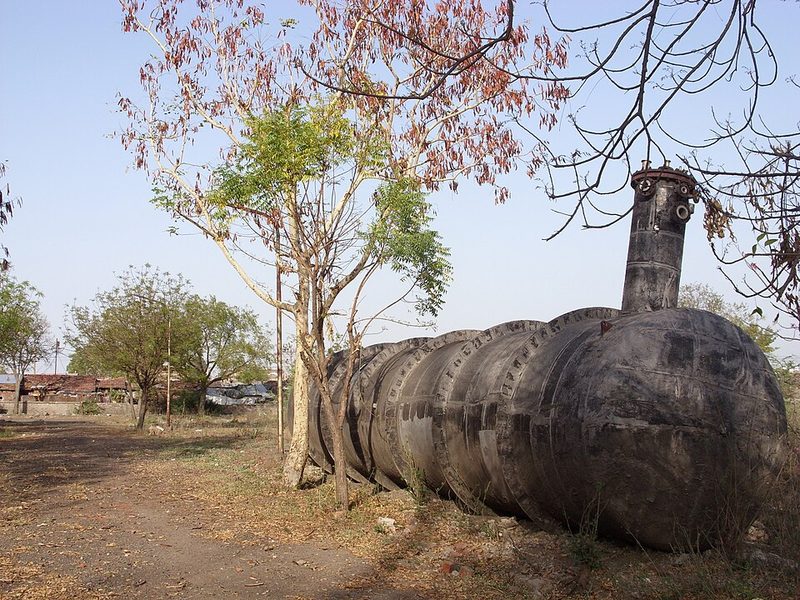
Union Carbide India Limited, a subsidiary of Union Carbide Corporation in which the Indian government held a 22 percent stake, made the pesticide Sevin at a plant in Bhopal, a city of about one million in Madhya Pradesh. Methyl isocyanate was stored at the plant in tanks. By 1984 the plant was running at a quarter of capacity, and in July managers were told to close it and prepare it for sale.
At about 11 p.m. on 2 December 1984 an operator noticed a small leak and rising pressure in a methyl isocyanate storage tank, number 610. Water had apparently entered the tank, which held about 40 tons of the chemical, and set off a reaction that built up heat and pressure. The vent-gas scrubber had been turned off three weeks earlier, the refrigeration unit meant to cool the tank had been drained of coolant, and the flare system had been out of action for three months. Around 1 a.m. a safety valve gave way. One estimate put the escape at about 27 tons over one to two hours. A temperature inversion and low wind kept the gas close to the ground as it drifted through neighborhoods near the plant.
Hospitals were quickly overwhelmed, and doctors did not know exactly what gas they were treating or its effects. Counts of the dead differ widely. Published estimates of immediate deaths range from about 2,000 to 3,800, and some estimates of deaths in the first few days reach 10,000. The Madhya Pradesh relief department later reported more than 6,000 deaths among more than 200,000 people exposed, with about 50,000 suffering long-term effects. Damage to the eyes and lungs was the main lasting harm.
In 1985 the Indian Council of Medical Research registered 80,021 residents around the plant, graded by severity of exposure, and 15,931 unexposed controls, and followed them for decades. India's Bhopal Gas Leak Disaster Act of March 1985 made the government the victims' sole legal representative. In a settlement mediated by the Indian Supreme Court, Union Carbide accepted moral responsibility and agreed to pay $470 million as full and final compensation. By October 2003 awards had been made to 554,895 people for injuries and to 15,310 survivors of those killed. Union Carbide has blamed deliberate sabotage, a theory that numerous independent sources have disputed.
Keep exploring
 Read next · same disease or problem
Minamata disease (1956)
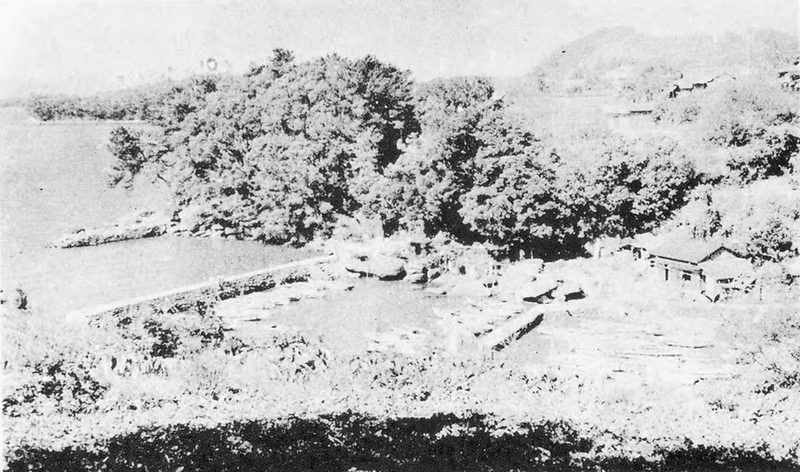
Both poisoned a community through a chemical plant, Minamata slowly through waste water and Bhopal overnight through a gas leak. The Minamata entry shows how long the government took to accept the cause.
Read this moment
Read next · same disease or problem
Minamata disease (1956)
Both poisoned a community through a chemical plant, Minamata slowly through waste water and Bhopal overnight through a gas leak. The Minamata entry shows how long the government took to accept the cause.
Read this moment
 Today on The Clinical Times
Love to Dream recalls portable baby sound machine over fire and burn risk
Love to Dream has recalled its portable Sleep Machine because its lithium-ion battery can overheat while charging with an incompatible charger, creating a risk of fire and burns.
Read today’s top stories
Today on The Clinical Times
Love to Dream recalls portable baby sound machine over fire and burn risk
Love to Dream has recalled its portable Sleep Machine because its lithium-ion battery can overheat while charging with an incompatible charger, creating a risk of fire and burns.
Read today’s top stories
All 526 moments in the history of medicine. This one is in chapter 6, Trials, scanners and rights
Connected moments
How this moment links to others in the history of medicine, and what you will find in each.
-
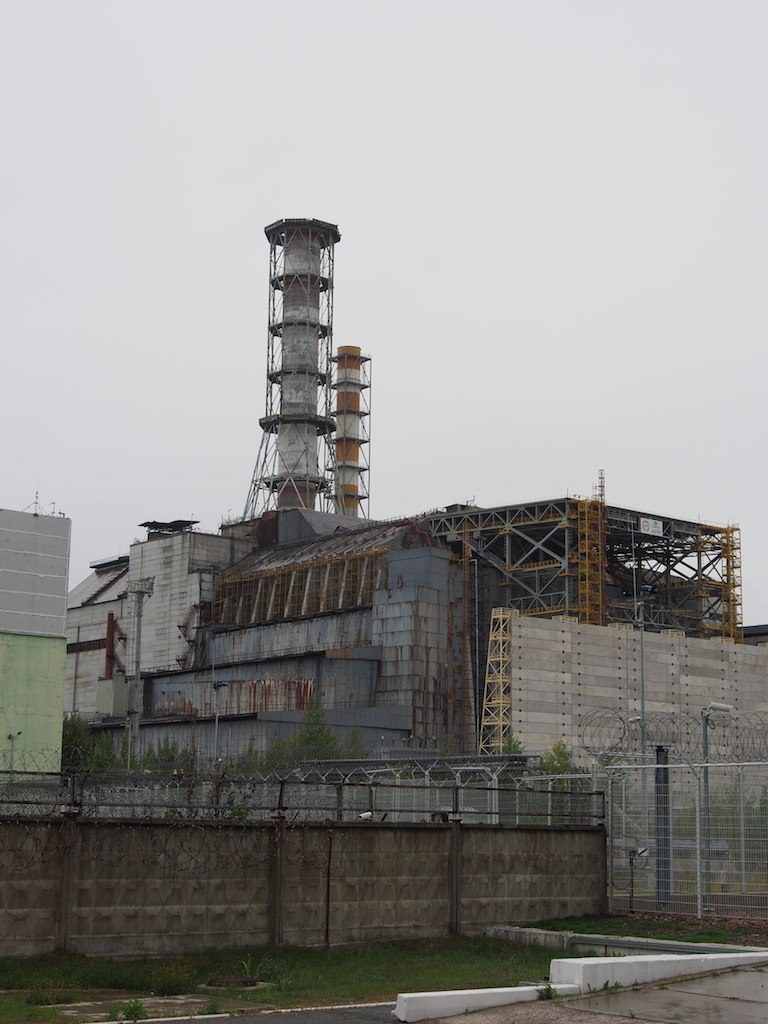 Same disease or problem1986Chernobyl and childhood thyroid cancerTwo years apart, both industrial disasters exposed huge populations and were followed by long-term health studies. The Chernobyl entry shows radioactive iodine reaching children through milk and thyroid cancer rising years later.Read this moment
-
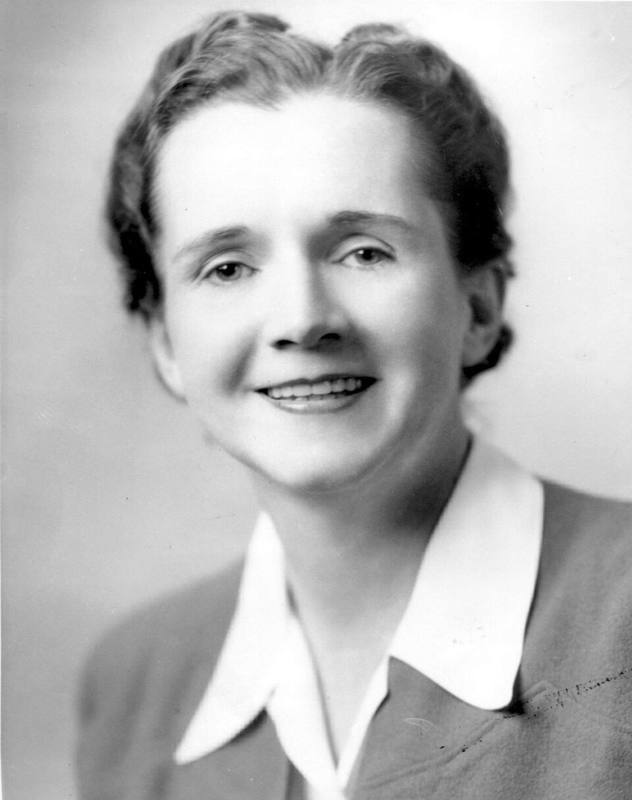 Same disease or problem1962Rachel Carson's Silent SpringBhopal was a pesticide plant, and Carson had warned of the harm pesticides do to people. Her entry shows the book whose pressure led to the cancellation of DDT in 1972.Read this moment