Epidemiology
1956
Minamata disease
A cluster of severe neurological illness around Minamata Bay, reported in May 1956, was traced to methylmercury in fish and shellfish, discharged in waste water from the Chisso chemical plant. Japan's government accepted that cause only in 1968.
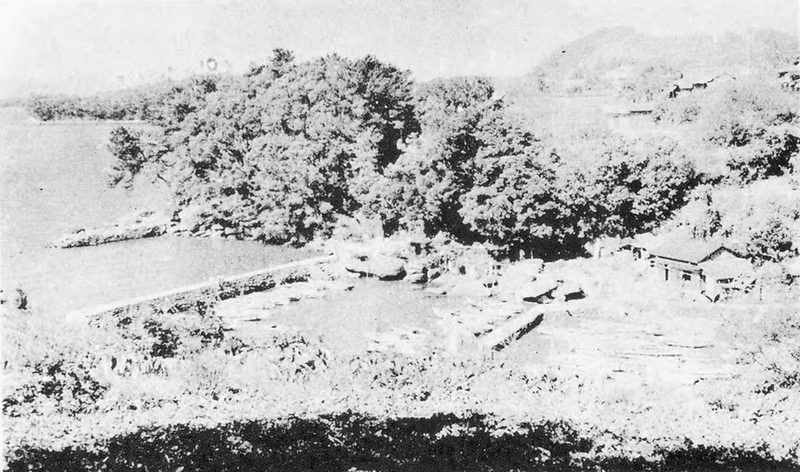
In April 1956 a young girl from the Tsukinoura district of Minamata, a city on the Yatsushiro Sea coast of Kumamoto Prefecture, was admitted to the Chisso Minamata Plant hospital with numb limbs, unable to speak or eat. The director, Dr Hosokawa, reported a serious brain disorder of unknown cause to the Minamata Health Centre on 1 May, the date Japan treats as the official acknowledgement of the disease. People in the district complained of numb or shaking limbs, narrowing vision, poor hearing and unsteady movement.
Kumamoto University led the investigation, and in November 1956 it reported a heavy metal poisoning carried by fish and shellfish. In August 1957 the Minamata fishermen's cooperative stopped fishing in the bay on the prefecture's guidance. When the prefecture proposed a total ban under the Food Sanitation Act, the Ministry of Health and Welfare replied that it could not be enforced, because there was no clear evidence that all fish and shellfish in a set area were contaminated. In July 1959 the university's study team concluded that the cause was a mercury compound, most likely an organic one. That November a government council told the health minister the same, without naming a source.
Fish and shellfish from Minamata Bay held 5.61 to 35.7 parts per million of mercury, and hair from patients, their families and people along the coast reached 705 ppm, according to a 1995 review by M. Harada. Patients lost sensation in a glove-and-stocking pattern and had ataxia, slurred speech, narrowed visual fields, hearing loss and tremor. Babies were poisoned in the womb when their mothers ate contaminated seafood. In 1965 new patients appeared along the Agano River in Niigata Prefecture.
Chisso stopped making acetaldehyde at Minamata in May 1968. That September the government stated its view: the disease was methylmercury poisoning, the methylmercury a by-product of acetaldehyde manufacture at Chisso and at Showa Denko upstream on the Agano, discharged in factory effluent and concentrated in fish and shellfish. Courts found for patients against Showa Denko in 1971 and against Chisso in 1973, and Chisso signed a compensation agreement with patients in July 1973. By the end of May 2013, 2,977 people had been certified as patients in Kumamoto, Kagoshima and Niigata prefectures. The global mercury treaty negotiated from 2010 was named the Minamata Convention on Mercury at Japan's proposal.
Keep exploring
 Read next · same disease or problem
The Bhopal gas disaster (1984)
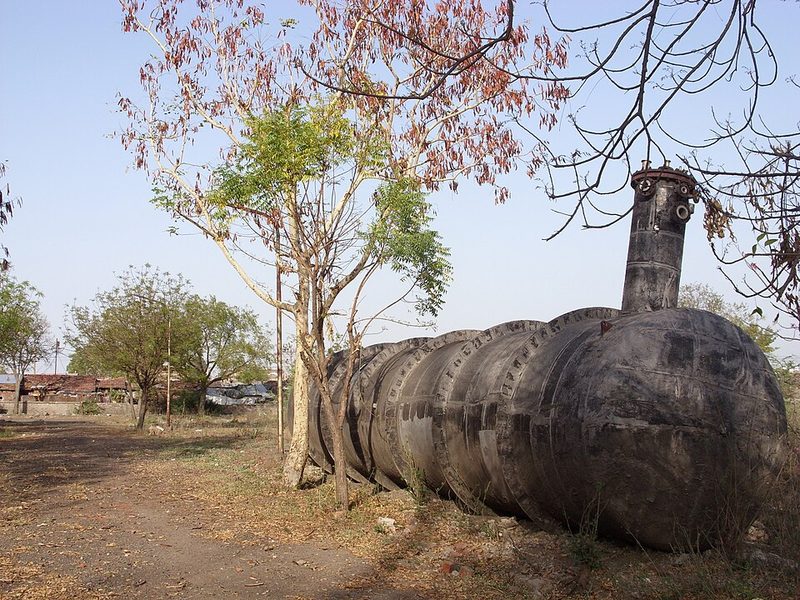
Both poisoned a whole community through a chemical plant, one by slow waste discharge and one by a sudden gas leak. Bhopal shows the night methyl isocyanate escaped over a sleeping city, and the survivors followed for years.
Read this moment
Read next · same disease or problem
The Bhopal gas disaster (1984)
Both poisoned a whole community through a chemical plant, one by slow waste discharge and one by a sudden gas leak. Bhopal shows the night methyl isocyanate escaped over a sleeping city, and the survivors followed for years.
Read this moment
 Today on The Clinical Times
Love to Dream recalls portable baby sound machine over fire and burn risk
Love to Dream has recalled its portable Sleep Machine because its lithium-ion battery can overheat while charging with an incompatible charger, creating a risk of fire and burns.
Read today’s top stories
Today on The Clinical Times
Love to Dream recalls portable baby sound machine over fire and burn risk
Love to Dream has recalled its portable Sleep Machine because its lithium-ion battery can overheat while charging with an incompatible charger, creating a risk of fire and burns.
Read today’s top stories
All 526 moments in the history of medicine. This one is in chapter 5, Cures and codes
Connected moments
How this moment links to others in the history of medicine, and what you will find in each.
-
 Same disease or problem2014The Flint water crisisBoth poisoned residents with a toxic metal, mercury through fish at Minamata and lead through tap water in Flint. The Flint story shows how one change of water supply doubled lead levels in young children.Read this moment
-
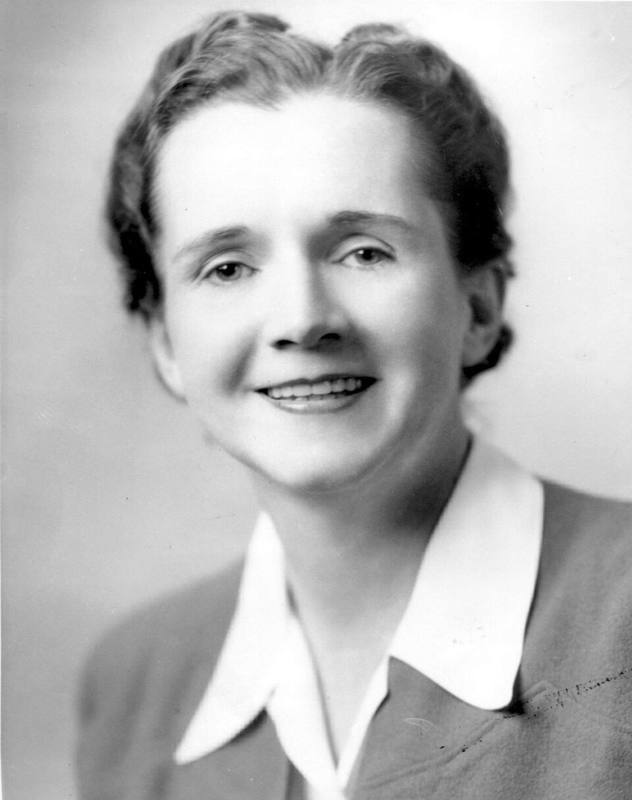 Same disease or problem1962Rachel Carson's Silent SpringBoth exposed industrial chemicals moving through nature into people's bodies. Carson's book traces how pesticides such as DDT harmed wildlife and health, and how public pressure ended DDT's registration in 1972.Read this moment
-
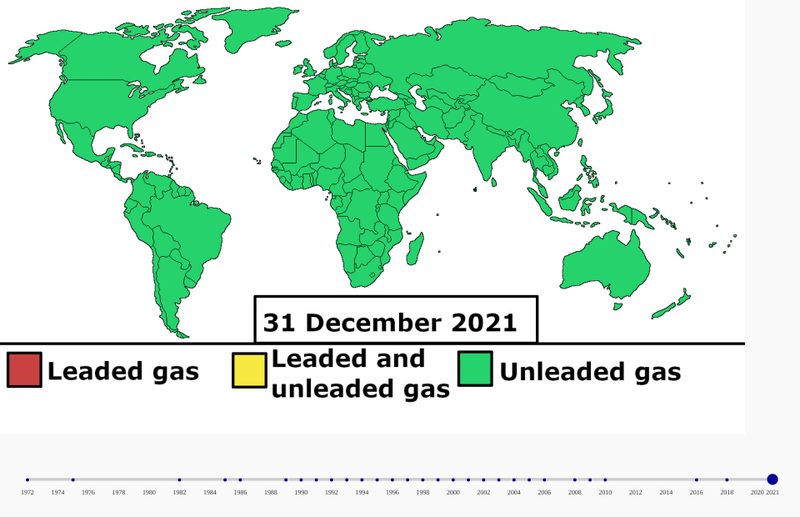 Same disease or problem1973Phasing lead out of gasolineBoth concerned a toxic metal that industry released into the environment. The lead phaseout shows a hopeful ending, as regulation removed lead from gasoline and average blood lead fell 78 percent.Read this moment