Public Health
1962
Rachel Carson's Silent Spring
Rachel Carson's book documented the harm done by the indiscriminate use of DDT and other pesticides to wildlife and human health. It prompted a presidential science review and congressional hearings, and fed the pressure that led to the 1972 cancellation of DDT.
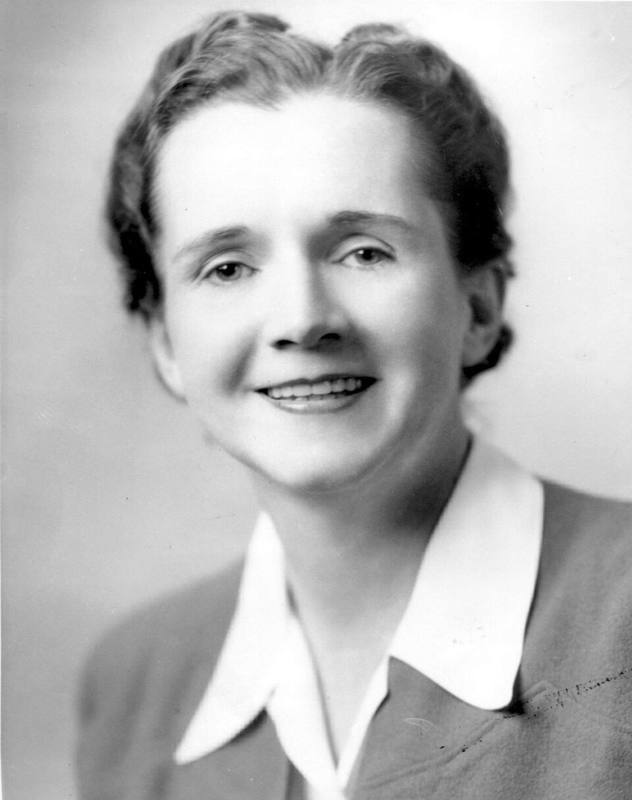
Key people
- Rachel Carson
- Biologist and writer; author of Silent Spring
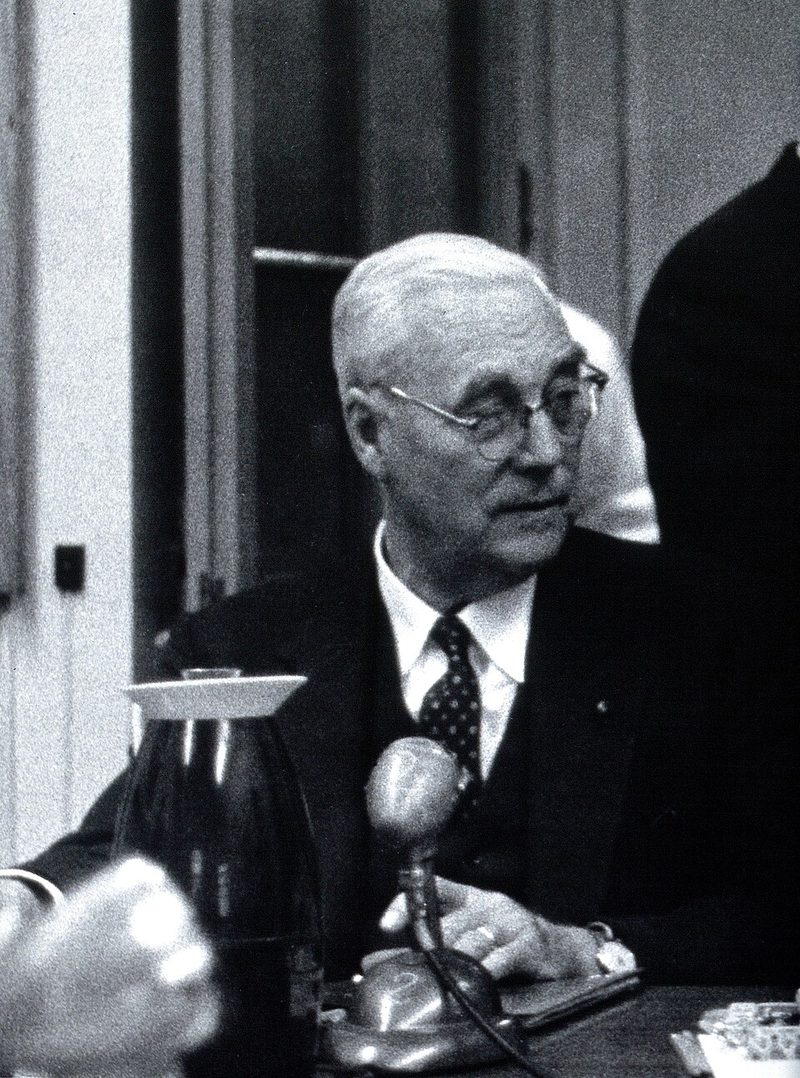
- Abraham Ribicoff
- Connecticut senator who called the 1963 hearings at which Carson testified
Source
Carson R. Silent Spring. Boston: Houghton Mifflin, 1962. (opens in a new tab)
After the Second World War the US Department of Agriculture and chemical companies promoted DDT and other powerful chemicals to raise domestic production and fight a range of ills. DDT was sold in aerial sprays and even in insecticidal paint and wallpaper, and US production rose from 4,366 tons in 1944 to a peak of 81,154 tons in 1963. Federal law, under the Insecticide Act of 1910 and the Federal Insecticide, Fungicide, and Rodenticide Act of 1947, mainly made sure that pesticides worked as claimed and were not fraudulent. A 1952 amendment set limits on residues in food but did not regulate use.
Rachel Carson, born in 1907 in Springdale, Pennsylvania, held a master's degree in zoology from Johns Hopkins. From 1936 to 1952 she worked as a field scientist and writer for the US Fish and Wildlife Service. Her book The Sea Around Us (1951) sold 250,000 copies in its first year and won the National Book Award.
Silent Spring appeared first as excerpts in The New Yorker and then as a book on 27 September 1962. It set out how the careless spraying of pesticides and other chemicals polluted streams, killed birds and other animals and caused serious illness in people. Public interest was enormous, and so was the criticism. In a review titled Silence, Miss Carson, published in Chemical & Engineering News on 1 October 1962, William Darby recommended that the book be ignored. President John Kennedy, disturbed by the New Yorker excerpts, asked the Life Sciences Panel of his Science Advisory Committee to examine her claims. Its report on 15 May 1963 backed her call for limits on pesticide use and more research into their health hazards.
Hearings on pollution and pesticide regulation, announced by Senator Abraham Ribicoff of Connecticut, began the next day, and Carson testified on 4 June 1963. Congress then amended the 1947 pesticide law to address safety in labeling. Carson died in 1964. The new Environmental Protection Agency took over pesticide regulation, and in 1972 it cancelled the registration of DDT, citing harm to wildlife and possible risks to human health. The Stockholm Convention on persistent organic pollutants later banned DDT except for limited use against the mosquitoes that carry malaria.
Keep exploring
 Read next · same disease or problem
The Global Malaria Eradication Programme (1955)
The malaria campaign sprayed DDT inside homes worldwide, the same chemical Carson showed harming wildlife and people. That entry shows how insecticide resistance and resurgences forced WHO to abandon eradication for control in 1969.
Read this moment
Read next · same disease or problem
The Global Malaria Eradication Programme (1955)
The malaria campaign sprayed DDT inside homes worldwide, the same chemical Carson showed harming wildlife and people. That entry shows how insecticide resistance and resurgences forced WHO to abandon eradication for control in 1969.
Read this moment
 Today on The Clinical Times
Love to Dream recalls portable baby sound machine over fire and burn risk
Love to Dream has recalled its portable Sleep Machine because its lithium-ion battery can overheat while charging with an incompatible charger, creating a risk of fire and burns.
Read today’s top stories
Today on The Clinical Times
Love to Dream recalls portable baby sound machine over fire and burn risk
Love to Dream has recalled its portable Sleep Machine because its lithium-ion battery can overheat while charging with an incompatible charger, creating a risk of fire and burns.
Read today’s top stories
All 526 moments in the history of medicine. This one is in chapter 6, Trials, scanners and rights
Connected moments
How this moment links to others in the history of medicine, and what you will find in each.
-
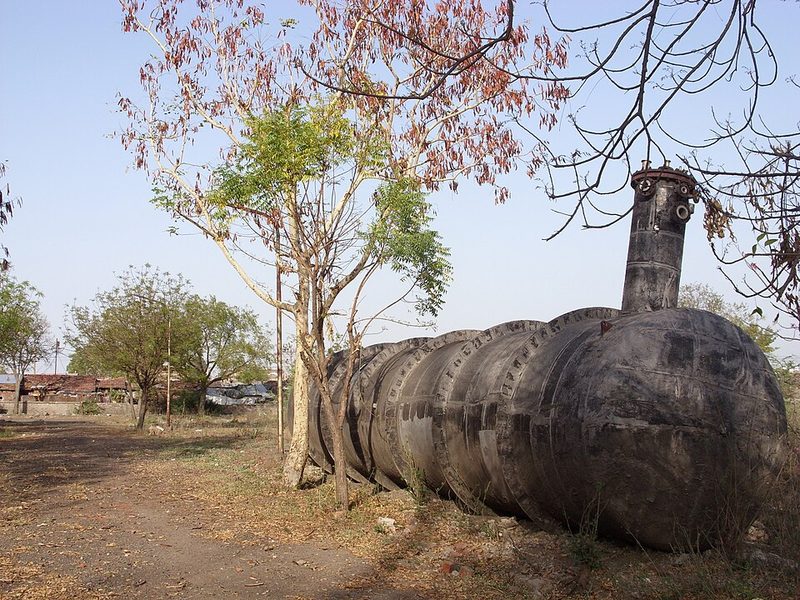 Same disease or problem1984The Bhopal gas disasterCarson warned about pesticides spreading through nature, and Bhopal was a pesticide plant disaster. That entry shows how methyl isocyanate escaped over a sleeping city, killing thousands within days.Read this moment
-
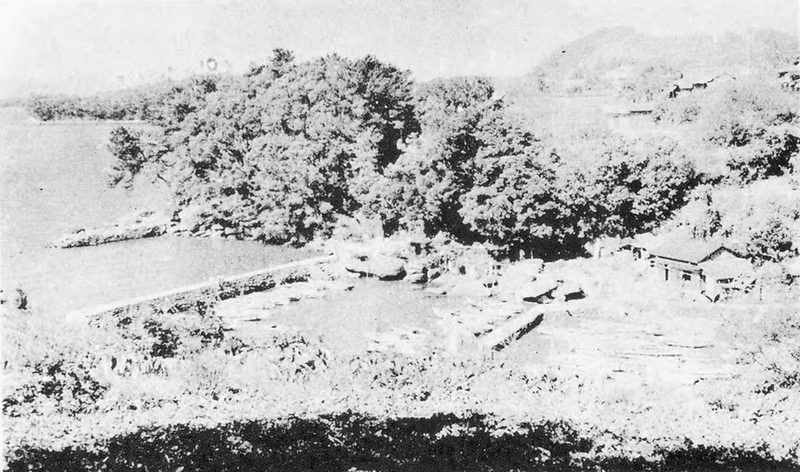 Same disease or problem1956Minamata diseaseBoth exposed industrial chemicals moving through nature into human bodies. Minamata shows how factory mercury concentrated in fish poisoned a coastal community, and how long the government took to admit the cause.Read this moment