Public Health
1955
The Global Malaria Eradication Programme
In 1955 the World Health Assembly launched a campaign to end malaria transmission worldwide, chiefly by spraying DDT inside homes. Malaria was eliminated from many temperate countries, but insecticide and drug resistance and resurgences led WHO to fall back on control in 1969.
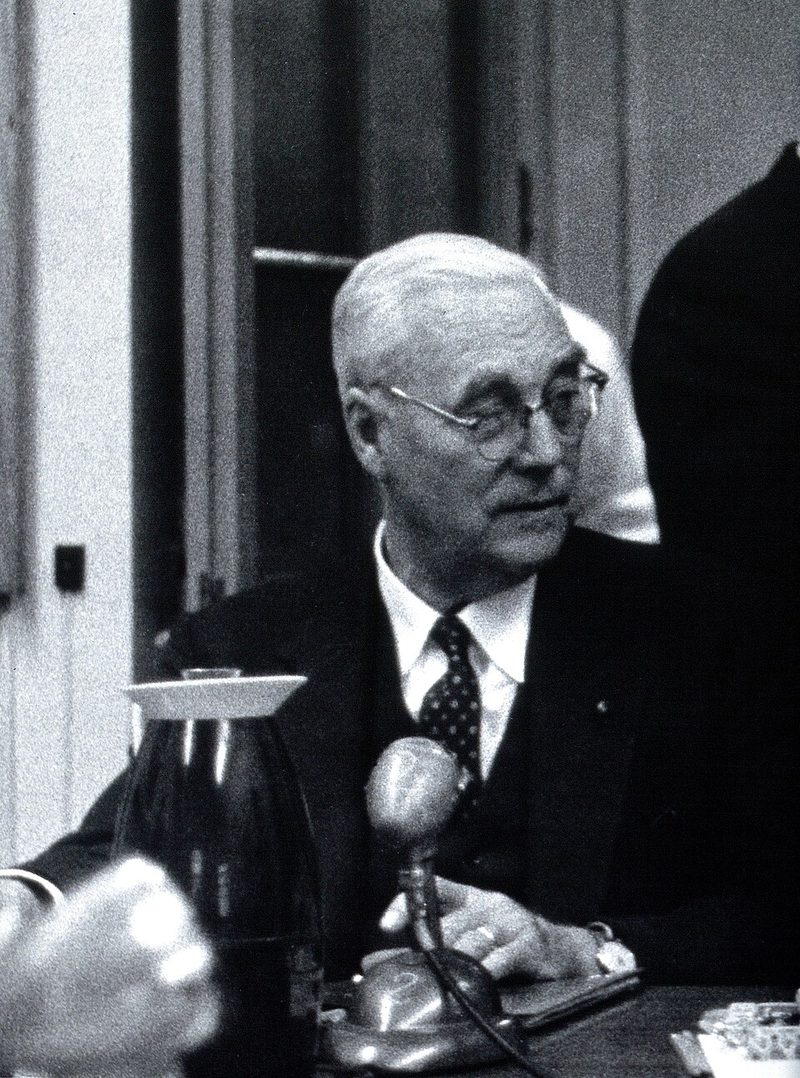
Key people
- Paul Russell
- Rockefeller malariologist who defended the eradication plan at the 1955 Assembly
Source
DDT, the first residual insecticide, arrived in the early 1940s, and the US Army was the first to use it against malaria during the Second World War. Spraying house walls with pyrethrum had worked but had to be repeated every week. DDT needed spraying only once or twice a year. In the United States, CDC and 13 southeastern states began a joint program on 1 July 1947, spraying the inside of rural homes. More than 4,650,000 houses had been treated by the end of 1949, and by 1951 malaria was considered eliminated from the country.
Resistance came fast. Mosquitoes resistant to DDT were first reported in Greece in 1951. Supporters of eradication argued that the world had to act before it lost its best weapon, and that ending malaria would cost less in the long run than controlling it forever. Paul Russell, a Rockefeller Foundation malariologist, defended the plan at the Eighth World Health Assembly in Mexico, which approved it in 1955 and set up a special account for contributions. Critics doubted that it could work in vast areas with poor communications and no public health services, and warned that people would lose their immunity if protection stopped. Nobody knew how to deal with tropical Africa.
The campaign ran in four phases, preparation, attack, consolidation and maintenance, built on house spraying, drug treatment and surveillance. Chloroquine resistance was confirmed in 1960 after treatment failures in Venezuela and Thailand. Only in the mid-1960s were problem areas recognized, after mosquitoes in southern Mexico were confirmed to avoid contact with the insecticide. Sri Lanka, then Ceylon, had been a model country for training malariologists; its surveillance missed four years of clear deterioration from 1963 to 1967, and an epidemic followed in 1968 and 1969.
That year, in resolution WHA22.39, the 22nd World Health Assembly accepted that eradication was not feasible in the short term in some countries and that control was an appropriate step, while keeping eradication as the long-term goal. By CDC's summary, malaria had been eliminated in temperate countries with seasonal transmission, India and Sri Lanka saw sharp falls followed by rises to substantial levels after efforts ceased, and most of sub-Saharan Africa had been left out altogether. UNICEF and other agencies withdrew their support in favour of general health programmes. WHO certified the United States free of malaria in 1970.
Keep exploring
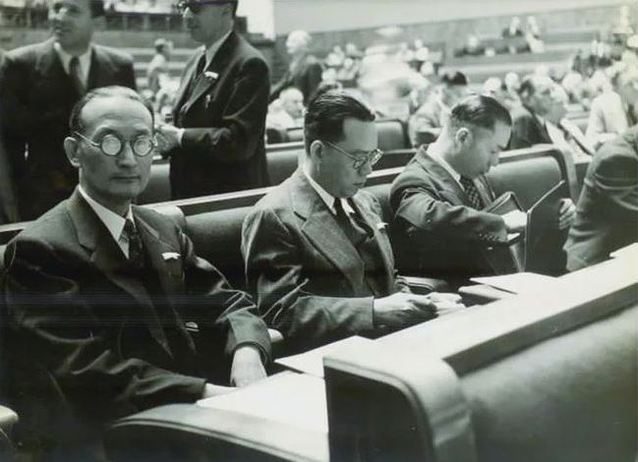 Read next · built on
Founding of the World Health Organization (1948)
The campaign was approved by the World Health Assembly, the governing body of the WHO founded in 1948. The WHO story shows the new agency defining health as complete well-being.
Read this moment
Read next · built on
Founding of the World Health Organization (1948)
The campaign was approved by the World Health Assembly, the governing body of the WHO founded in 1948. The WHO story shows the new agency defining health as complete well-being.
Read this moment
 Today on The Clinical Times
Love to Dream recalls portable baby sound machine over fire and burn risk
Love to Dream has recalled its portable Sleep Machine because its lithium-ion battery can overheat while charging with an incompatible charger, creating a risk of fire and burns.
Read today’s top stories
Today on The Clinical Times
Love to Dream recalls portable baby sound machine over fire and burn risk
Love to Dream has recalled its portable Sleep Machine because its lithium-ion battery can overheat while charging with an incompatible charger, creating a risk of fire and burns.
Read today’s top stories
All 526 moments in the history of medicine. This one is in chapter 5, Cures and codes
Connected moments
How this moment links to others in the history of medicine, and what you will find in each.
-
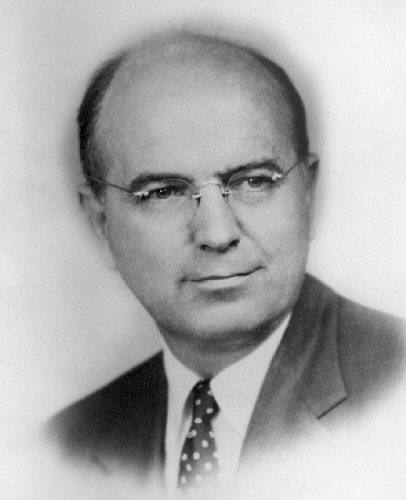 Built on1946Founding of the Communicable Disease CenterThe CDC's spraying program with southeastern states had eliminated malaria from the United States by 1951, the model for going global. The CDC story shows the agency born from wartime malaria control.Read this moment
-
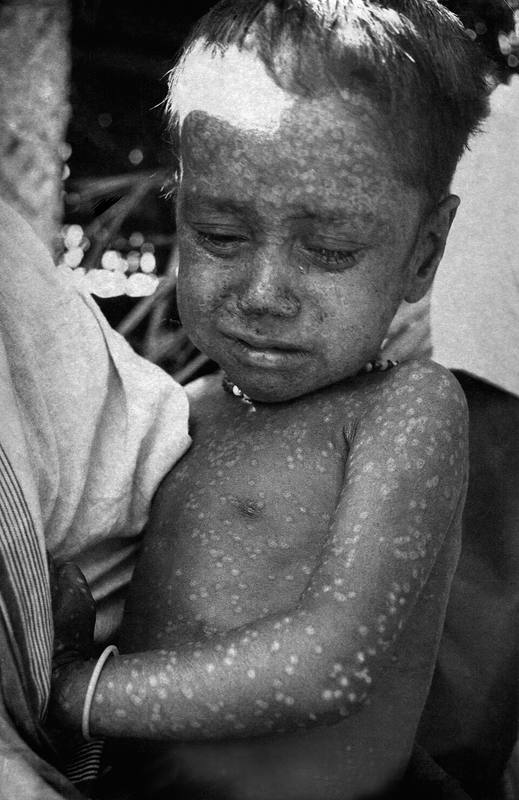 Same disease or problem1980Global Eradication of SmallpoxBoth were global eradication campaigns, but malaria's failed against resistance while smallpox's succeeded. The smallpox story shows surveillance and ring vaccination ending the disease.Read this moment
-
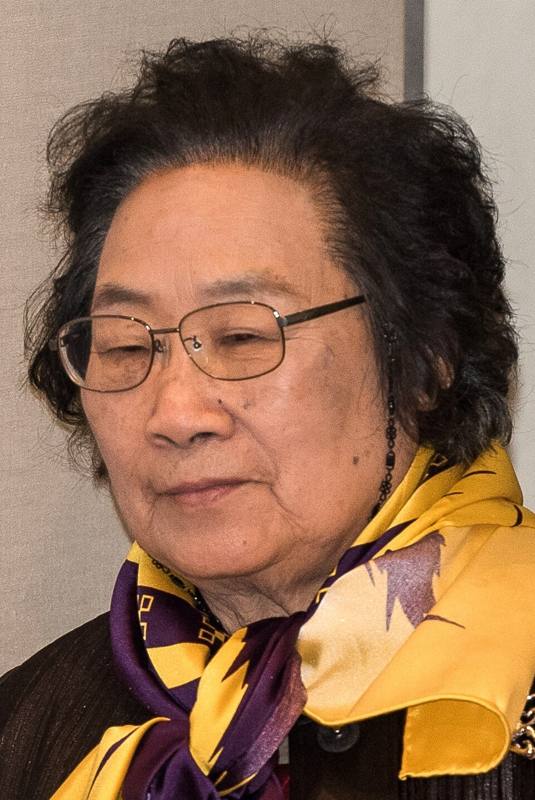 Same disease or problem1972Tu Youyou and artemisininChloroquine resistance, confirmed in 1960, helped defeat the eradication campaign, and China's search for a new drug found artemisinin. Tu Youyou's story shows that search.Read this moment