Public Health
1948
Founding of the World Health Organization
The constitution of the World Health Organization, signed in New York in July 1946, came into force on 7 April 1948. It created a United Nations agency for health and defined health as complete physical, mental and social well-being.
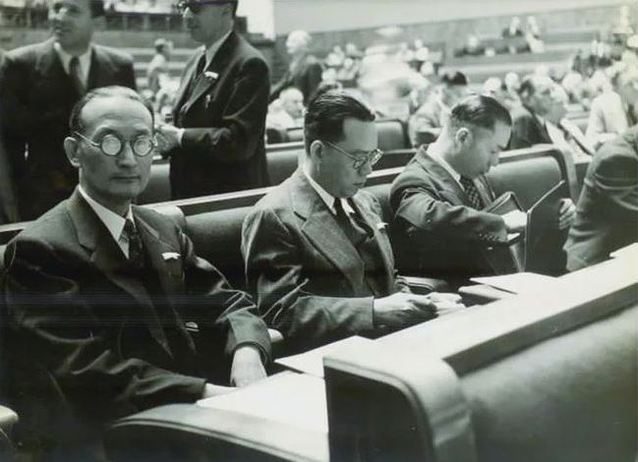
The proposal came from Brazil and China. At the 1945 conference in San Francisco that founded the United Nations, their delegates called for an international health organization, and an International Health Conference met in New York from 19 June to 22 July 1946 to write its constitution.
Representatives of 51 members of the United Nations and of 10 other nations signed the text on 22 July 1946. It could take effect only after 26 UN member states had ratified it, which took until 7 April 1948. The date is now kept each year as World Health Day.
The constitution opened with a broad definition. Health, it said, was a state of complete physical, mental and social well-being and not merely the absence of disease or infirmity. The New York conference also gave the organization's Interim Commission the job of preparing the next revision of the international lists of causes of death and of drawing up lists of causes of illness, the work that became the International Classification of Diseases.
The first World Health Assembly opened in Geneva on 24 June 1948, with delegations from 53 of the 55 member states. That year the assembly endorsed the report of the Sixth Revision Conference, held in Paris in April 1948, and adopted WHO Regulations No. 1 to guide member states in compiling mortality and morbidity statistics. The sixth revision extended the classification from causes of death to diseases and injuries in general, and brought in an international form of medical certificate of cause of death.
Keep exploring
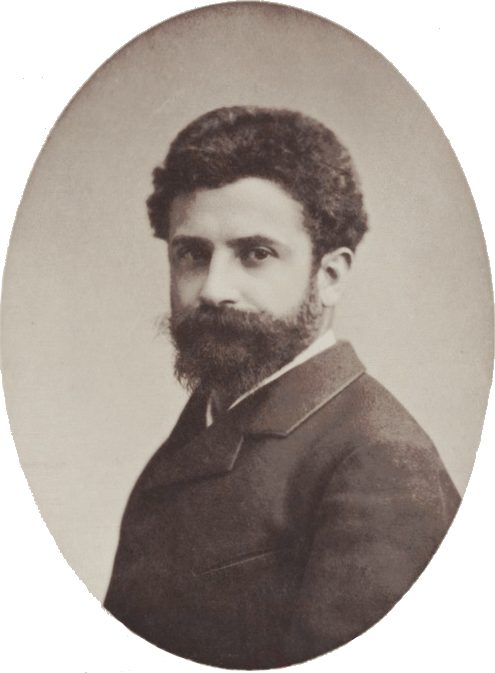 Read next · led to
ICD-6 and the classification of illness (1948)
WHO's Interim Commission prepared the next revision of the international list, adopted by the first World Health Assembly. The ICD 6 story shows the classification extended from causes of death to illness.
Read this moment
Read next · led to
ICD-6 and the classification of illness (1948)
WHO's Interim Commission prepared the next revision of the international list, adopted by the first World Health Assembly. The ICD 6 story shows the classification extended from causes of death to illness.
Read this moment
 Today on The Clinical Times
Love to Dream recalls portable baby sound machine over fire and burn risk
Love to Dream has recalled its portable Sleep Machine because its lithium-ion battery can overheat while charging with an incompatible charger, creating a risk of fire and burns.
Read today’s top stories
Today on The Clinical Times
Love to Dream recalls portable baby sound machine over fire and burn risk
Love to Dream has recalled its portable Sleep Machine because its lithium-ion battery can overheat while charging with an incompatible charger, creating a risk of fire and burns.
Read today’s top stories
All 526 moments in the history of medicine. This one is in chapter 5, Cures and codes
Connected moments
How this moment links to others in the history of medicine, and what you will find in each.
- Built on1851The first International Sanitary ConferenceThe Paris conference of 1851 began the series of international health meetings that came before WHO. That story shows nations first trying to agree common quarantine rules.Read this moment
-
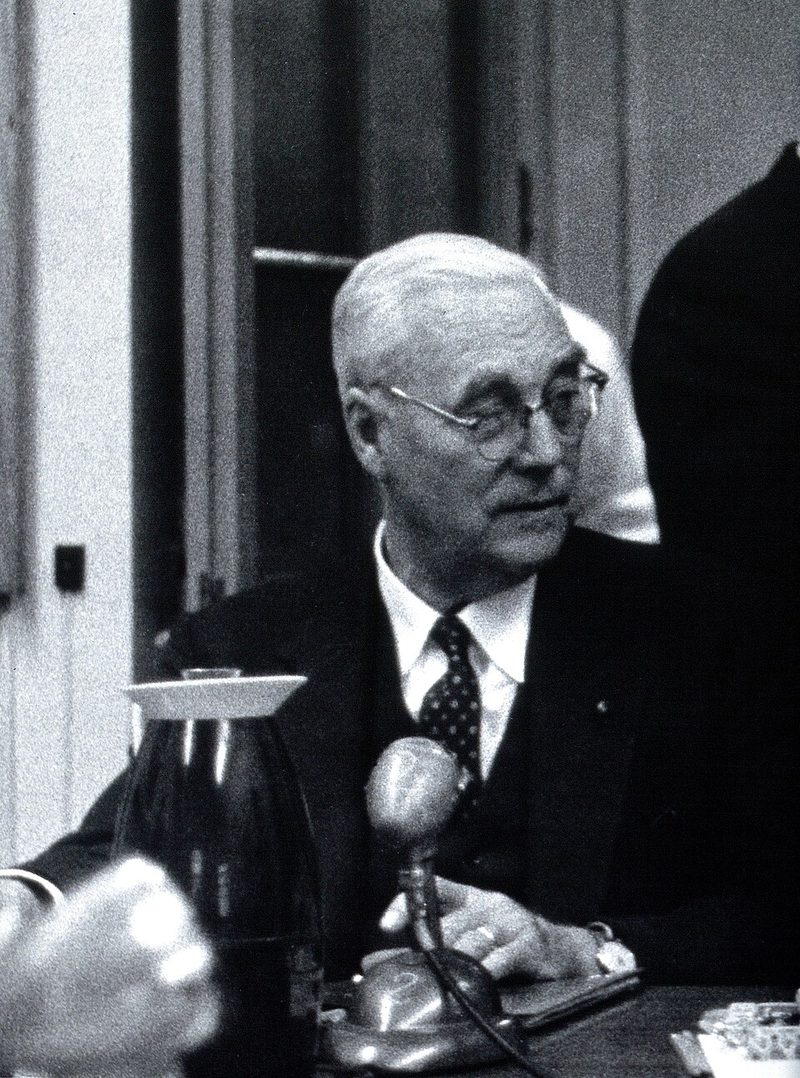 Led to1955The Global Malaria Eradication ProgrammeIn 1955 the World Health Assembly launched a campaign to end malaria transmission worldwide. That story shows DDT spraying succeed in temperate countries and fail against resistance elsewhere.Read this moment
-
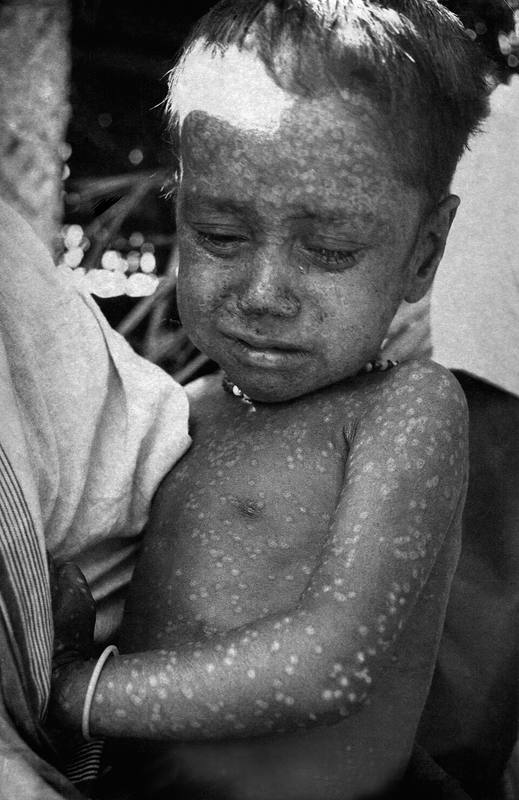 Led to1980Global Eradication of SmallpoxIn 1967 WHO launched its intensified smallpox eradication program, and in 1980 the World Health Assembly declared the disease gone. That story shows the only human disease ever eradicated.Read this moment