Epidemiology
1948
ICD-6 and the classification of illness
The Sixth Revision of the international list, adopted in Paris and by the First World Health Assembly in 1948, extended a classification of causes of death to illness as well. It also fixed the underlying cause of death as the one countries should count.
Key people
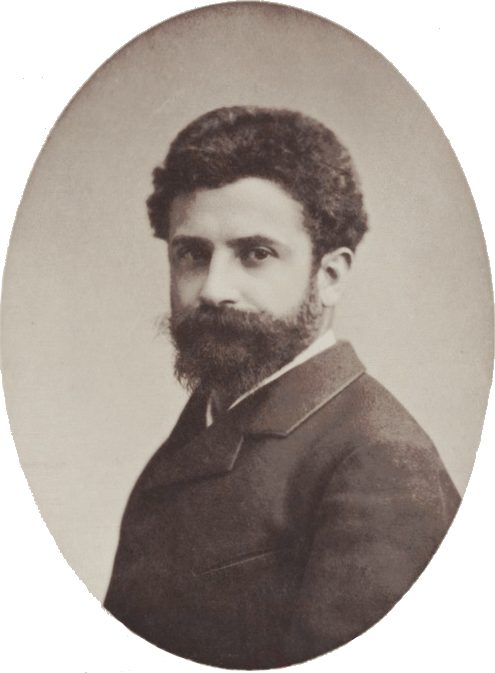
- Jacques Bertillon
- Paris statistician whose 1893 list of causes of death was adopted internationally
- Lowell J. Reed
- Chaired the U.S. Committee on Joint Causes of Death from 1945
- Halbert L. Dunn
- U.S. vital statistics chief whose plans shaped the Sixth Revision
Source
For half a century the international list counted only deaths. In 1893 Jacques Bertillon, chief of statistical services for the City of Paris, presented a classification of causes of death to the International Statistical Institute meeting in Chicago. It kept William Farr's principle of separating general diseases from those of a particular organ or site. Revision conferences called by the French government followed in 1900, 1909, 1920, 1929 and 1938.
Illness was another matter. Farr had wanted the same nomenclature applied to diseases that disable without killing, and at the 1860 International Statistical Congress in London Florence Nightingale urged his classification for hospital statistics. No international morbidity list took hold, so countries wrote their own: Canada's Standard Morbidity Code of 1936, a U.S. Public Health Service list of 1940, and a British Medical Research Council classification for hospital admissions in 1944.
In 1945 the U.S. Department of State formed the U.S. Committee on Joint Causes of Death, chaired by Lowell J. Reed of Johns Hopkins University, to decide how to pick one cause when a certificate named several and to build a morbidity classification. The 1946 International Health Conference in New York gave the preparatory work to the Interim Commission of the World Health Organization. Its expert committee revised the American proposal and sent it to governments for comment as the International Classification of Diseases, Injuries, and Causes of Death.
The Sixth Revision Conference met in Paris from 26 to 30 April 1948 and adopted the classification. It approved an international form of medical certificate of cause of death and made the underlying cause of death, chosen by set rules, the main cause to be tabulated. On 24 July 1948 the First World Health Assembly adopted the revision together with WHO Regulations No. 1, to take effect on 1 January 1950. Earlier lists had been taken up or ignored as countries chose; the regulations bound member states with the force of a treaty unless they entered a reservation. The Manual came in two volumes, the second an alphabetical index of diagnoses. The Seventh Revision followed in 1955.
Keep exploring
 Read next · built on
William Farr and national vital statistics (1839)
The international list began with William Farr's classification of causes of death. Farr's story shows how he counted causes of death for all of England and Wales.
Read this moment
Read next · built on
William Farr and national vital statistics (1839)
The international list began with William Farr's classification of causes of death. Farr's story shows how he counted causes of death for all of England and Wales.
Read this moment
 Today on The Clinical Times
Love to Dream recalls portable baby sound machine over fire and burn risk
Love to Dream has recalled its portable Sleep Machine because its lithium-ion battery can overheat while charging with an incompatible charger, creating a risk of fire and burns.
Read today’s top stories
Today on The Clinical Times
Love to Dream recalls portable baby sound machine over fire and burn risk
Love to Dream has recalled its portable Sleep Machine because its lithium-ion battery can overheat while charging with an incompatible charger, creating a risk of fire and burns.
Read today’s top stories
All 526 moments in the history of medicine. This one is in chapter 5, Cures and codes
Connected moments
How this moment links to others in the history of medicine, and what you will find in each.
-
 Same disease or problem1993Global Burden of Disease study and the DALYICD 6 fixed one international way to classify illness and death, and the Global Burden of Disease study used such counts to measure the toll of more than 100 conditions. It shows a new yardstick, the disability adjusted life year.Read this moment
-
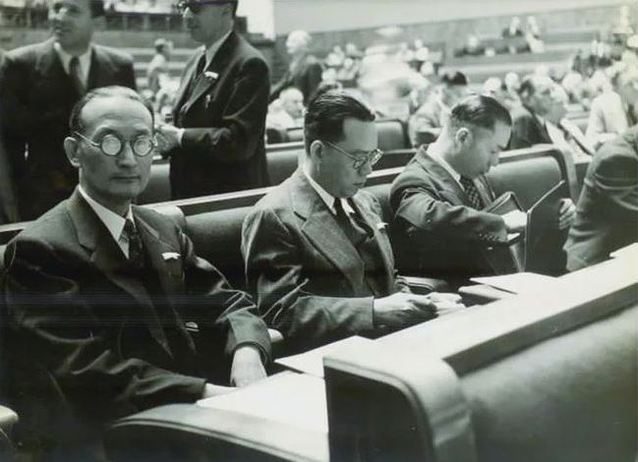 Built on1948Founding of the World Health OrganizationThe first World Health Assembly adopted ICD 6 and made its rules binding on members. The WHO story shows the new agency defining health as complete well-being.Read this moment
-
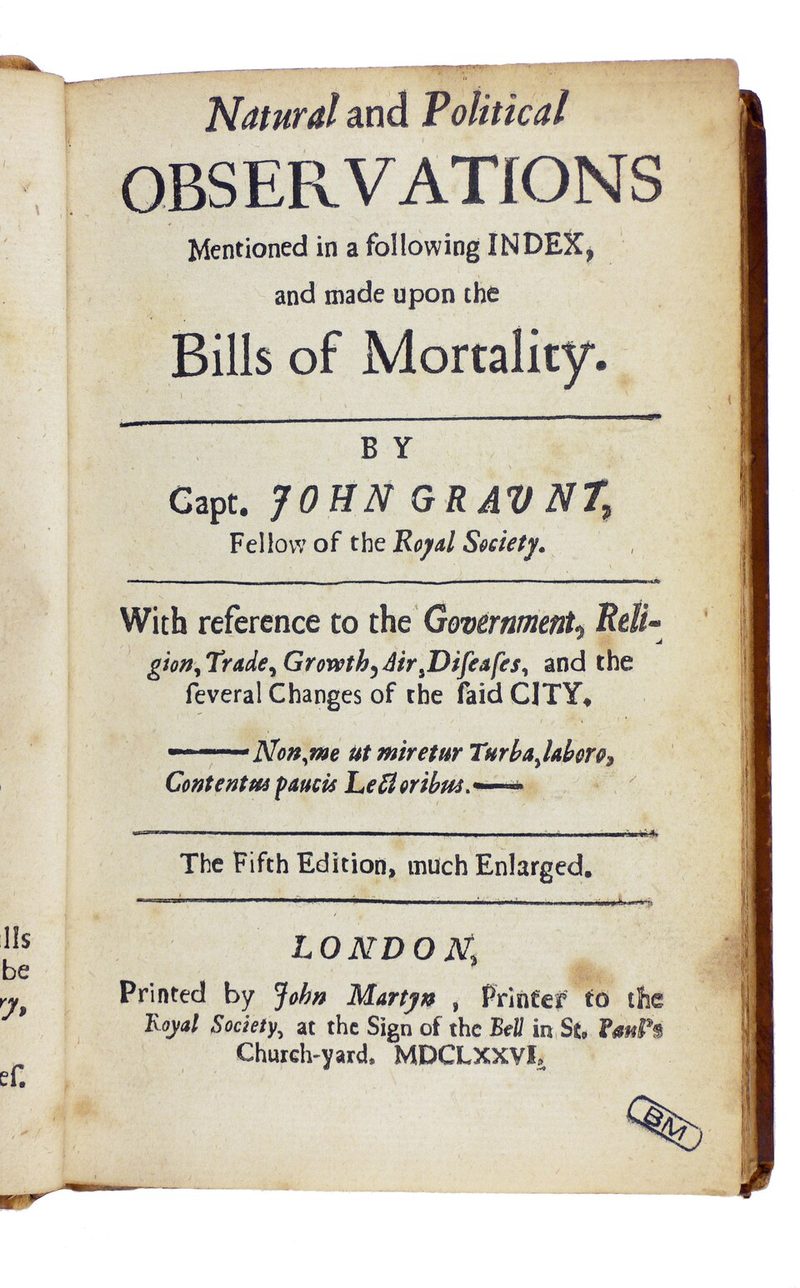 Same disease or problem1662Graunt's Observations on the Bills of MortalityICD 6 set one way to count causes of death worldwide, and Graunt first tabulated them from London's weekly bills. Graunt's story shows the first estimates of child mortality.Read this moment