Epidemiology
1993
Global Burden of Disease study and the DALY
The World Bank's 1993 World Development Report drew on the first Global Burden of Disease study, which estimated the toll of more than 100 diseases and injuries in eight world regions with a new measure, the disability-adjusted life year.
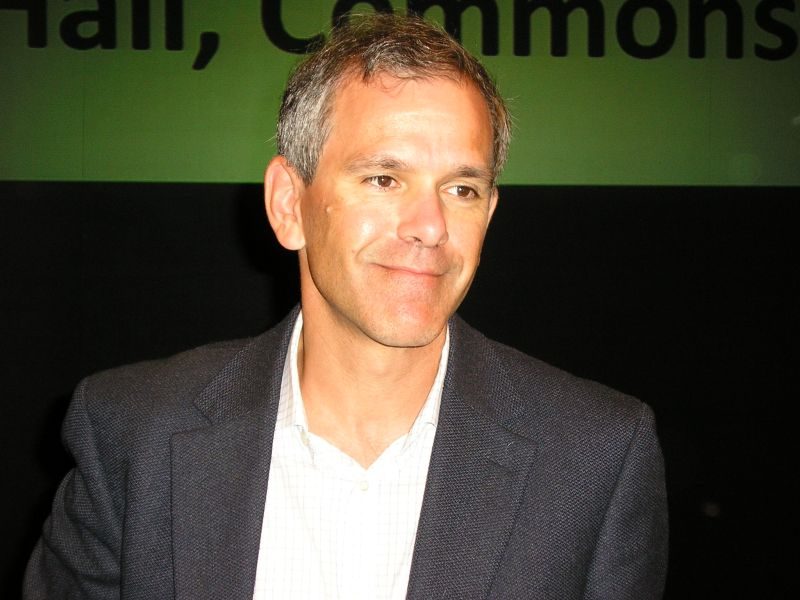
Key people
- Chris Murray
- Harvard researcher who carried out the first study and defined the DALY
- Alan Lopez
- WHO scientist who carried out the first study with Murray
Source
In 1992 the World Bank commissioned an estimate of how much ill health each disease and injury caused around the world, for its next World Development Report. Chris Murray of Harvard University and Alan Lopez of the World Health Organization carried out the work with a network of more than 100 scientists. Earlier global estimates had mostly counted deaths in broad cause groups. This study covered more than 100 diseases and injuries in eight regions of the world in 1990.
The study needed a unit that made time lived with disability comparable with time lost to early death. The disability-adjusted life year, or DALY, added years of life lost to premature death to years of healthy life lost to illness or disability. Murray set out the assumptions in the Bulletin of the World Health Organization in 1994. Life lost at each age was measured against a standard life table, time lived with disability fell into six severity classes weighted between 0 and 1, years lived at different ages carried different weights to reflect the dependence of the young and the old on adults, and future years were discounted at 3 percent.
Investing in Health, the sixteenth World Development Report, appeared in 1993. It argued that good health raises the productivity of individuals and the growth of economies, and it based its findings largely on the burden estimates and on analyses of the cost-effectiveness of interventions. It said that packages of public health measures and essential clinical care could reduce the burden of disease in developing countries by 25 percent.
The results surprised many policy makers who were used to mortality statistics: childhood diseases, mental disorders and road traffic accidents ranked among the leading causes of disease burden in 1990. C. D. Mathers, in a 2020 history written from long involvement in WHO's work, lists the controversies: heavy imputation and modeling where data were missing, disability weights, and discounting and age weighting. Murray and Lopez published the full study in 1996, with projections to 2020. In 2007 the Institute for Health Metrics and Evaluation was set up, funded by the Bill and Melinda Gates Foundation, to carry out new burden of disease studies.
Keep exploring
 Read next · same disease or problem
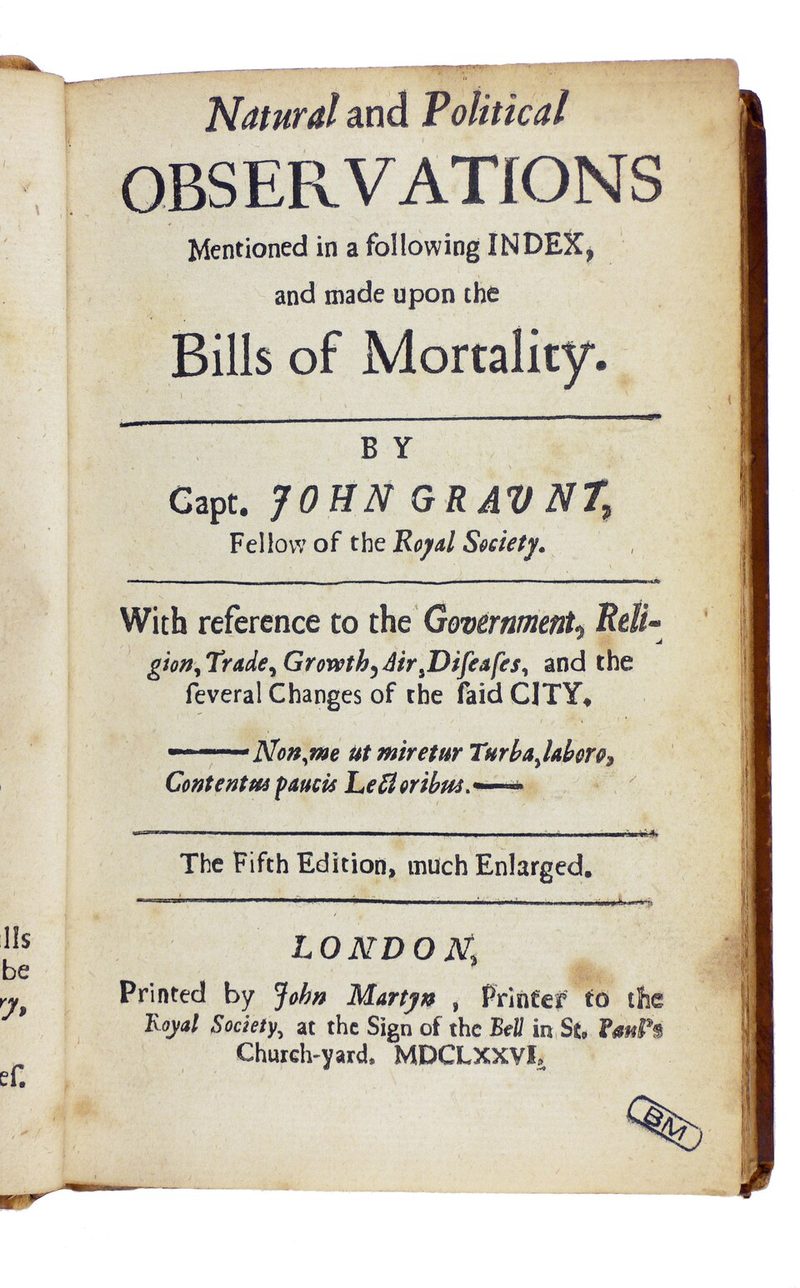
Graunt's Observations on the Bills of Mortality (1662)
Three centuries apart, both turned counts of death into a picture of a population's health. Graunt's entry shows London's weekly bills made into tables and an early life table.
Read this moment
Read next · same disease or problem
Graunt's Observations on the Bills of Mortality (1662)
Three centuries apart, both turned counts of death into a picture of a population's health. Graunt's entry shows London's weekly bills made into tables and an early life table.
Read this moment
 Today on The Clinical Times
Love to Dream recalls portable baby sound machine over fire and burn risk
Love to Dream has recalled its portable Sleep Machine because its lithium-ion battery can overheat while charging with an incompatible charger, creating a risk of fire and burns.
Read today’s top stories
Today on The Clinical Times
Love to Dream recalls portable baby sound machine over fire and burn risk
Love to Dream has recalled its portable Sleep Machine because its lithium-ion battery can overheat while charging with an incompatible charger, creating a risk of fire and burns.
Read today’s top stories
All 526 moments in the history of medicine. This one is in chapter 6, Trials, scanners and rights
Connected moments
How this moment links to others in the history of medicine, and what you will find in each.
-
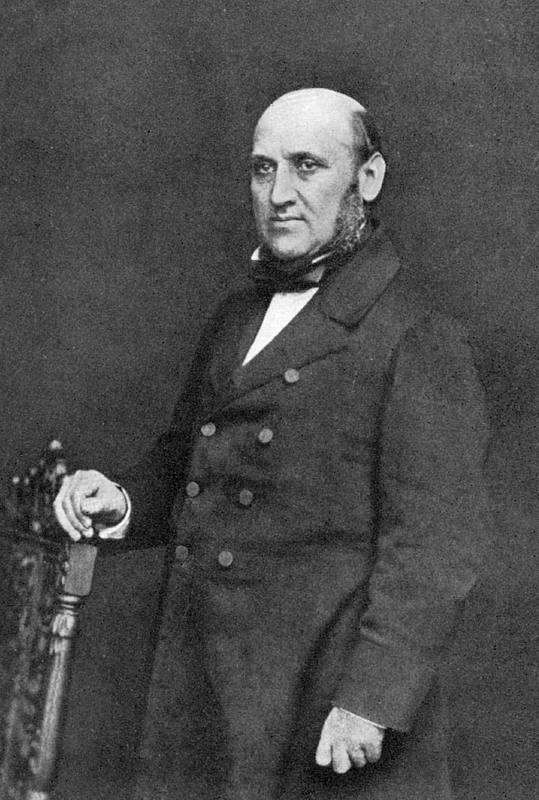 Same disease or problem1839William Farr and national vital statisticsFarr classified and counted causes of death for a nation, and the burden study did it for the world while adding disability. Farr's entry shows the classification that began the international list.Read this moment
-
 Same disease or problem1948ICD-6 and the classification of illnessThe burden study needed a common list of diseases and injuries, and ICD-6 extended the international list from deaths to illness. That entry shows how the underlying cause of death came to be counted.Read this moment
- Same disease or problem1966Accidental Death and Disability reportRoad traffic injuries ranked among the leading burdens in 1990, echoing the report that called injury a neglected epidemic. The 1966 entry shows injury as the main cause of death in the first half of life.Read this moment