Epidemiology
1839
William Farr and national vital statistics
Hired by England's new General Register Office, William Farr classified and counted the causes of death on national registrations, beginning with the Registrar General's first annual report in 1839. His classification became the starting point for an international list of causes of death.
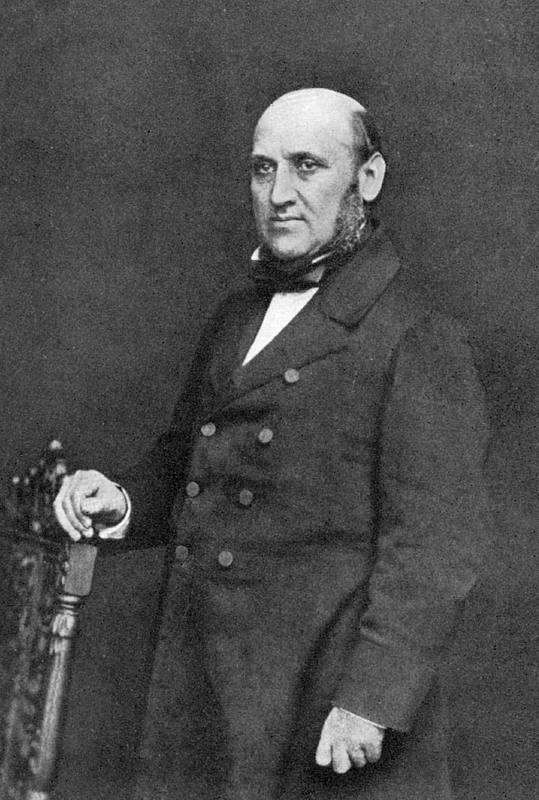
Key people
- William Farr
- First medical statistician of the General Register Office, from 1839
- Marc d'Espine
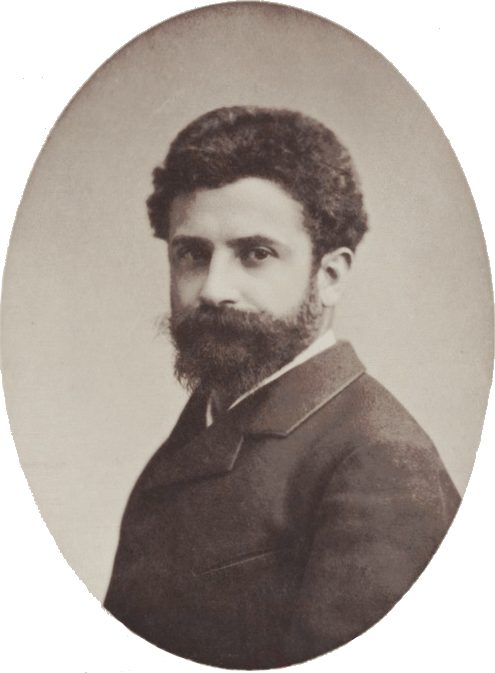
- Genevan asked with Farr in 1853 to draft a causes-of-death list
Source
Civil registration of births, marriages and deaths in England and Wales began under a new General Register Office in 1837. The office had death returns from the whole country and no sound way to name what people had died of. The classification in public use was William Cullen's, and it had not kept pace with medicine.
William Farr, born in 1807 in the Shropshire village of Kenley to parents of humble means, was raised by a local benefactor, Joseph Pryce, whose bequest paid for medical study in Paris from 1829. He joined the Register Office in 1839 as its first medical statistician. In his letter for the Registrar General's first annual report he complained that one disease might go by three or four names and one name cover several diseases, and he argued that a uniform nomenclature mattered as much to his field as weights and measures did to physics.
Farr wrote such letters on the causes of death for the annual reports over the next four decades. He framed a statistical nosology that sorted deaths into classes, with epidemic, endemic and contagious diseases first, and as an assistant census commissioner he wrote almost all of the census reports for 1851, 1861 and 1871.
His system went abroad. The first International Statistical Congress, at Brussels in 1853, asked Farr and Marc d'Espine of Geneva to draw up a uniform classification of causes of death. They brought two different lists to Paris in 1855, Farr's arranged in five groups (epidemic, constitutional, local, developmental and violent), and the congress adopted a compromise of 139 headings. A revision in 1864 followed Farr's model, and further revisions led to the International Classification of Diseases now kept by the WHO.
Passed over for the post of Registrar General, Farr retired on 1 February 1880. He died on 14 April 1883.
Keep exploring
 Read next · led to
ICD-6 and the classification of illness (1948)
Farr's classification of causes of death was the starting point for the international list that became ICD. The ICD 6 story shows that list extended to illness and adopted by the first World Health Assembly.
Read this moment
Read next · led to
ICD-6 and the classification of illness (1948)
Farr's classification of causes of death was the starting point for the international list that became ICD. The ICD 6 story shows that list extended to illness and adopted by the first World Health Assembly.
Read this moment
 Today on The Clinical Times
Love to Dream recalls portable baby sound machine over fire and burn risk
Love to Dream has recalled its portable Sleep Machine because its lithium-ion battery can overheat while charging with an incompatible charger, creating a risk of fire and burns.
Read today’s top stories
Today on The Clinical Times
Love to Dream recalls portable baby sound machine over fire and burn risk
Love to Dream has recalled its portable Sleep Machine because its lithium-ion battery can overheat while charging with an incompatible charger, creating a risk of fire and burns.
Read today’s top stories
All 526 moments in the history of medicine. This one is in chapter 4, Germs, numbers and clean water
Connected moments
How this moment links to others in the history of medicine, and what you will find in each.
-
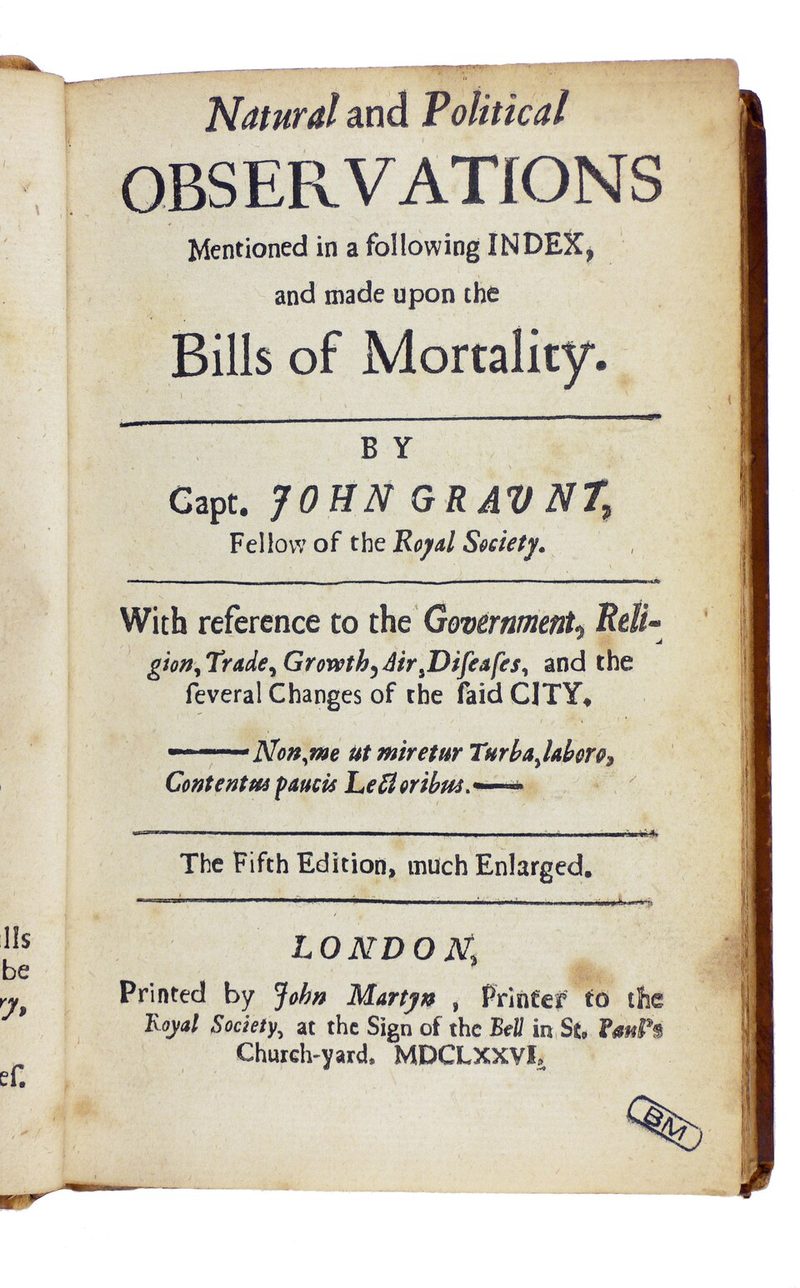 Same disease or problem1662Graunt's Observations on the Bills of MortalityFarr counted deaths by cause for a nation, and Graunt had first turned London's weekly death counts into tables. Graunt's story shows early estimates of child mortality and one of the first life tables.Read this moment
- Same disease or problem1452Milan's civic death registersFarr complained that one disease went by several names, and Milan had faced the same problem when its physicians assigned a cause to every death. The Milan story shows about 115,000 deaths recorded with diagnoses in the 15th and 16th centuries.Read this moment