Public Health
1842
Chadwick's sanitary report
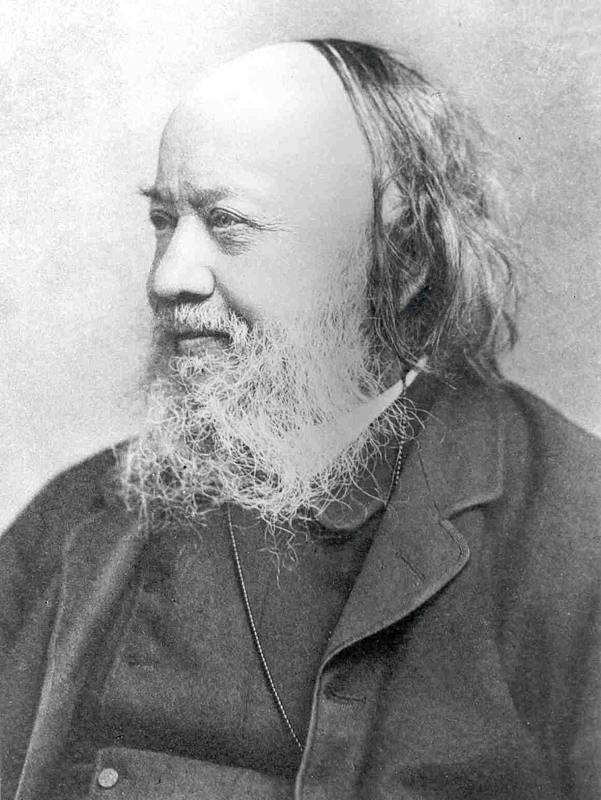
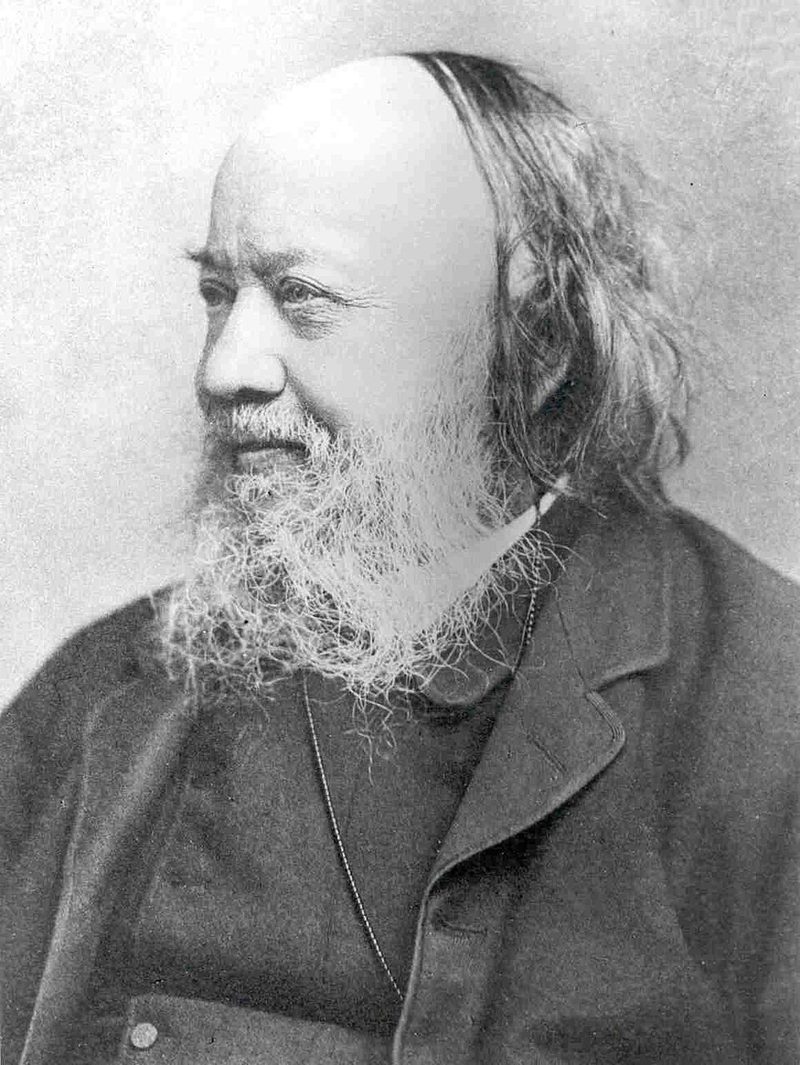
Edwin Chadwick's 1842 report, built on surveys by Poor Law assistant commissioners, used statistics and descriptions of housing, sewers, refuse and water to tie the disease and early death of Britain's working poor to the conditions they lived in.
Key people
- Edwin Chadwick
- Civil servant and lawyer who directed the inquiry and published the report
Source
Edwin Chadwick was born in Manchester in 1800 and trained as a lawyer in London, where he turned to social reform. In 1832 he joined a royal commission on the Poor Laws, and his work fed into the Poor Law Amendment Act of 1834. Cholera had reached Britain in 1831, and epidemics of influenza and typhoid followed in 1837 and 1838, so the government asked Chadwick for a new inquiry into sanitation. By 1841 close to half of Britain's population lived in towns.
At Chadwick's request, the Poor Law Commission had already surveyed the sanitary state of the poor in east London in 1838. The second inquiry was far wider. Assistant commissioners gathered returns from around the country, down to reports on housing in North Wales, and the result appeared in 1842 under Chadwick's name. He paid for the publication himself.
Descriptions of air, sewers, dung heaps, water and housing sat beside statistics in the report. It counted 43,000 new widows and 112,000 new orphans a year, and it found that the poor in places such as East London died on average 29 years younger than the wealthy. Chadwick compared the toll to a war that killed more people every year than any conflict Britain had fought, and he framed the cure as a matter of engineering, beginning with drainage.
In 1843, persuaded by the findings, the government appointed the Royal Commission on the Health of Towns, which examined the sanitary arrangements of 50 English towns. That commission's work produced the Public Health Act of 1848.
Keep exploring
 Read next · same disease or problem
Shattuck's sanitary report for Massachusetts (1850)
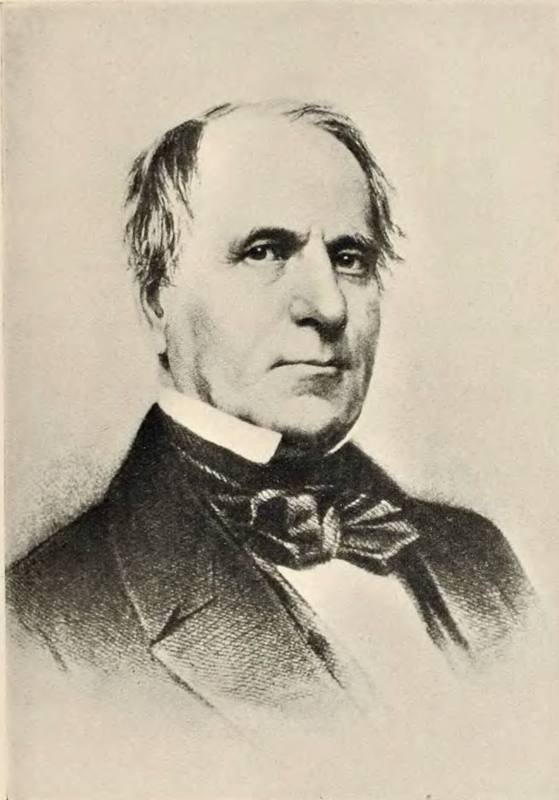
Chadwick surveyed the sanitary state of Britain, and Shattuck did the same for Massachusetts eight years later. His report shows 50 proposed measures, among them boards of health and full registration of births and deaths.
Read this moment
Read next · same disease or problem
Shattuck's sanitary report for Massachusetts (1850)
Chadwick surveyed the sanitary state of Britain, and Shattuck did the same for Massachusetts eight years later. His report shows 50 proposed measures, among them boards of health and full registration of births and deaths.
Read this moment
 Today on The Clinical Times
Love to Dream recalls portable baby sound machine over fire and burn risk
Love to Dream has recalled its portable Sleep Machine because its lithium-ion battery can overheat while charging with an incompatible charger, creating a risk of fire and burns.
Read today’s top stories
Today on The Clinical Times
Love to Dream recalls portable baby sound machine over fire and burn risk
Love to Dream has recalled its portable Sleep Machine because its lithium-ion battery can overheat while charging with an incompatible charger, creating a risk of fire and burns.
Read today’s top stories
All 526 moments in the history of medicine. This one is in chapter 4, Germs, numbers and clean water
Connected moments
How this moment links to others in the history of medicine, and what you will find in each.
-
 Led to1848Public Health Act of 1848Chadwick's report led to a Royal Commission on the Health of Towns, whose work produced the Public Health Act of 1848. That story shows a General Board of Health created and towns given local boards with powers over sewers and drains.Read this moment
-
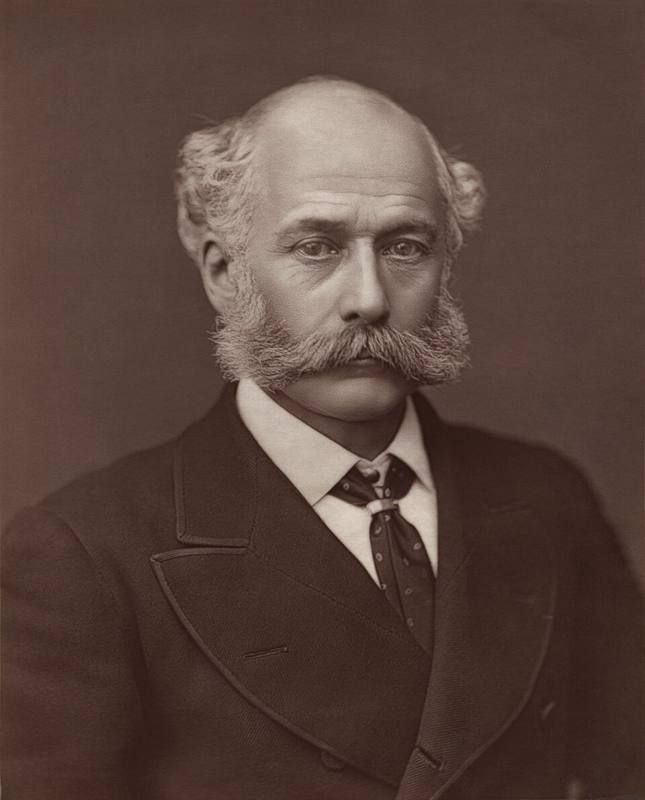 Same disease or problem1858Bazalgette's London sewersChadwick framed the cure for town disease as engineering, beginning with drainage, and Bazalgette built London's intercepting sewers. His story shows the Great Stink of 1858 pushing Parliament to act.Read this moment
-
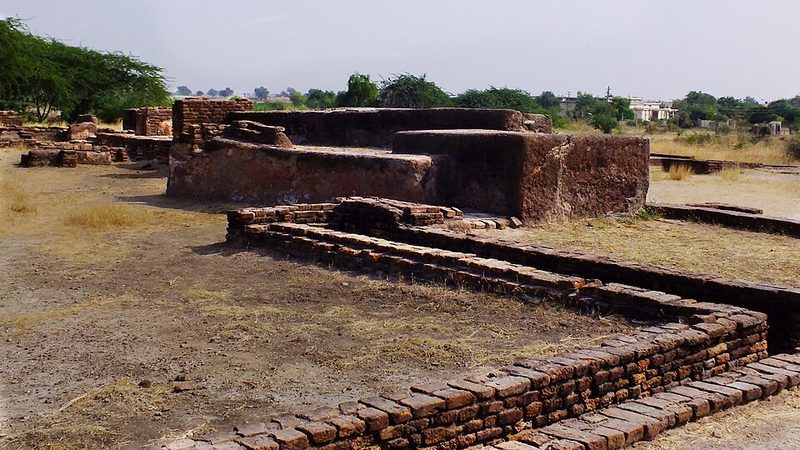 Same disease or problemc. 2500 BCEDrains and washing places of the Indus citiesChadwick tied the early deaths of the poor to bad sanitation, and Harappa's skeletons show infection rising after its sanitation declined. The Indus story shows drains and soak pits in cities about 4,500 years old.Read this moment