Patients & Rights
1843
Dorothea Dix's Memorial to the Massachusetts legislature
In January 1843 Dorothea Dix gave the Massachusetts legislature a town-by-town account of insane and intellectually disabled paupers kept caged and chained in jails and almshouses. It led to a state study and a second state asylum, at Taunton.
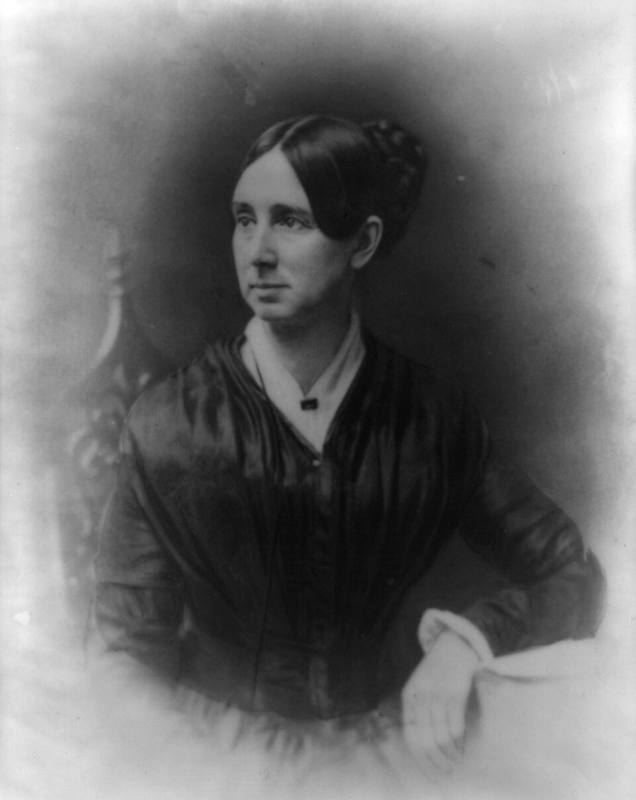
Key people
- Dorothea Dix
- Boston reformer who wrote the 1843 memorial
Source
At Saugus on 24 December, with the thermometer below zero, Dorothea Dix was shown into the poorhouse master's family room, its walls hung with handcuffs and chains. Of the 13 paupers, she asked to see an insane woman, was refused, and pressed until the master gave way. Visits like this one, town after town, filled the memorial she sent to the Massachusetts legislature in January 1843.
Dix came before the legislators unsolicited. She wrote that about two years earlier she had begun visiting prisons and almshouses near Boston and had found insane persons and "idiots," in the language of the day, housed with criminals and paupers, to the harm of all. She wrote that duty had overruled her usual idea of what was womanly, and she named towns and cases, since cold facts, she said, required it.
The list ran across the state. In Medford one person was chained and another had spent 17 years in a close stall. In Pepperell one was often chained hand and foot, and in Barnstable four women were kept in pens and stalls. The almshouse at Danvers held 56 to 60 inmates, one insane person always in close confinement. The prisons at Ipswich and Cambridge each held more than twenty of them. Only prompt and vigorous legislation, she told the legislators, could remedy it.
Munroe and Francis printed the memorial in Boston, and demand for copies led to a reprint, to which Dix added that she believed similar cases could be found in other states. Massachusetts then had one state hospital for the insane, at Worcester, opened in 1833. An 1848 legislative study, which the National Park Service traces to the memorial, found Worcester badly overcrowded. In 1851 the state authorized a second asylum at Taunton, with wings for 250 patients on the plan of the Pennsylvania physician Thomas Kirkbride.
Keep exploring
 Read next · same disease or problem
The York Retreat (1796)
Dix found the insane chained in jails and almshouses, while the York Retreat had shown decades earlier that they could be cared for without chains. Its story shows the Quaker house whose methods became known as moral treatment.
Read this moment
Read next · same disease or problem
The York Retreat (1796)
Dix found the insane chained in jails and almshouses, while the York Retreat had shown decades earlier that they could be cared for without chains. Its story shows the Quaker house whose methods became known as moral treatment.
Read this moment
 Today on The Clinical Times
Love to Dream recalls portable baby sound machine over fire and burn risk
Love to Dream has recalled its portable Sleep Machine because its lithium-ion battery can overheat while charging with an incompatible charger, creating a risk of fire and burns.
Read today’s top stories
Today on The Clinical Times
Love to Dream recalls portable baby sound machine over fire and burn risk
Love to Dream has recalled its portable Sleep Machine because its lithium-ion battery can overheat while charging with an incompatible charger, creating a risk of fire and burns.
Read today’s top stories
All 526 moments in the history of medicine. This one is in chapter 4, Germs, numbers and clean water
Connected moments
How this moment links to others in the history of medicine, and what you will find in each.
-
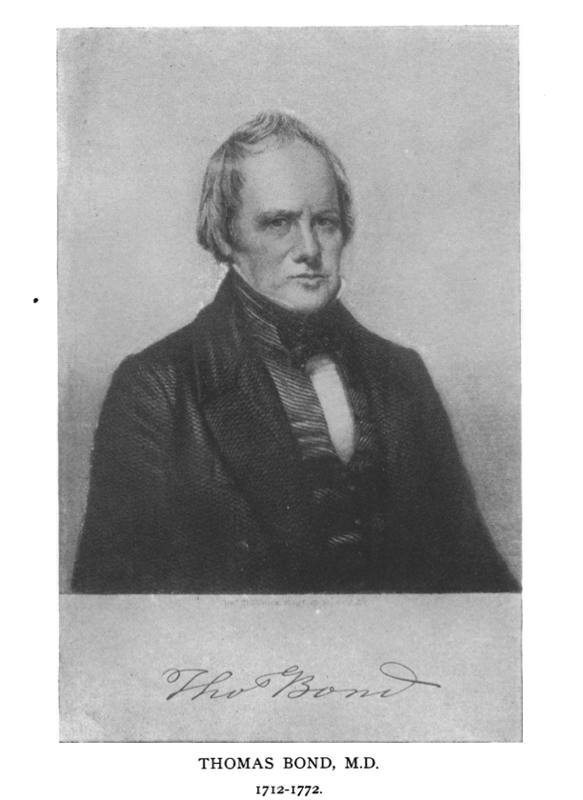 Same disease or problem1751Founding of Pennsylvania HospitalPhiladelphia's founders complained in 1751 that the insane could only be confined in the House of Correction, the same wrong Dix found in Massachusetts. The Pennsylvania story shows a hospital built to treat the sick poor and the mentally ill.Read this moment
-
 Same disease or problem1963Community Mental Health Centers ActDix won new state asylums for the mentally ill, and in 1963 federal money began moving care out of large state hospitals into communities. That story shows state hospital patients falling from over half a million to about 30,000.Read this moment
-
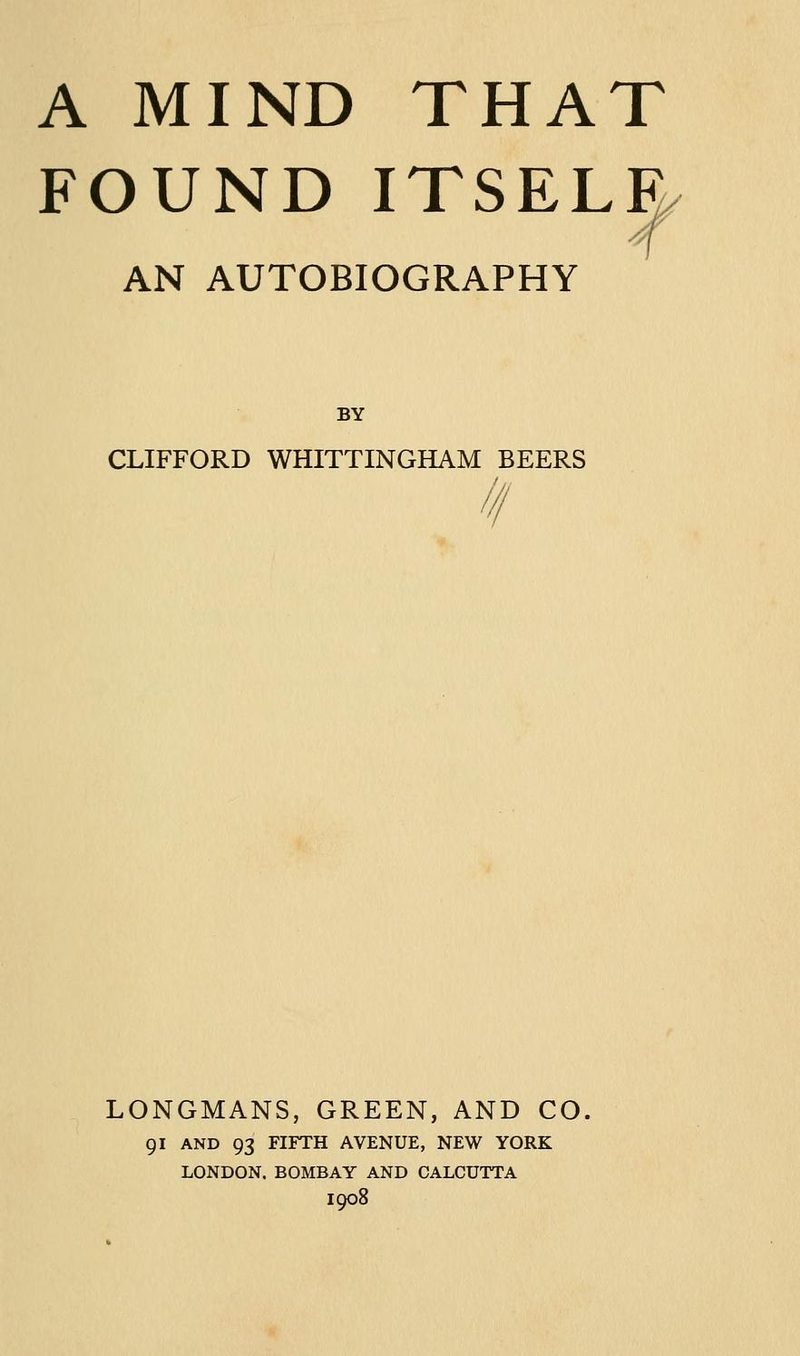 Same disease or problem1908Clifford Beers and the mental hygiene movementDix exposed how the mentally ill were treated by visiting them town by town, and Beers did it from the inside as a former patient. His story shows the book that launched the mental hygiene movement.Read this moment