Patients & Rights
1751
Founding of Pennsylvania Hospital
In 1751 Thomas Bond and Benjamin Franklin founded Pennsylvania Hospital in Philadelphia to treat the sick poor free of charge and to care for people with mental illness. Its charter matched private gifts with public money.
Key people
- Thomas Bond
- Philadelphia physician who conceived the hospital and gave its first clinical lectures
- Benjamin Franklin
- Co-founder who raised support and wrote the hospital's early account
Source
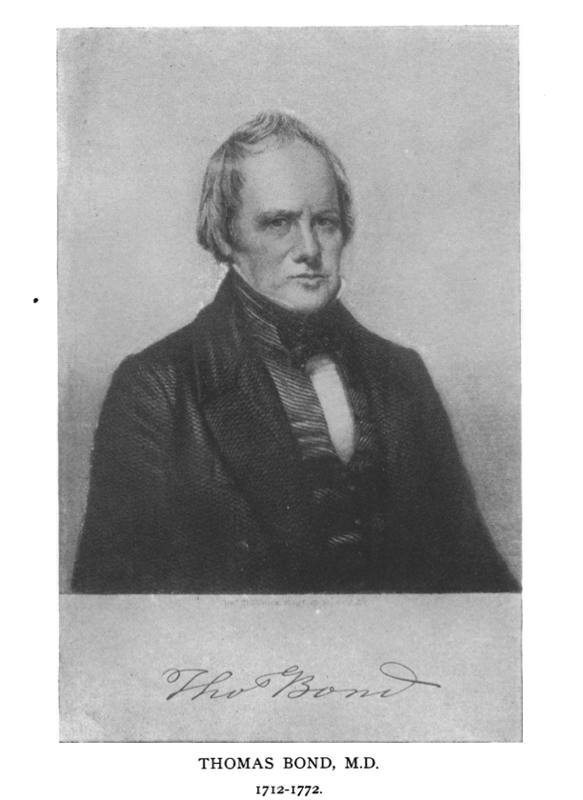
Thomas Bond (1712 to 1784), a Philadelphia physician who had finished his medical training in Europe, mainly in Paris, had seen the voluntary hospital movement there. His plan for a hospital in Philadelphia drew interest but no money until his friend Benjamin Franklin endorsed it. Franklin later credited the idea to Bond, who, in the words of the University of Pennsylvania's archives, conceived it not as a poorhouse but as a place only for treating the sick, the injured and the insane.
Their petition went to the Pennsylvania Assembly on 23 January 1751. It said that the number of lunatics had grown with the population, that some wandered at large to the terror of their neighbors, and that the only place to confine them was the House of Correction, which was unfit for the purpose. It pointed out that more than two thirds of the mad people treated at Bethlehem Hospital in London were said to have been cured. It also spoke for poor people far from medical help, suffering from the stone, from cancer or from cataracts.
The Assembly's act, under which the hospital was chartered on 11 May 1751, set up a matching grant. Once the contributors had raised a capital stock of £2,000, whose yearly income would give the sick poor diet, attendance, advice and medicines free of charge, the Speaker was to order £2,000 from the provincial treasury for building and furnishing the hospital. Franklin himself made the largest private gift. The hospital began in a rented house on Market Street.
Land at Eighth and Pine Streets was bought in 1755, and the first part of the Pine Building opened in 1756 with men's and women's wards for physical and mental illness. A west wing for mental illness followed in 1796, and in 1804 a center building with a surgical amphitheater, the oldest surviving one in the United States. In 1766 Bond began there the first course of clinical lectures in the country, for the first students of the new medical school of what became the University of Pennsylvania.
Keep exploring
 Read next · built on
Bethlem Hospital and the care of the insane (1403)
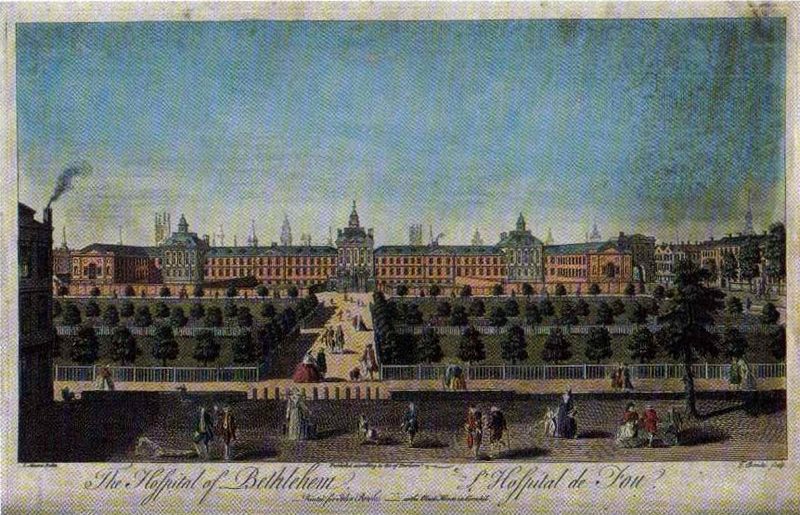
The founders' petition pointed to Bethlem in London, where more than two thirds of the mad were said to be cured. Bethlem's story shows how a medieval priory became Britain's first house for the mentally ill.
Read this moment
Read next · built on
Bethlem Hospital and the care of the insane (1403)
The founders' petition pointed to Bethlem in London, where more than two thirds of the mad were said to be cured. Bethlem's story shows how a medieval priory became Britain's first house for the mentally ill.
Read this moment
 Today on The Clinical Times
Love to Dream recalls portable baby sound machine over fire and burn risk
Love to Dream has recalled its portable Sleep Machine because its lithium-ion battery can overheat while charging with an incompatible charger, creating a risk of fire and burns.
Read today’s top stories
Today on The Clinical Times
Love to Dream recalls portable baby sound machine over fire and burn risk
Love to Dream has recalled its portable Sleep Machine because its lithium-ion battery can overheat while charging with an incompatible charger, creating a risk of fire and burns.
Read today’s top stories
All 526 moments in the history of medicine. This one is in chapter 3, Anatomy and observation
Connected moments
How this moment links to others in the history of medicine, and what you will find in each.
-
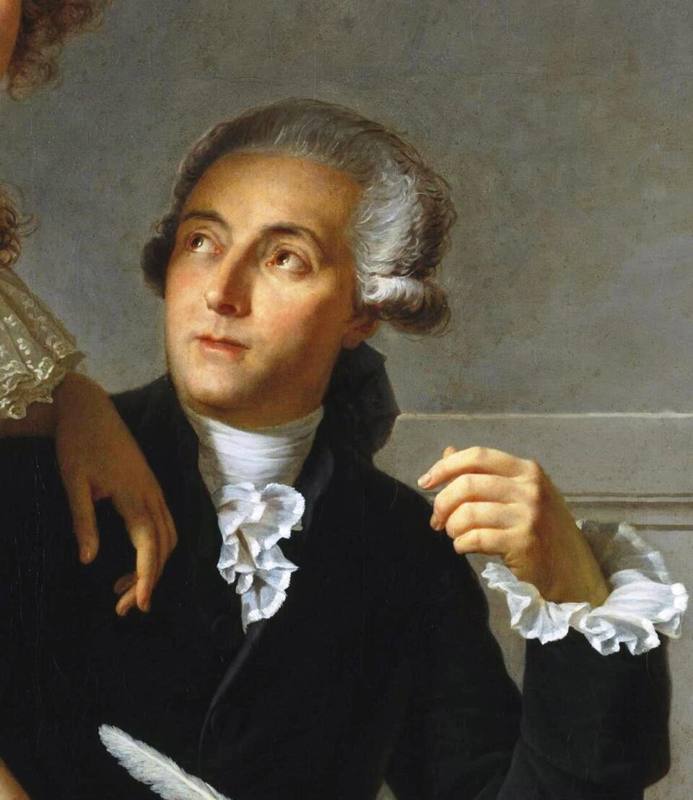 Same person1784The royal commission on animal magnetismBenjamin Franklin made the largest private gift to the hospital and later sat on the Paris commission that tested Mesmer's animal magnetism. That story shows blindfolded subjects exposing a popular cure in the first known blind experiments.Read this moment
-
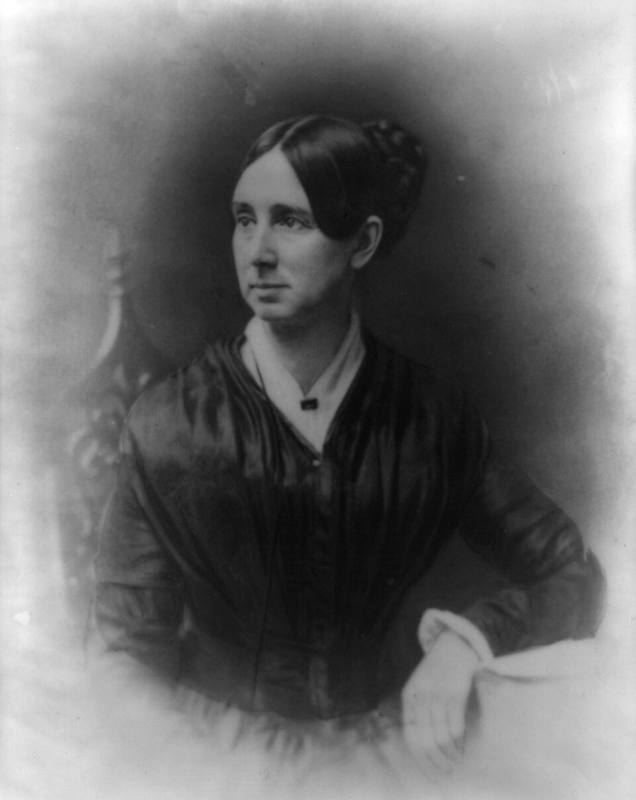 Same disease or problem1843Dorothea Dix's Memorial to the Massachusetts legislaturePhiladelphia's petition complained that the insane could only be confined in the House of Correction, and Dix found them caged in jails and almshouses. Her story shows one woman's survey moving a legislature to build an asylum.Read this moment
-
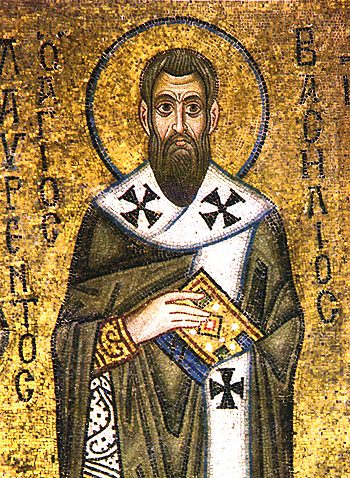 Same disease or problemc. 372 CEBasil's hospital at CaesareaBoth were founded to treat the sick poor free of charge, paid for partly by private gifts. Basil's story shows a fourth century complex in Cappadocia that some historians call the first hospital.Read this moment