Patients & Rights
c. 372 CE
Basil's hospital at Caesarea
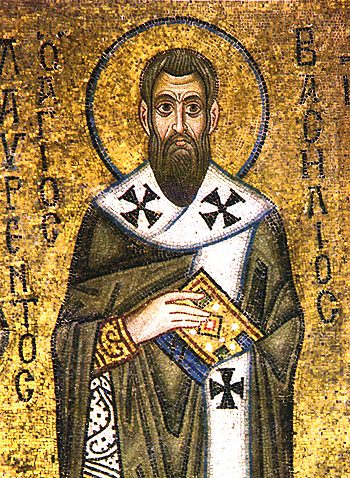
Outside Caesarea in Cappadocia, Basil built a complex that lodged travelers and the sick poor, with physicians to treat them, and took in lepers who had been driven from their towns. A letter of about 372 describes it.
Key people
- Basil of Caesarea
- Priest, later bishop, who founded the complex after the 369 famine
- Gregory of Nazianzus
- Basil's friend, whose funeral oration described the care of lepers there
Source
In 369 Cappadocia, in what is now central Turkey, suffered a famine that Gregory of Nazianzus called the most severe ever recorded there. Basil, a monk and priest who later became a bishop, gathered the hungry of Caesarea and fed them soup and meat, and he preached against the wealthy who hoarded while the poor died of sickness and starvation. The feeding grew into a complex of buildings just outside the city.
A letter placed in 372, addressed to Elias, governor of the province, answers people who had complained about it. Basil lists a church, a house for the bishop and lodgings for the clergy, and asks whom he harms by building a place for strangers, both travelers and those who need medical treatment for sickness, with physicians, doctors, transport and escort. The residents were to learn trades, and building materials were already being gathered. In two letters of 373 to Bishop Amphilochius, Basil calls the place a ptochotropheion, a Greek word for a house of the poor or the sick, beside the city, and invites him to its church.
Gregory, Basil's lifelong friend, described this new city in his funeral oration for Basil. Lepers had been driven from their cities, homes, public places and fountains and even from their families, he said; now they were cared for, and Basil himself greeted them as brothers and went to tend them. Gifts from the wealthy paid for the work. The complex may also have housed orphans.
Whether it was the first hospital depends on the definition. Roman valetudinaria treated sick or injured slaves and soldiers for their owners and legions, and the temples of Asclepius expected sacrifices or gifts and rarely had physicians. Thomas Heyne, writing in Hektoen International, applies Andrew Crislip's test of beds for patients, professional carers and free care, and names the Basiliad the first hospital. When Caesarea itself later fell into ruin, the settlement around Basil's foundation survived and grew into the modern city of Kayseri.
Keep exploring
 Read next · same disease or problem
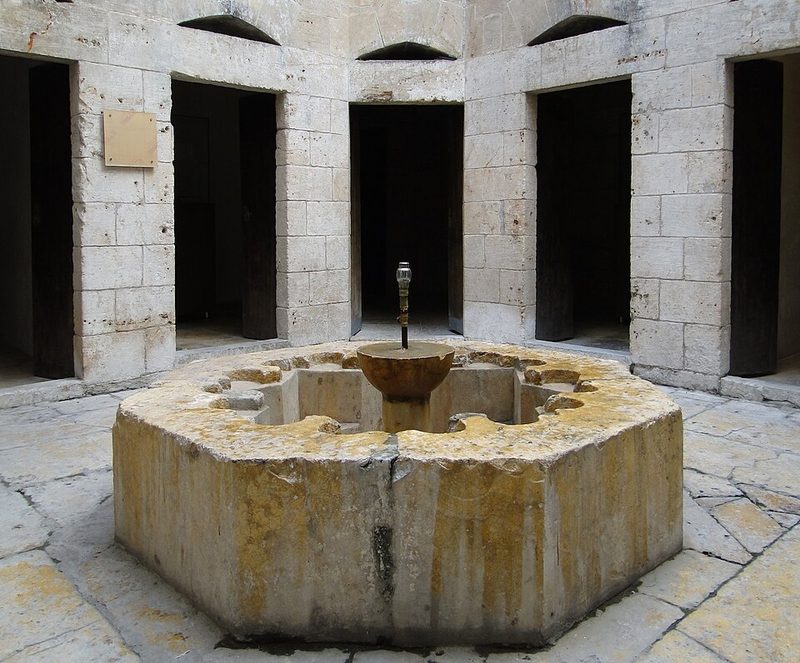
Bimaristans of medieval Islam (c. 800 CE)
Both are early hospitals that gave free care to the sick poor, paid for by gifts and endowments. The bimaristans show the Islamic version, with wards for women, fevers, eye disease and the mentally ill, and free dispensaries.
Read this moment
Read next · same disease or problem
Bimaristans of medieval Islam (c. 800 CE)
Both are early hospitals that gave free care to the sick poor, paid for by gifts and endowments. The bimaristans show the Islamic version, with wards for women, fevers, eye disease and the mentally ill, and free dispensaries.
Read this moment
 Today on The Clinical Times
Love to Dream recalls portable baby sound machine over fire and burn risk
Love to Dream has recalled its portable Sleep Machine because its lithium-ion battery can overheat while charging with an incompatible charger, creating a risk of fire and burns.
Read today’s top stories
Today on The Clinical Times
Love to Dream recalls portable baby sound machine over fire and burn risk
Love to Dream has recalled its portable Sleep Machine because its lithium-ion battery can overheat while charging with an incompatible charger, creating a risk of fire and burns.
Read today’s top stories
All 526 moments in the history of medicine. This one is in chapter 1, The ancient world
Connected moments
How this moment links to others in the history of medicine, and what you will find in each.
-
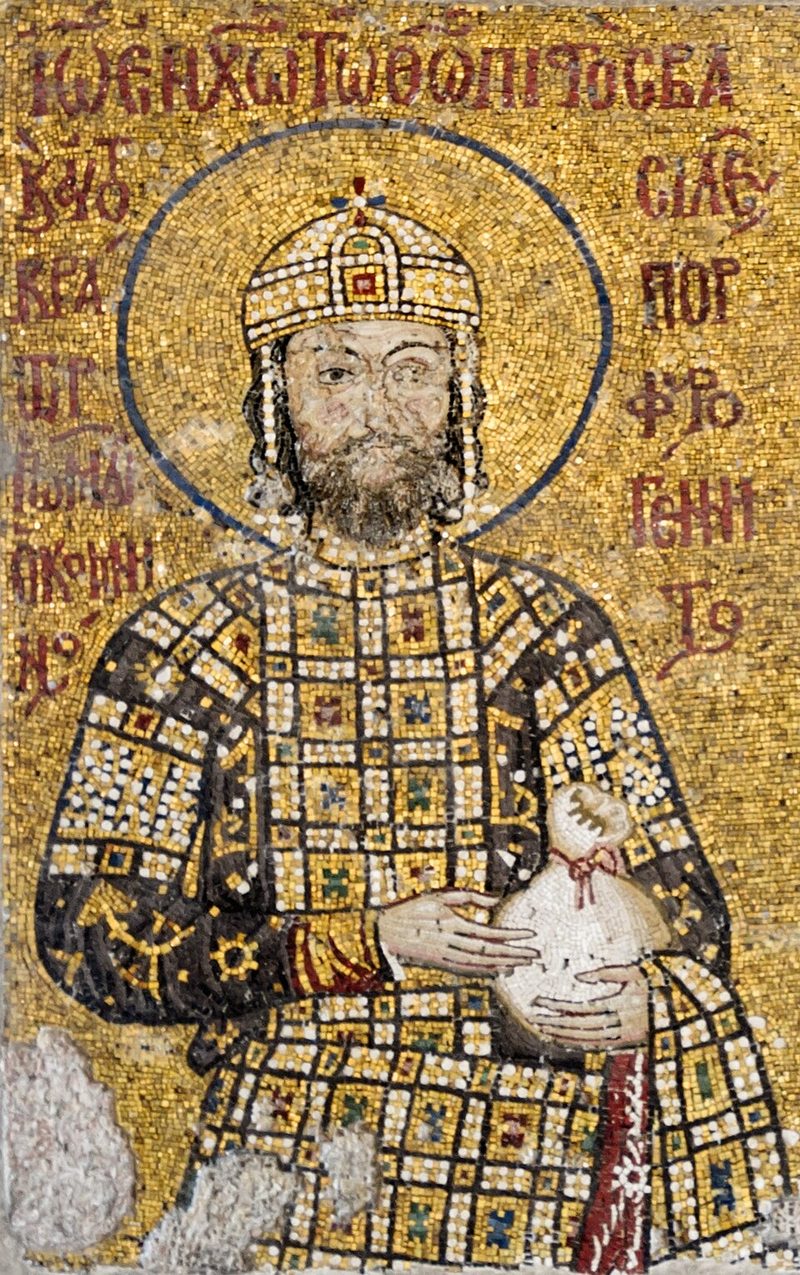 Same disease or problem1136The Pantokrator hospital in ConstantinopleBoth are Byzantine hospitals with physicians for the sick, Basil's outside Caesarea and the Pantokrator in Constantinople. The Pantokrator charter shows a 50 bed hospital with beds set by illness, a female doctor and salaried surgeons.Read this moment
-
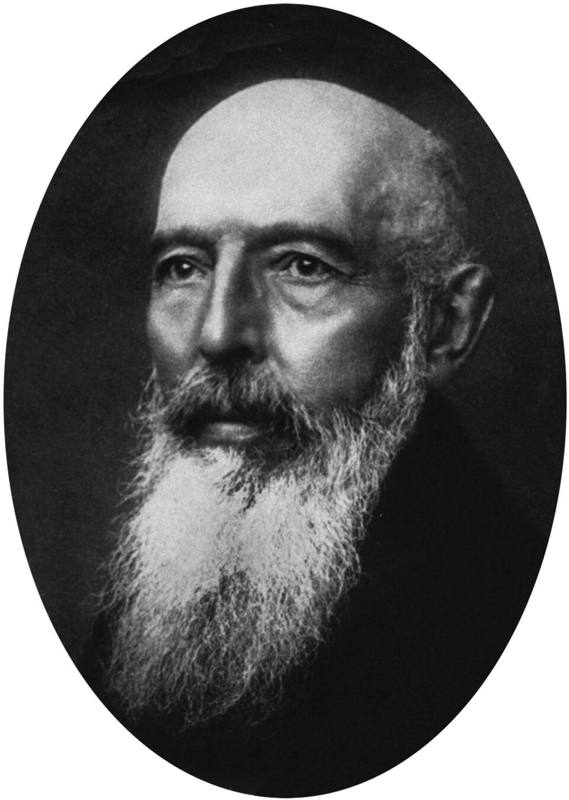 Same disease or problem1873Hansen's discovery of the leprosy bacillusBasil took in lepers who had been driven from their towns and families. Hansen's story shows the leprosy bacillus found in 1873 at a leprosy hospital in Bergen, when most physicians still thought the disease was hereditary.Read this moment
-
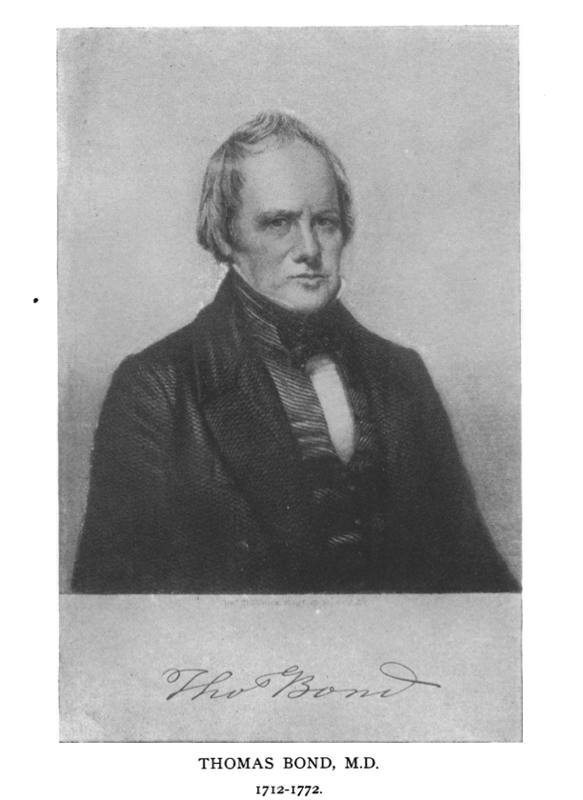 Same disease or problem1751Founding of Pennsylvania HospitalBoth were founded to treat the sick poor free of charge, one in fourth century Cappadocia and one in colonial Philadelphia. The Pennsylvania story shows Franklin and Bond matching private gifts with public money.Read this moment