Infectious Disease
c. 340 CE
Ge Hong's Handbook of Prescriptions for Emergencies
Ge Hong's handbook, written under the Eastern Jin dynasty, is the first record of qinghao (sweet wormwood) for periodic fevers. In 1971 its recipe pointed Tu Youyou's team to the low-temperature extraction that led to artemisinin.
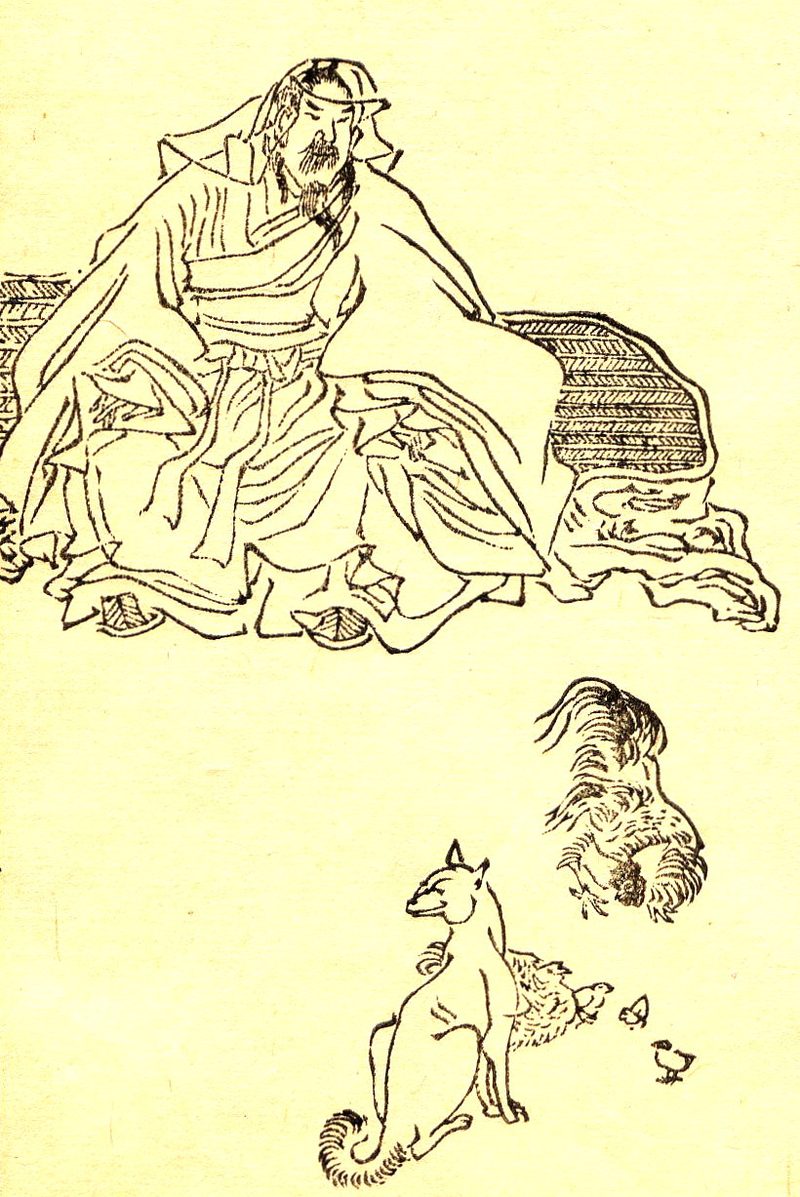
Key people
- Ge Hong
- Physician (284 to 363) who recorded qinghao for periodic fevers
- Tu Youyou
- Led the Project 523 group that extracted artemisinin from qinghao
Source
Ge Hong (284 to 363) was a Chinese physician who compiled a book of remedies for emergencies, known in English as A Handbook of Prescriptions for Emergencies. It dates from the Eastern Jin dynasty, which began in 317. One short recipe dealt with periodic fevers, the fevers and chills of the disease now called malaria. It told the reader to take one bunch of qinghao, soak it in two sheng of water (about 2.2 liters), wring it out and drink all of the juice.
Qinghao was already an old medicine. A silk text from the Mawangdui Han tombs of 168 BCE, the earliest written record of its use, gave it for hemorrhoids, and Sheng Nong's Herbal Classic, the oldest Chinese herbal, listed it for the itch of scabies, malignant sores and lice. Ge Hong's handbook is the first record of it for periodic fevers. Later books of the Song, Yuan and Ming dynasties described qinghao soups, pills and powders for malaria, and Li Shizhen recorded his own use of it for fevers and chills in his Compendium of Materia Medica.
The name was loose. Qinghao is a general Chinese name for herbs of the Artemisia genus, and the old texts said little about which species or which part of the plant to use. There are at least six species under the name, and only one, Artemisia annua, or sweet wormwood, contains meaningful amounts of the drug later found in it.
More than 1,600 years after Ge Hong, the recipe mattered again. In 1971 a team led by Tu Youyou at the Academy of Traditional Chinese Medicine in Beijing, working for the secret malaria program called Project 523, was testing qinghao extracts in infected mice with results that could not be repeated. Rereading the literature, Tu found Ge Hong's recipe, and it gave her the idea that the heat of the usual extraction might be destroying the active substance. In September 1971 the team switched to extraction with ethyl ether at a lower temperature. On 4 October 1971 their sample No. 191 was fully effective against malaria in mice. Tu cited Ge Hong's handbook in her Nobel lecture in December 2015.
Keep exploring
 Read next · led to
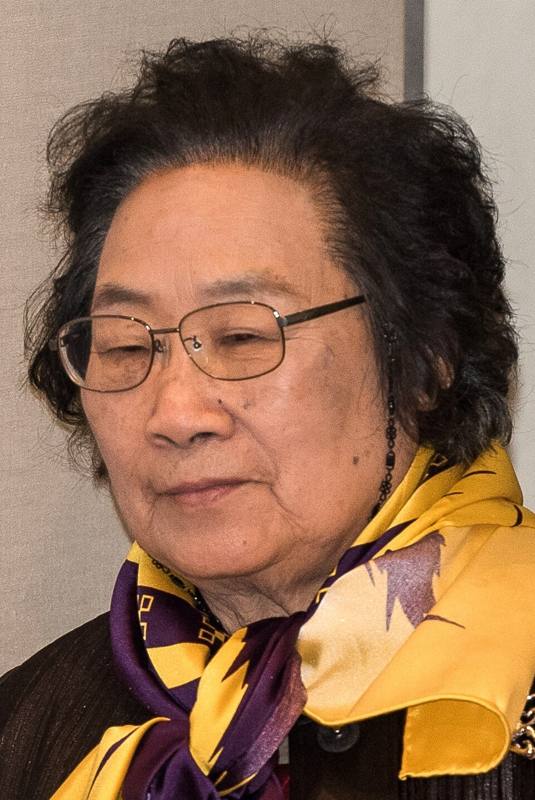
Tu Youyou and artemisinin (1972)
Tu Youyou reread Ge Hong's qinghao recipe in 1971, and it led her team to a cooler extraction. Her story shows how that change produced artemisinin, whose combinations are now used wherever malaria is common.
Read this moment
Read next · led to
Tu Youyou and artemisinin (1972)
Tu Youyou reread Ge Hong's qinghao recipe in 1971, and it led her team to a cooler extraction. Her story shows how that change produced artemisinin, whose combinations are now used wherever malaria is common.
Read this moment
 Today on The Clinical Times
Love to Dream recalls portable baby sound machine over fire and burn risk
Love to Dream has recalled its portable Sleep Machine because its lithium-ion battery can overheat while charging with an incompatible charger, creating a risk of fire and burns.
Read today’s top stories
Today on The Clinical Times
Love to Dream recalls portable baby sound machine over fire and burn risk
Love to Dream has recalled its portable Sleep Machine because its lithium-ion battery can overheat while charging with an incompatible charger, creating a risk of fire and burns.
Read today’s top stories
All 526 moments in the history of medicine. This one is in chapter 1, The ancient world
Connected moments
How this moment links to others in the history of medicine, and what you will find in each.
-
 Same disease or problem1578Li Shizhen's Bencao GangmuGe Hong first recorded qinghao for periodic fevers, and Li Shizhen recorded his own use of it for fevers and chills. His compendium shows 1,892 kinds of medicines gathered over 27 years of work.Read this moment
-
 Same disease or problemc. 1630Cinchona Bark as a Remedy for MalariaBoth are plant remedies for the periodic fevers of malaria, qinghao in China and cinchona bark from the Andes. The cinchona story shows the bark carried to Europe by Jesuits, which stayed the best malaria treatment until the 1940s.Read this moment