Foundational Discovery
1578
Li Shizhen's Bencao Gangmu
The Ming physician Li Shizhen finished his Compendium of Materia Medica in 1578 after 27 years of work. First printed in 1593, its 52 volumes described 1,892 medicinal substances and 11,096 prescriptions, and every later edition derives from that printing.
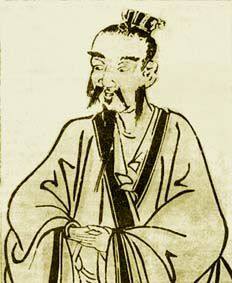
Key people
- Li Shizhen
- Ming physician who compiled the Compendium of Materia Medica
- Hu Chenglong
- Jinling printer who carved and printed the first edition
Source
Li Shizhen (1518 to 1593) was a physician of the Ming dynasty. Over 27 years he compiled an encyclopedia of the plants, animals, minerals and other objects believed to have medicinal properties, summing up the pharmacology of East Asia before the 16th century and adding the results of his own fieldwork. He completed the first draft in 1578, at the age of 60.
The first edition, which names Li Jianzhong and Li Jianyuan as revisers, was carved in woodblocks by Hu Chenglong at Jinling, now Nanjing, and appeared in 1593, the 21st year of the Wanli reign; the Wellcome Collection dates the engraving to 1590. This Jinling edition runs to 52 volumes of text and two volumes of illustrations with 1,109 pictures, about 1.9 million Chinese words in all. It records 1,892 kinds of medicines and 11,096 prescriptions.
The opening volumes survey earlier pharmacological books and the theory of traditional medicine, including cautions on drugs in pregnancy and on diet, and then list remedies by disease. The individual substances follow in categories that run from water, fire, earth and metals through the grasses and on to birds, beasts and parts of the human body. Each entry gives the name, processing, flavor, known uses, observation notes and prescriptions. Among them, Li recorded his own practice in treating periodic fevers and chills with qinghao, the herb from which artemisinin was extracted almost four centuries later.
According to China's nomination of the Jinling edition to UNESCO's Memory of the World Register, which inscribed it in 2011, the compendium has been reprinted more than 100 times and translated in whole or in part into more than 20 languages, among them Japanese, Korean, Latin, French, German, English and Russian. The nomination adds that Charles Darwin called it an ancient Chinese encyclopedia.
Keep exploring
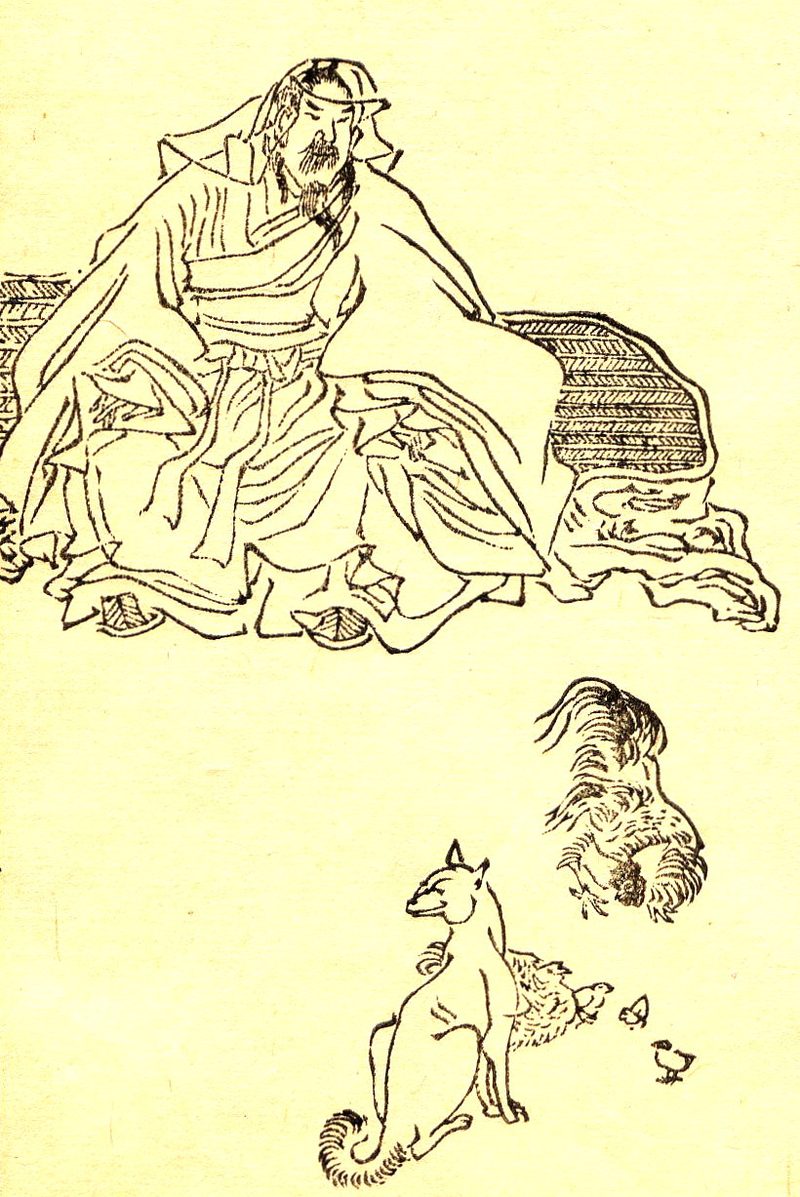 Read next · built on
Ge Hong's Handbook of Prescriptions for Emergencies (c. 340 CE)
Li recorded his own use of qinghao for fevers and chills, a use first written down by Ge Hong. Ge Hong's story shows the original recipe, which in 1971 pointed Tu Youyou toward artemisinin.
Read this moment
Read next · built on
Ge Hong's Handbook of Prescriptions for Emergencies (c. 340 CE)
Li recorded his own use of qinghao for fevers and chills, a use first written down by Ge Hong. Ge Hong's story shows the original recipe, which in 1971 pointed Tu Youyou toward artemisinin.
Read this moment
 Today on The Clinical Times
Love to Dream recalls portable baby sound machine over fire and burn risk
Love to Dream has recalled its portable Sleep Machine because its lithium-ion battery can overheat while charging with an incompatible charger, creating a risk of fire and burns.
Read today’s top stories
Today on The Clinical Times
Love to Dream recalls portable baby sound machine over fire and burn risk
Love to Dream has recalled its portable Sleep Machine because its lithium-ion battery can overheat while charging with an incompatible charger, creating a risk of fire and burns.
Read today’s top stories
All 526 moments in the history of medicine. This one is in chapter 3, Anatomy and observation
Connected moments
How this moment links to others in the history of medicine, and what you will find in each.
-
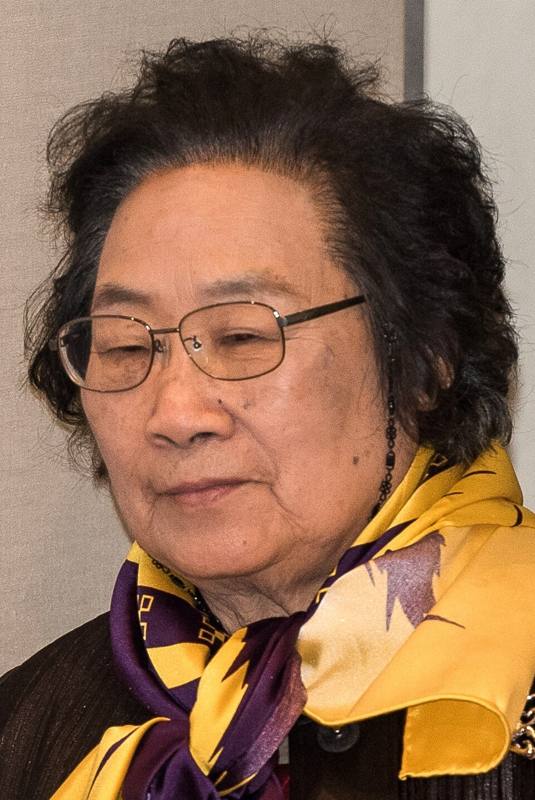 Same disease or problem1972Tu Youyou and artemisininLi treated periodic fevers with qinghao, the herb from which artemisinin was extracted almost four centuries later. Tu Youyou's story shows how her team turned the old herb into a malaria drug now used worldwide.Read this moment
-
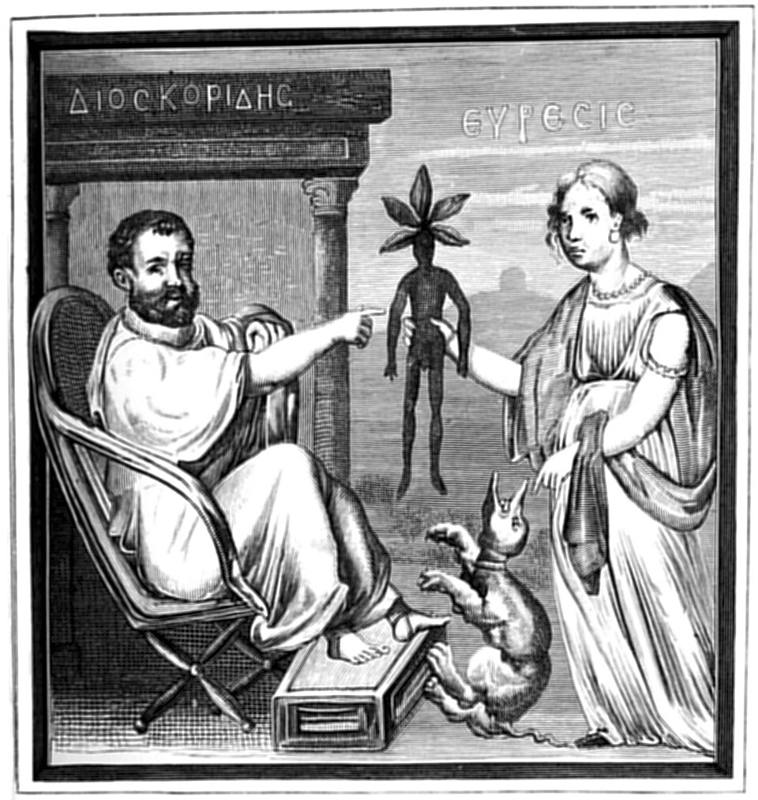 Same disease or problemc. 65 CEDioscorides' De Materia MedicaBoth are great drug references, Li Shizhen with 1,892 kinds of medicines and Dioscorides with about 600 plants. Dioscorides shows the Greek equivalent, the main drug reference in Europe and the Middle East for sixteen centuries.Read this moment