Infectious Disease
1549
Earliest Record of Smallpox Inoculation in China
A Chinese book first published in 1549 holds the earliest written discussion of variolation in China, giving a child a mild case of smallpox by blowing scab material up the nose; the practice was probably older, and where inoculation began remains unsettled.
Key people
- Joseph Needham
- Historian of Chinese science who studied the origins of inoculation
Source
No one knows who first gave a child smallpox on purpose to protect it. The earliest written discussion of the practice in China appears in a book first published in 1549. Its author commented that inoculation might bring on menstruation, a remark that led the historian Joseph Needham to conclude that the practice was already well known, if seldom written about.
Chinese inoculators blew smallpox material up the child's nose. Some ground dry scabs to powder, some soaked the scabs in water, and some put fluid from a pustule on a cotton plug and placed it in the nostril. The child then had a mild form of smallpox and became immune. An essay published by the National Library of Medicine judges that this nasal method was probably no more dangerous than the skin inoculation used in Turkey and later in Britain, and notes that in China it met no opposition from the church or the medical profession.
Much of the early history stayed hidden. Later Chinese writers complained that inoculators would not reveal their secrets, and Needham recorded an oral tradition that a Taoist or Buddhist monk, or possibly a nun, invented the method around AD 1000. The James Lind Library concludes that it is difficult to establish what was happening in China, or when it began. It finds no evidence in ancient Indian texts for the claim that India practiced inoculation for thousands of years, and it argues that the similar methods used in India and the Ottoman Empire point to a shared origin, possibly Arab, before about 1550.
Europe learned the practice by another route and another technique. In Turkey inoculators scratched smallpox pus into the skin, and Europeans and Americans also inoculated through a puncture in the skin. The method had reached Constantinople by about 1650 and arrived in Britain and Massachusetts in 1721.
Keep exploring
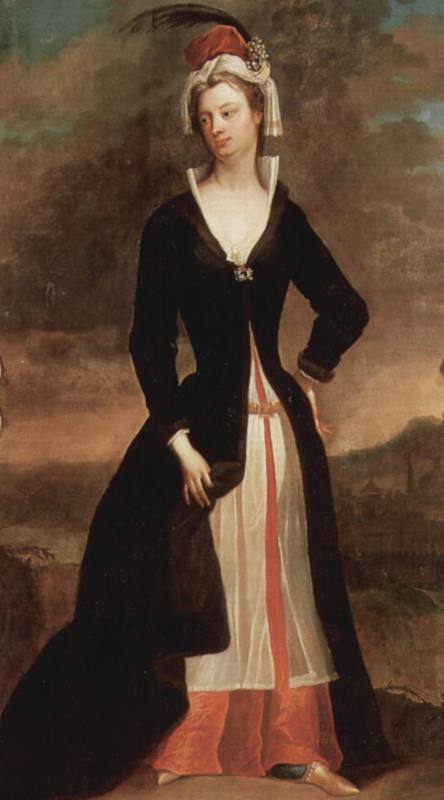 Read next · same disease or problem
Smallpox Inoculation in London and Boston (1721)
Chinese inoculators blew smallpox scabs up the nose, while Europe learned to scratch the material into the skin. The 1721 story shows that method arriving in London and Boston, with death counts showing it far safer than natural smallpox.
Read this moment
Read next · same disease or problem
Smallpox Inoculation in London and Boston (1721)
Chinese inoculators blew smallpox scabs up the nose, while Europe learned to scratch the material into the skin. The 1721 story shows that method arriving in London and Boston, with death counts showing it far safer than natural smallpox.
Read this moment
 Today on The Clinical Times
Love to Dream recalls portable baby sound machine over fire and burn risk
Love to Dream has recalled its portable Sleep Machine because its lithium-ion battery can overheat while charging with an incompatible charger, creating a risk of fire and burns.
Read today’s top stories
Today on The Clinical Times
Love to Dream recalls portable baby sound machine over fire and burn risk
Love to Dream has recalled its portable Sleep Machine because its lithium-ion battery can overheat while charging with an incompatible charger, creating a risk of fire and burns.
Read today’s top stories
All 526 moments in the history of medicine. This one is in chapter 3, Anatomy and observation
Connected moments
How this moment links to others in the history of medicine, and what you will find in each.
-
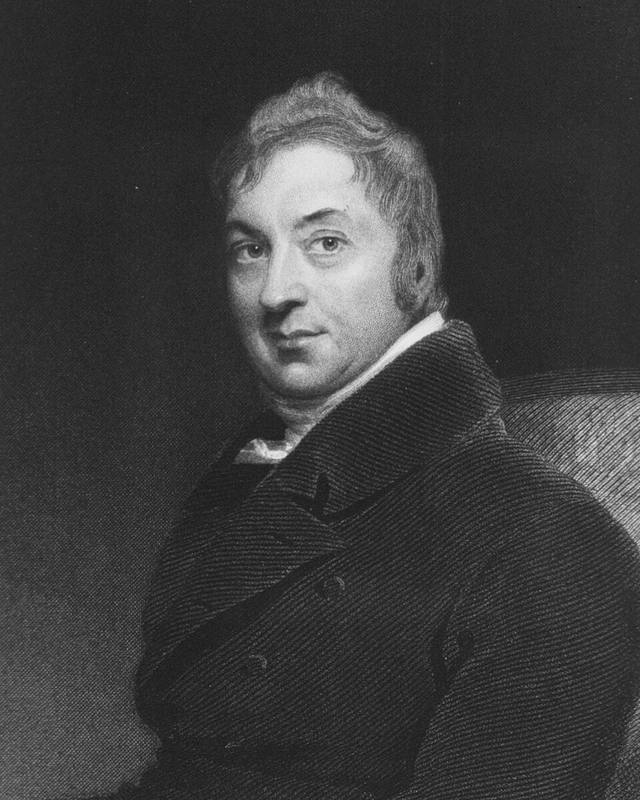 Same disease or problem1796Jenner's smallpox vaccination (cowpox inoculation)Chinese inoculation gave a mild case of smallpox itself to make a child immune. Jenner's story shows the safer step that followed, inoculating cowpox instead.Read this moment
-
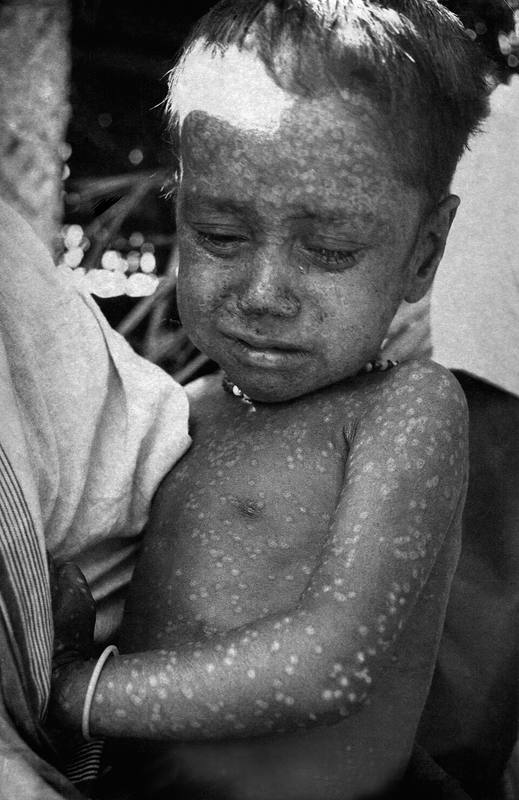 Same disease or problem1980Global Eradication of SmallpoxInoculation was one of the earliest ways people fought smallpox, recorded in China by 1549. The eradication story shows how that long fight ended in 1980, with the disease declared eradicated worldwide.Read this moment