Infectious Disease
1721
Smallpox Inoculation in London and Boston
In 1721 deliberate smallpox inoculation entered practice in England and in Boston, and the death counts that followed, 6 of 247 inoculated in Boston, gave early numerical evidence that it was far safer than catching smallpox naturally.
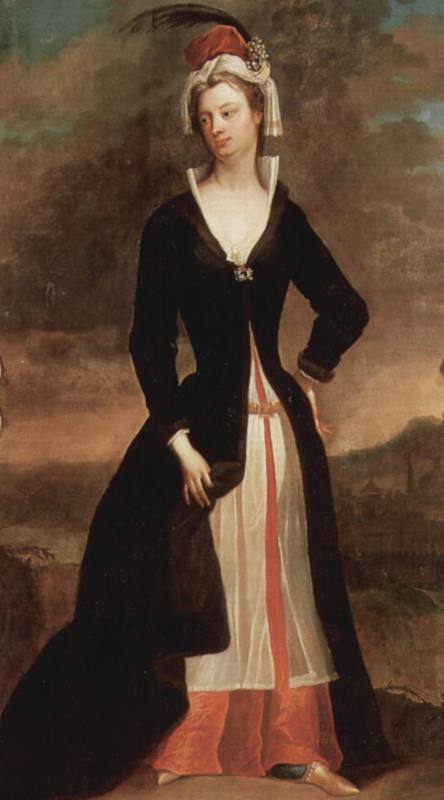
Key people
- Lady Mary Wortley Montagu
- Learned of inoculation in Constantinople and promoted it in England
- Onesimus
- Enslaved African man from whom Cotton Mather learned of inoculation
- Zabdiel Boylston
- Boston physician who inoculated 247 people in 1721 and 1722
- James Jurin
- Royal Society secretary who compared inoculation deaths with natural smallpox
Source
Lady Mary Wortley Montagu, wife of the British ambassador at Constantinople, learned of inoculation there in 1717 and had her son inoculated by an old Greek practitioner. The idea was to give a healthy person a mild case of smallpox on purpose, by putting smallpox matter under the skin. Back in England, in April 1721, she asked Charles Maitland, a Scottish surgeon who had been with her in Constantinople, to inoculate her daughter.
London went on carefully. At the urging of Montagu and the Princess of Wales, several prisoners and abandoned children were inoculated in 1721 and, months later, deliberately exposed to smallpox. None of them caught it. The procedure was judged safe and members of the royal family were inoculated. For a while Maitland was the only inoculator.
Boston tried it in the middle of an epidemic. Cotton Mather had learned of inoculation from Onesimus, an African man he held as a slave, and had read reports of it in the Royal Society's Philosophical Transactions. He publicized the method, and when smallpox broke out in Boston in 1721 the physician Zabdiel Boylston began inoculating, with Mather's support. Of 247 people Boylston inoculated in 1721 and 1722, 6 died.
The argument then turned on numbers. Boylston took his figures to the Royal Society in London in 1725 and published them the following year. James Jurin, a physician and mathematician who was secretary of the Society, gathered reports from inoculators. In a letter printed in Philosophical Transactions he estimated that one in five or six people of all ages who caught smallpox naturally died of it, against one in sixty of those inoculated as in New England. Inoculation still carried risks. A patient could die of it, and the mild case could spread smallpox to others.
Keep exploring
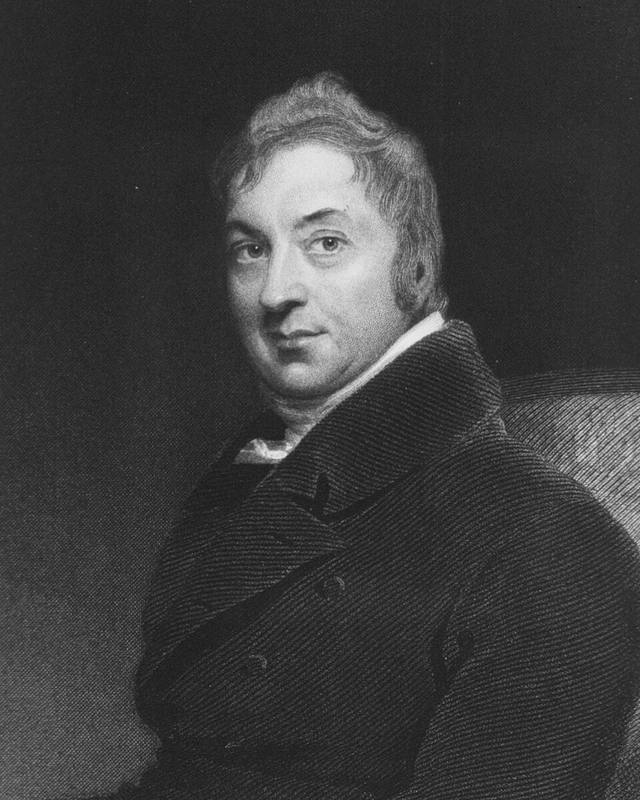 Read next · led to
Jenner's smallpox vaccination (cowpox inoculation) (1796)
Inoculation with smallpox usually gave immunity but killed 1 to 2 percent of those treated. Jenner's story shows the safer answer, cowpox, and the start of vaccination.
Read this moment
Read next · led to
Jenner's smallpox vaccination (cowpox inoculation) (1796)
Inoculation with smallpox usually gave immunity but killed 1 to 2 percent of those treated. Jenner's story shows the safer answer, cowpox, and the start of vaccination.
Read this moment
 Today on The Clinical Times
Love to Dream recalls portable baby sound machine over fire and burn risk
Love to Dream has recalled its portable Sleep Machine because its lithium-ion battery can overheat while charging with an incompatible charger, creating a risk of fire and burns.
Read today’s top stories
Today on The Clinical Times
Love to Dream recalls portable baby sound machine over fire and burn risk
Love to Dream has recalled its portable Sleep Machine because its lithium-ion battery can overheat while charging with an incompatible charger, creating a risk of fire and burns.
Read today’s top stories
All 526 moments in the history of medicine. This one is in chapter 3, Anatomy and observation
Connected moments
How this moment links to others in the history of medicine, and what you will find in each.
- Same disease or problem1549Earliest Record of Smallpox Inoculation in ChinaChina inoculated by blowing smallpox scabs up the nose, while Montagu brought the Turkish skin method to London. The Chinese story shows the earliest written record of the practice and the unsettled question of where it began.Read this moment
-
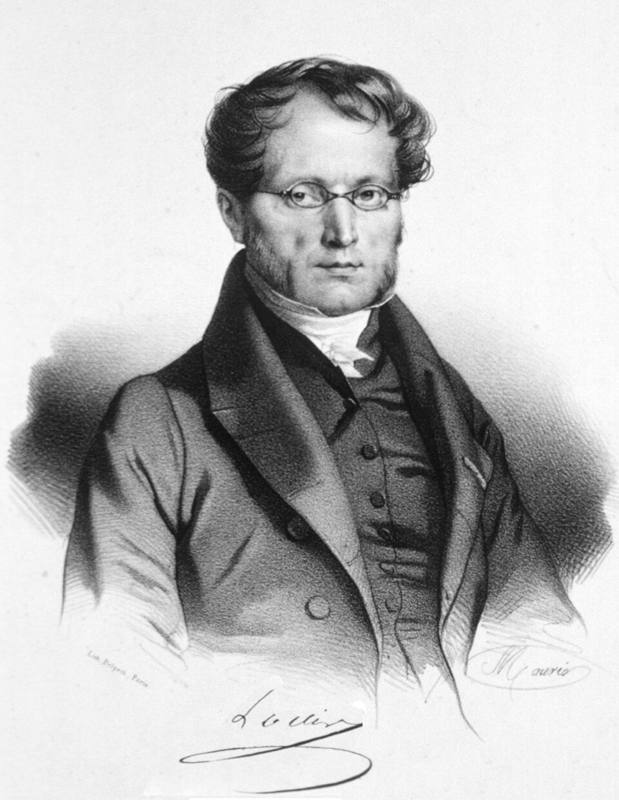 Same disease or problem1835Louis's numerical study of bloodlettingThe inoculation debate turned on numbers, deaths among the inoculated against deaths from natural smallpox. Louis's story shows the same counting used to test bloodletting, which turned out to save no lives in pneumonia.Read this moment
-
 Same disease or problemc. 1956The Willowbrook hepatitis studiesLondon tested inoculation by deliberately exposing prisoners and abandoned children to smallpox. The Willowbrook story shows researchers deliberately infecting children with hepatitis, which became a standard case in medical ethics.Read this moment