Public Health
1700
Ramazzini's Diseases of Workers
Bernardino Ramazzini described in detail the diseases of workers in some 40 occupations and argued that workers should be told of the hazards of their trades and protected from them.

Key people
- Bernardino Ramazzini
- Professor of medicine at Modena and Padua who wrote De morbis artificum
Source
Ramazzini B. De morbis artificum diatriba. Modena: A. Capponi, 1700. (opens in a new tab)
Bernardino Ramazzini went to see the work for himself. The Collegium Ramazzini, the occupational health body that bears his name, credits him with showing by his own example why a physician should talk directly with working people and visit their workplaces to find out what was making them ill.
He was born in Carpi, in the province of Modena, on 4 October 1633, and took his doctorate in philosophy and medicine at Parma in 1659. In 1682 he was given the chair of medicine at the reopened University of Modena, where he taught for 18 years. In 1700 he moved to the chair of practical medicine at Padua, and the same year his treatise on the diseases of workers was printed at Modena by A. Capponi.
De morbis artificum diatriba described in detail the diseases of workers in 40 occupations, and the Collegium calls it the first comprehensive work on occupational disease. Ramazzini stressed that workers needed proper information about the hazards they faced, and he proposed practical measures to protect them from illness and injury. He also noticed patterns outside the workshop. The Royal Society of Chemistry notes his observation that nuns seemed to be spared cancer of the cervix but had more breast cancer than average, which he put down to their celibate life.
An English translation, A Treatise of the Diseases of Tradesmen, appeared in 1705. The Collegium regards Ramazzini as the father of occupational medicine and credits him with anticipating modern methods of following changes in health and detecting unusual events. He died in 1714, at the age of 81.
Keep exploring
 Read next · led to
Pott's account of chimney sweeps' cancer (1775)
Pott's chapter on chimney sweeps' cancer opens with Ramazzini's book on the diseases of workers. Pott's story shows the first published description of a cancer caused by a person's work.
Read this moment
Read next · led to
Pott's account of chimney sweeps' cancer (1775)
Pott's chapter on chimney sweeps' cancer opens with Ramazzini's book on the diseases of workers. Pott's story shows the first published description of a cancer caused by a person's work.
Read this moment
 Today on The Clinical Times
Love to Dream recalls portable baby sound machine over fire and burn risk
Love to Dream has recalled its portable Sleep Machine because its lithium-ion battery can overheat while charging with an incompatible charger, creating a risk of fire and burns.
Read today’s top stories
Today on The Clinical Times
Love to Dream recalls portable baby sound machine over fire and burn risk
Love to Dream has recalled its portable Sleep Machine because its lithium-ion battery can overheat while charging with an incompatible charger, creating a risk of fire and burns.
Read today’s top stories
All 526 moments in the history of medicine. This one is in chapter 3, Anatomy and observation
Connected moments
How this moment links to others in the history of medicine, and what you will find in each.
-
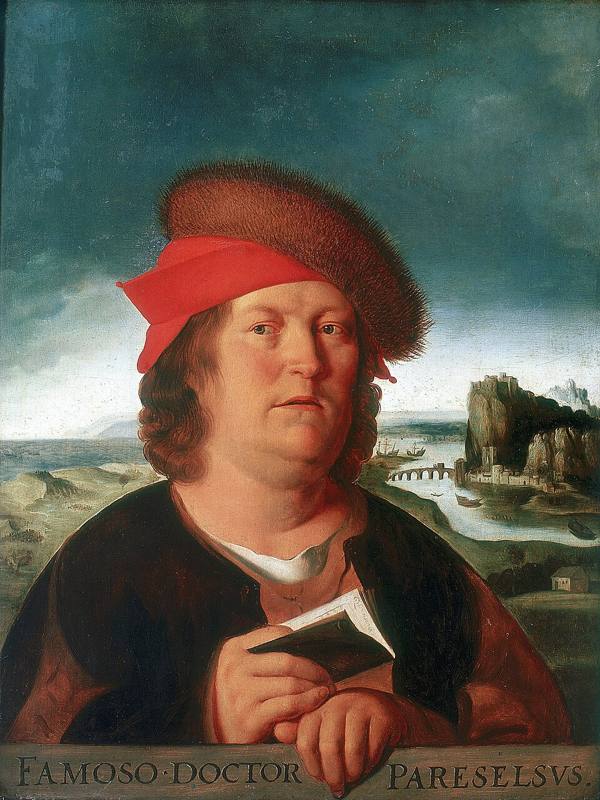 Same disease or problemc. 1527Paracelsus and chemical medicineParacelsus had blamed miners' disease on breathing metal vapors, and Ramazzini described the diseases of 40 trades. The Paracelsus story shows a rebel physician who also held that the dose makes the poison.Read this moment
-
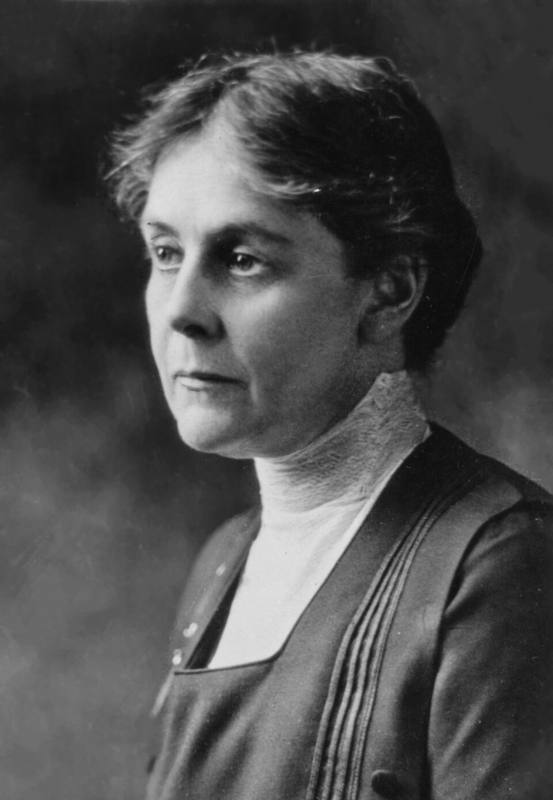 Same disease or problem1910Alice Hamilton and industrial toxicologyBoth went into workplaces to find what was making workers ill. Alice Hamilton's story shows lead poisoning traced through factory visits and worker interviews, leading to new state laws.Read this moment
-
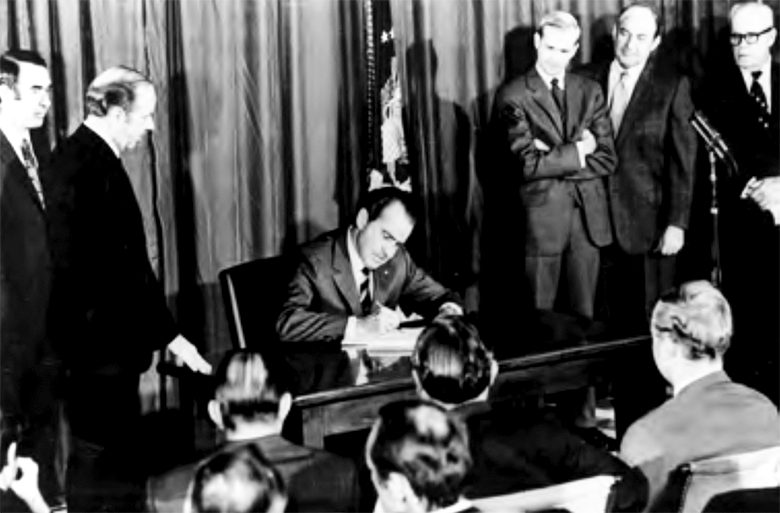 Same disease or problem1970The Occupational Safety and Health Act of 1970Ramazzini argued that workers should be told of hazards and protected from them, and in 1970 the United States wrote that into law. The act's story shows federal standards set and enforced for workplace safety.Read this moment