Foundational Discovery
c. 1527
Paracelsus and chemical medicine
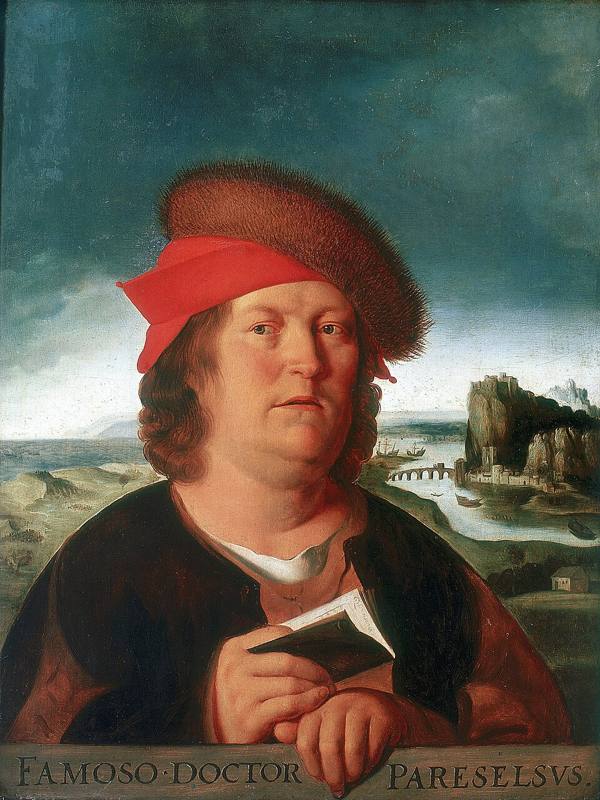
At Basel in 1527 Paracelsus attacked Galenic humoral medicine and argued for remedies made by chemistry, including metals and a tincture of opium. His dictum that the dose decides whether a substance is a poison anticipated the threshold idea of modern toxicology.
Key people
- Paracelsus
- Swiss physician and alchemist who championed chemical remedies
- Johann Froben
- Basel publisher whose cure helped win Paracelsus his post
Source
Theophrastus von Hohenheim (1493 to 1541), known as Paracelsus, was born in Einsiedeln in Switzerland, the son of a physician who taught him alchemy, surgery and medicine. His own stories about his life are not always reliable; he claimed to have studied at Ferrara, but no record confirms it. He worked as a military surgeon with Dutch and Venetian armies and practiced in Salzburg, which he fled after being accused of treating peasants who had revolted against the authorities.
In 1527 he treated a leg infection of the Basel publisher Johann Froben, and that June the city appointed him town physician, a post that carried a university professorship. The medical faculty held to Galen's humoral theory, with its purging and bloodletting, and denied him a lecture room. He advertised lectures open to the public on 5 June 1527, gave them in German instead of Latin, and three weeks later burned the writings of Galen and Avicenna in front of the university authorities. By 1528, with Froben dead, he had fallen out with the city's doctors, apothecaries and magistrates and had to leave.
Paracelsus urged physicians to read the book of nature and to use remedies that attacked a disease instead of rebalancing the humors. He used iron, sulfur, mercury, arsenic and antimony, and made an alcoholic tincture of opium that he called laudanum. He blamed miners' disease on breathing metal vapors, not on spirits punishing sin. His Great Surgery Book appeared in 1536, but most of his work was printed only after his death, in ten volumes at Basel in 1589 to 1591, and the first London Pharmacopoeia of 1618 acknowledged his chemical remedies.
He also held that remedy and poison could be the same substance. In the translation quoted by Philippe Grandjean of the University of Southern Denmark, he wrote that solely the dose determines that a thing is not a poison. In his day, Grandjean notes, toxicology dealt mainly with poisoning at work and with side effects of drugs such as mercury, and the dictum anticipated today's ideas of thresholds and no-adverse-effect levels. Paracelsus died at the White Horse Inn in Salzburg in 1541.
Keep exploring
 Read next · built on
Galen's experimental anatomy and physiology (c. 170 CE)
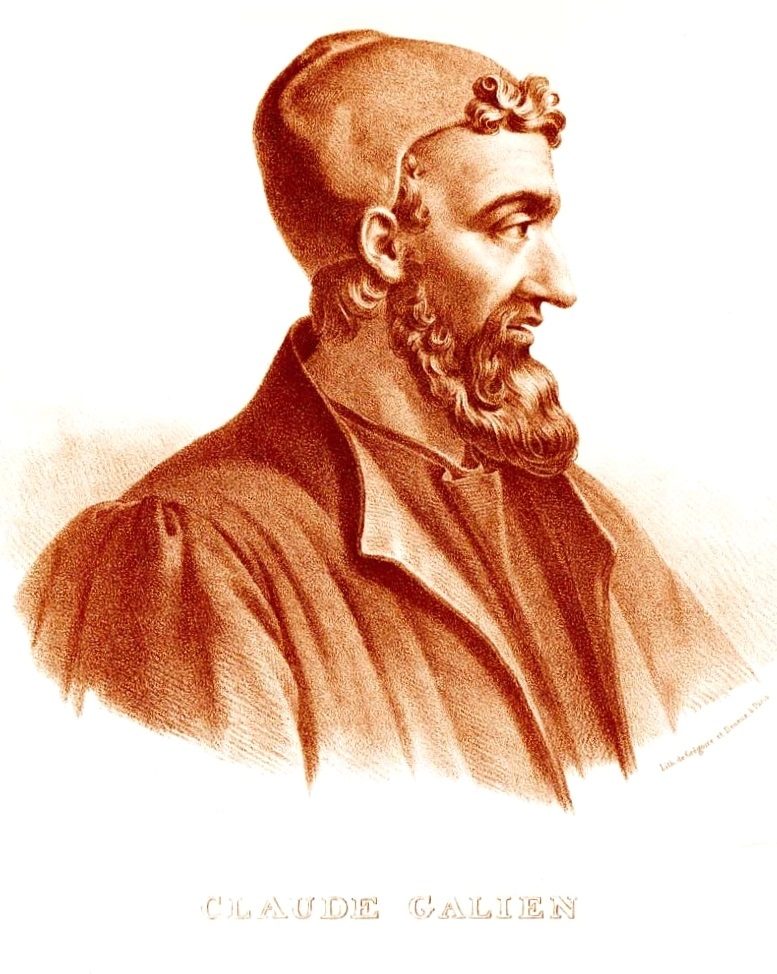
Paracelsus attacked Galen's humoral medicine and burned Galen's writings at Basel. Galen's story shows the authority he was defying, whose theories had hardened into dogma over fifteen centuries.
Read this moment
Read next · built on
Galen's experimental anatomy and physiology (c. 170 CE)
Paracelsus attacked Galen's humoral medicine and burned Galen's writings at Basel. Galen's story shows the authority he was defying, whose theories had hardened into dogma over fifteen centuries.
Read this moment
 Today on The Clinical Times
Love to Dream recalls portable baby sound machine over fire and burn risk
Love to Dream has recalled its portable Sleep Machine because its lithium-ion battery can overheat while charging with an incompatible charger, creating a risk of fire and burns.
Read today’s top stories
Today on The Clinical Times
Love to Dream recalls portable baby sound machine over fire and burn risk
Love to Dream has recalled its portable Sleep Machine because its lithium-ion battery can overheat while charging with an incompatible charger, creating a risk of fire and burns.
Read today’s top stories
All 526 moments in the history of medicine. This one is in chapter 3, Anatomy and observation
Connected moments
How this moment links to others in the history of medicine, and what you will find in each.
-
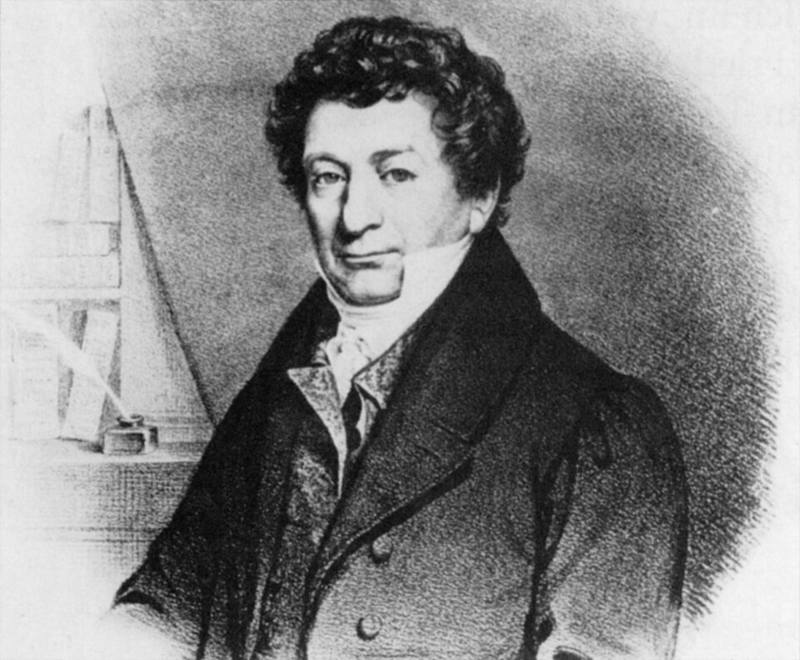 Same disease or problemc. 1805Sertürner's isolation of morphineParacelsus made laudanum from opium and taught that the dose makes the poison, and Sertürner later isolated morphine so doctors could give a measured dose. His story shows the first alkaloid ever isolated from a plant.Read this moment
-
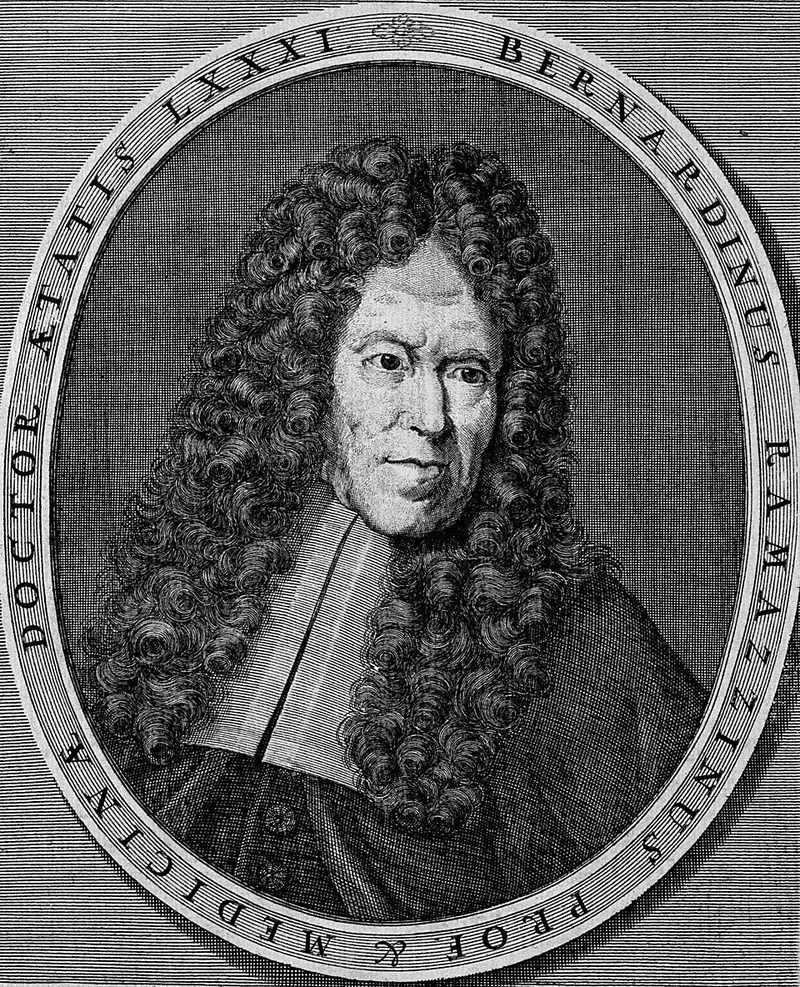 Same disease or problem1700Ramazzini's Diseases of WorkersParacelsus blamed miners' disease on breathing metal vapors, not on spirits punishing sin. Ramazzini's story shows the diseases of workers in some 40 trades described in detail, with a call to protect them.Read this moment
-
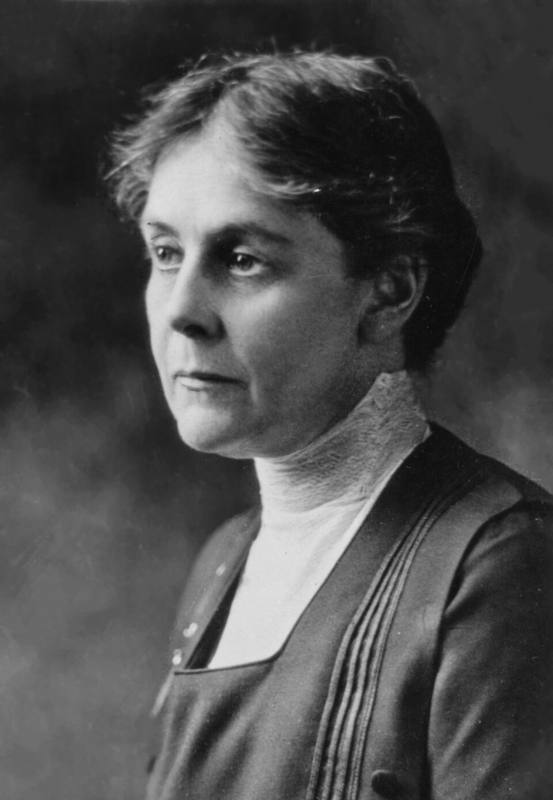 Same disease or problem1910Alice Hamilton and industrial toxicologyParacelsus's idea that the dose makes the poison underlies toxicology, and Alice Hamilton applied toxicology to industry. Her story shows lead poisoning traced through factory visits and worker interviews, leading to new state laws.Read this moment