Foundational Discovery
c. 170 CE
Galen's experimental anatomy and physiology
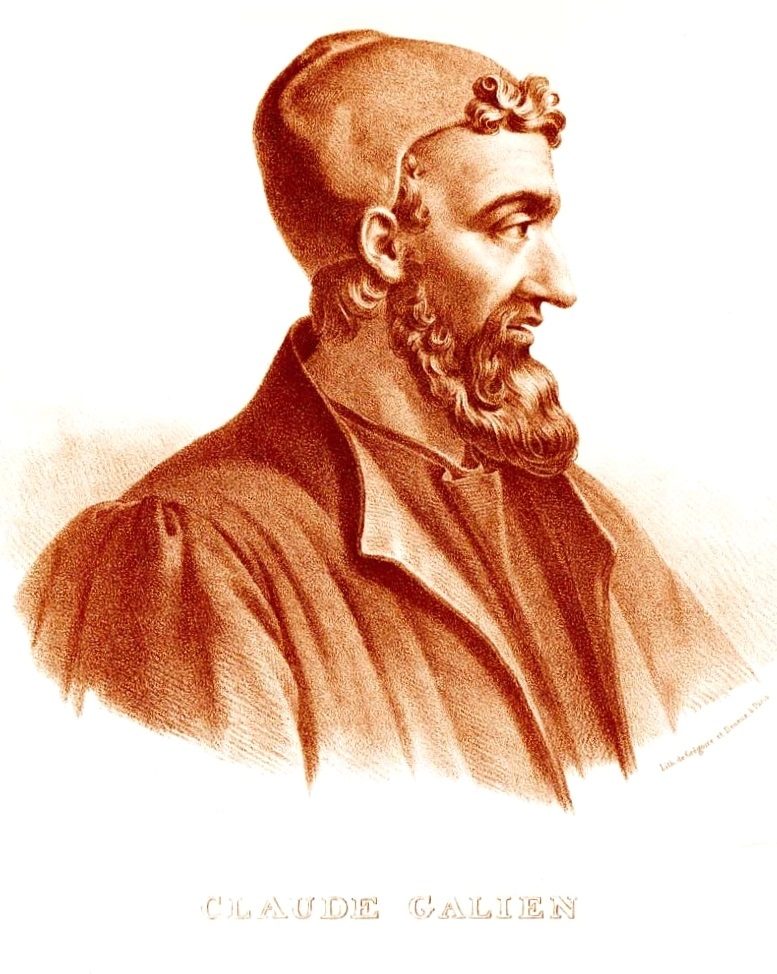
Galen of Pergamon tested the workings of the body with experiments on living animals and joined Hippocratic humoral theory to Alexandrian anatomy. His writings were treated as authoritative in Europe and the Middle East for about fifteen centuries, errors included.
Key people
- Galen of Pergamon
- Physician to Marcus Aurelius; experimenter and prolific medical author
Source
The physician Asclepiades had taught that drink reaches the bladder as vapor, soaking through its wall as if it were a sponge. Galen answered that view with an animal. He opened the belly of a living animal, tied off the two ureters and bandaged the wound. When he reopened it the bladder was empty and the ureters were swollen almost to bursting; when he loosened the ties, the bladder filled with urine. He described the demonstration in On the Natural Faculties and invited anyone who doubted it to try it for himself.
Galen was born in Pergamon in Asia Minor in 129 CE, trained in Smyrna and Alexandria, and made his name as surgeon to the gladiators of Pergamon. He was called to Rome as physician to the emperor Marcus Aurelius and spent the rest of his life at court, writing an enormous body of medical works; the National Library of Medicine gives his death as 201 CE. He built on the Hippocratic theory of the humors, took in the anatomy of Alexandrians such as Herophilus, and studied the function of the kidneys and the spinal cord by experiment.
Much of his anatomy came from animals. According to NLM's history of Islamic medicine, he argued to a large extent by analogy with animal structures, and his claim that blood passes from the right side of the heart to the left through the wall between the ventricles was rejected by Ibn al-Nafis in the 13th century.
Hunayn ibn Ishaq and other translators put Galen into Arabic, and the anatomy sections of the major Arabic and Persian encyclopedias summarized his ideas. In Europe his theories hardened into dogma. At Bologna in the early 14th century, Mondino de Luzzi read Galen's text aloud while assistants cut, and findings that did not match were explained away. NLM dates the return of Galen's own call for observation and investigation to the mid-16th century.
Keep exploring
 Read next · built on
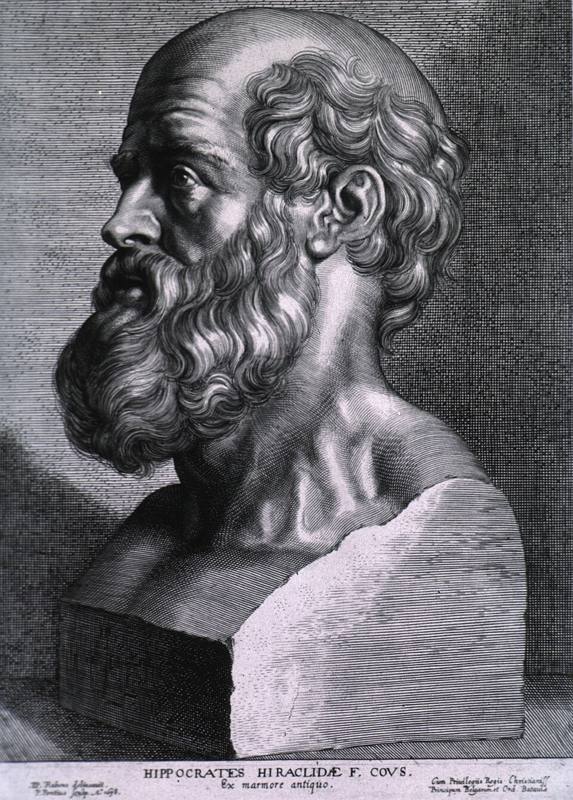
The Hippocratic Corpus (c. 400 BCE)
Galen built on the Hippocratic theory of the humors. The Corpus shows where that theory began, among Greek physicians who explained illness by diet, climate, water and the balance of the body.
Read this moment
Read next · built on
The Hippocratic Corpus (c. 400 BCE)
Galen built on the Hippocratic theory of the humors. The Corpus shows where that theory began, among Greek physicians who explained illness by diet, climate, water and the balance of the body.
Read this moment
 Today on The Clinical Times
Love to Dream recalls portable baby sound machine over fire and burn risk
Love to Dream has recalled its portable Sleep Machine because its lithium-ion battery can overheat while charging with an incompatible charger, creating a risk of fire and burns.
Read today’s top stories
Today on The Clinical Times
Love to Dream recalls portable baby sound machine over fire and burn risk
Love to Dream has recalled its portable Sleep Machine because its lithium-ion battery can overheat while charging with an incompatible charger, creating a risk of fire and burns.
Read today’s top stories
All 526 moments in the history of medicine. This one is in chapter 1, The ancient world
Connected moments
How this moment links to others in the history of medicine, and what you will find in each.
-
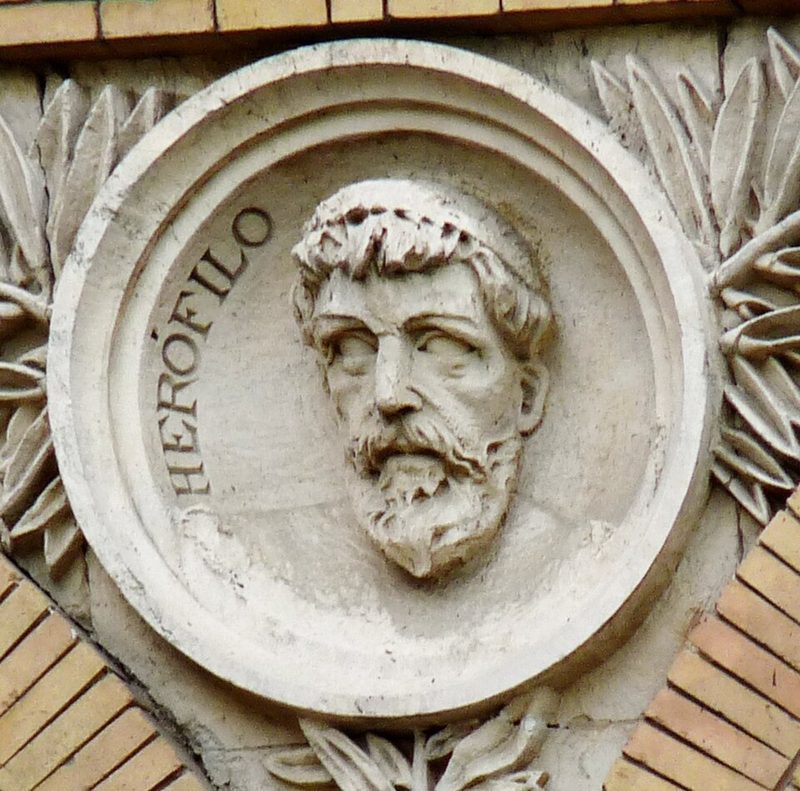 Built onc. 280 BCEHuman dissection at AlexandriaGalen took in the anatomy of Alexandrians such as Herophilus. The Alexandria story shows how that anatomy was won, by opening human bodies, reportedly including living condemned criminals.Read this moment
-
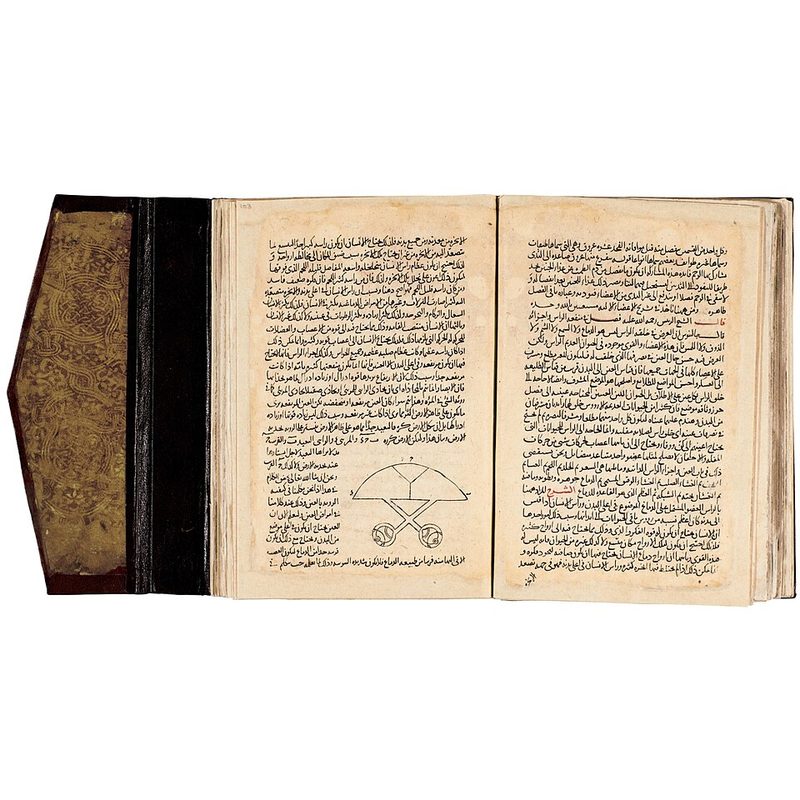 Led toc. 1242Ibn al-Nafis and the pulmonary circulationGalen taught that blood crosses the wall between the heart's ventricles, and Ibn al-Nafis rejected that claim in the 13th century. His story shows how he reasoned that blood must pass through the lungs, centuries before Europeans described it.Read this moment
-
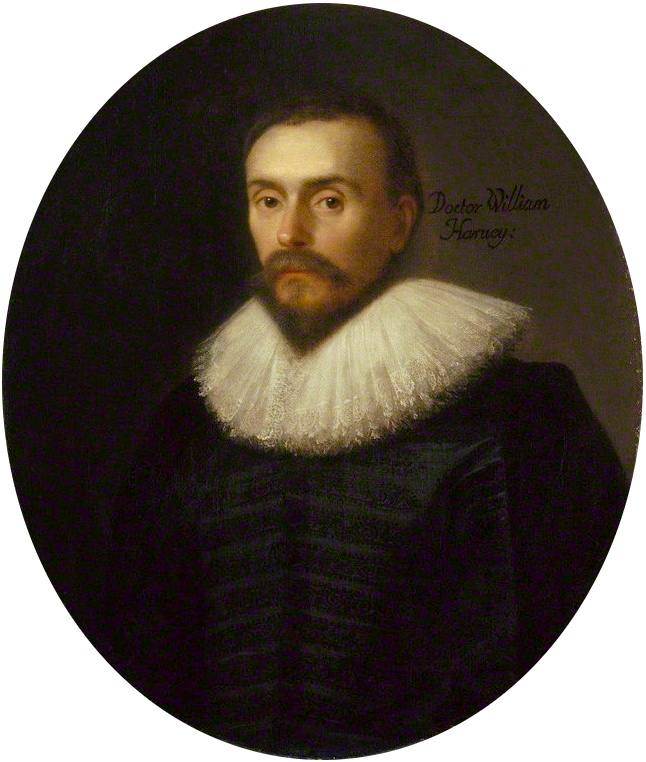 Same disease or problem1628Harvey's De Motu CordisGalen's teaching on the blood ruled for centuries until Harvey replaced it. Harvey's story shows how he proved by calculation and experiment that the heart drives the same blood around the body, instead of the liver making new blood.Read this moment