Cardiology
c. 1242
Ibn al-Nafis and the pulmonary circulation
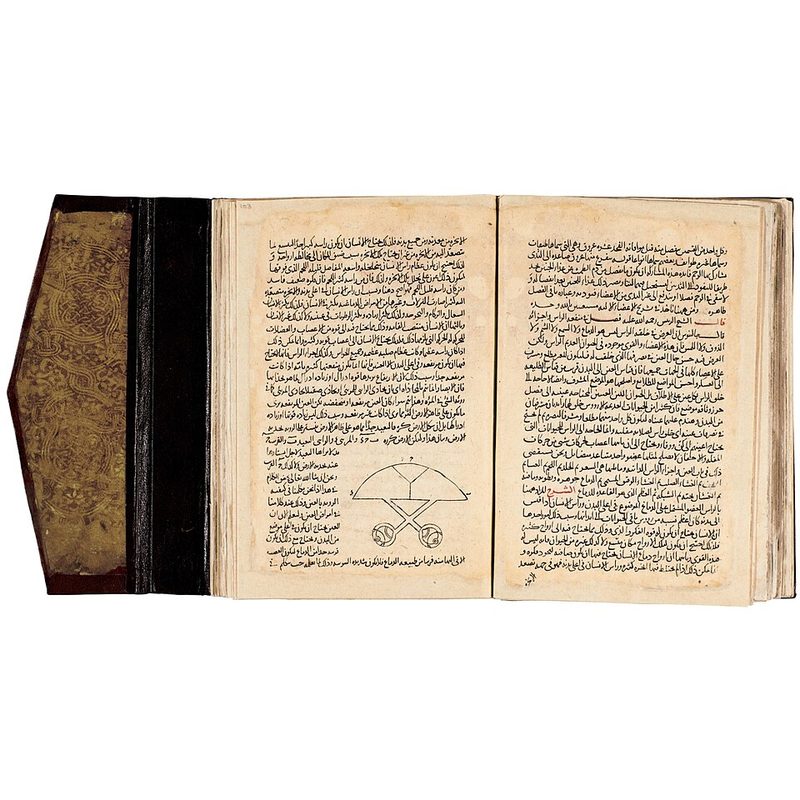
In a commentary on the anatomy of Ibn Sina's Canon, the Syrian physician Ibn al-Nafis wrote that blood from the right ventricle reaches the left only through the lungs, because the septum has no passage. Europeans described the pulmonary circulation three centuries later.
Key people
- Ibn al-Nafis
- Damascus-born physician in Cairo; described blood passing through the lungs
- Ibn Sina
- Author of the Canon, the text Ibn al-Nafis commented on
- Muhyo al-Deen el-Tatawi
- Egyptian physician who found the Berlin manuscript
Source
Galen had taught that blood crossed from the right ventricle of the heart to the left through a passage in the wall between them. Ibn al-Nafis rejected this in his Commentary on Anatomy in Avicenna's Canon, which he published when he was 29. There is no passage between the two cavities, he wrote, visible or invisible. Blood from the right ventricle must reach the left by way of the lungs. He added that there must be small openings, which he called manafidh, between the pulmonary artery and the pulmonary vein, 400 years before Marcello Malpighi found the pulmonary capillaries.
He was born in or near Damascus in 1213 and studied medicine at the Nuri hospital there. At 23 he moved to Cairo, worked at the Nasiri hospital and then at the Mansuri, and became its chief physician. He was also an authority on religious law and a specialist in eye disease. His Concise Book, a digest of Ibn Sina's Canon, became the most popular of all the epitomes of that work. He wrote a separate commentary on the anatomy because Ibn Sina had scattered it through different sections of the Canon. When he died in 1288 he left his house and library to the Mansuri hospital.
A copy of the anatomical sections of the Canon finished by an unnamed scribe on 13 July 1584, now in the National Library of Medicine, has marginal notes that quote his commentary. They call him al-Qurashi, the name by which earlier writers knew him. His fellow student Ibn Abi Usaybi'a left him out of a biographical dictionary of more than 380 physicians, although it gave two chapters to contemporaries in Syria and Egypt; Emilie Savage-Smith of Oxford guessed at a rivalry between the two men.
In Europe the passage of blood through the lungs was described three centuries later by Michael Servetus, in 1553, and by Realdo Colombo, who died in 1559. Andrea Alpago's Latin translation of 1547 was of a different work by Ibn al-Nafis, a commentary on compound drugs, and apparently said nothing about the pulmonary transit. Muhyo al-Deen el-Tatawi, a young Egyptian physician, came across a manuscript in the Prussian State Library in Berlin and translated its account of the pulmonary circulation for his medical dissertation at Freiburg in 1924.
Keep exploring
 Read next · built on
Ibn Sina's Canon of Medicine (c. 1024)
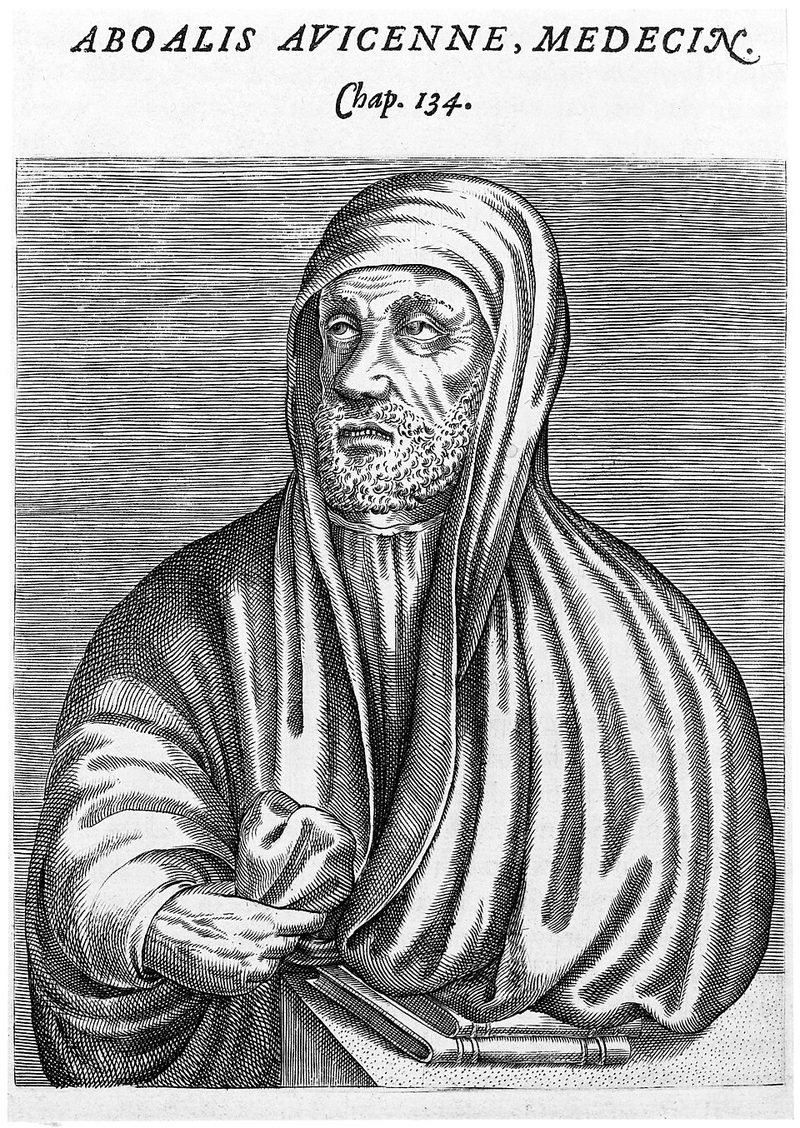
Ibn al-Nafis made his discovery in a commentary on the anatomy of Ibn Sina's Canon. The Canon shows the five book encyclopedia he was commenting on, with rules for testing remedies on people, taught from Persia to Europe.
Read this moment
Read next · built on
Ibn Sina's Canon of Medicine (c. 1024)
Ibn al-Nafis made his discovery in a commentary on the anatomy of Ibn Sina's Canon. The Canon shows the five book encyclopedia he was commenting on, with rules for testing remedies on people, taught from Persia to Europe.
Read this moment
 Today on The Clinical Times
Love to Dream recalls portable baby sound machine over fire and burn risk
Love to Dream has recalled its portable Sleep Machine because its lithium-ion battery can overheat while charging with an incompatible charger, creating a risk of fire and burns.
Read today’s top stories
Today on The Clinical Times
Love to Dream recalls portable baby sound machine over fire and burn risk
Love to Dream has recalled its portable Sleep Machine because its lithium-ion battery can overheat while charging with an incompatible charger, creating a risk of fire and burns.
Read today’s top stories
All 526 moments in the history of medicine. This one is in chapter 2, The medieval world
Connected moments
How this moment links to others in the history of medicine, and what you will find in each.
-
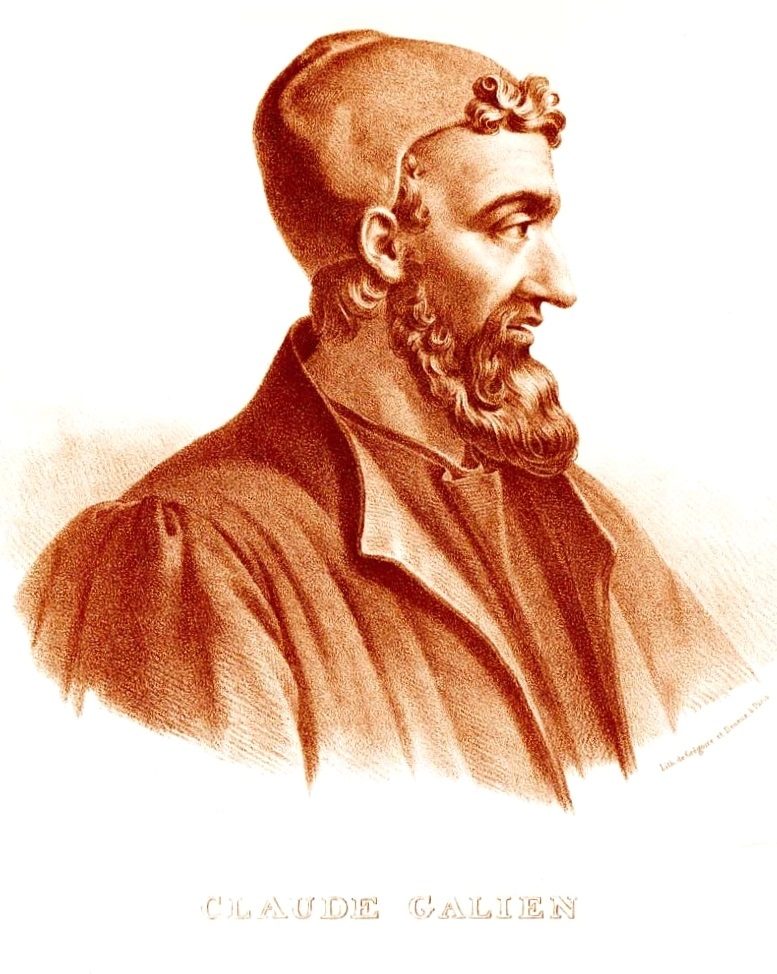 Built onc. 170 CEGalen's experimental anatomy and physiologyIbn al-Nafis rejected Galen's teaching that blood crosses the wall between the heart's ventricles. Galen's story shows where that idea came from, anatomy argued largely by analogy with animals.Read this moment
-
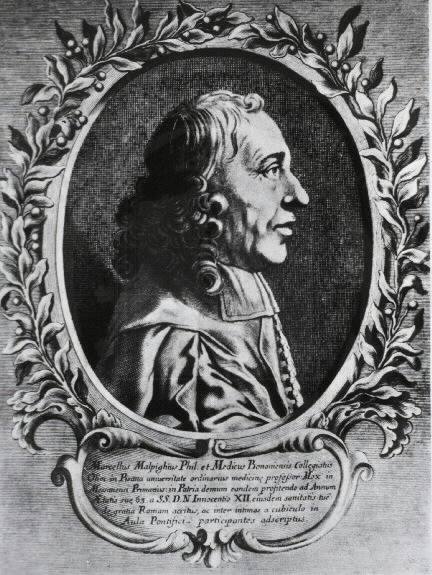 Same disease or problem1661Malpighi's Discovery of the CapillariesIbn al-Nafis said there must be small openings between the lung's artery and vein, and Malpighi saw them 400 years later. His story shows the lung capillaries found under the microscope, the link Harvey's circulation needed.Read this moment
-
 Same disease or problem1628Harvey's De Motu CordisBoth challenged Galen's account of the blood, Ibn al-Nafis for the passage through the lungs and Harvey for the whole circuit. Harvey's story shows how calculation and experiment proved that the heart drives the same blood around the body.Read this moment