Foundational Discovery
c. 1190
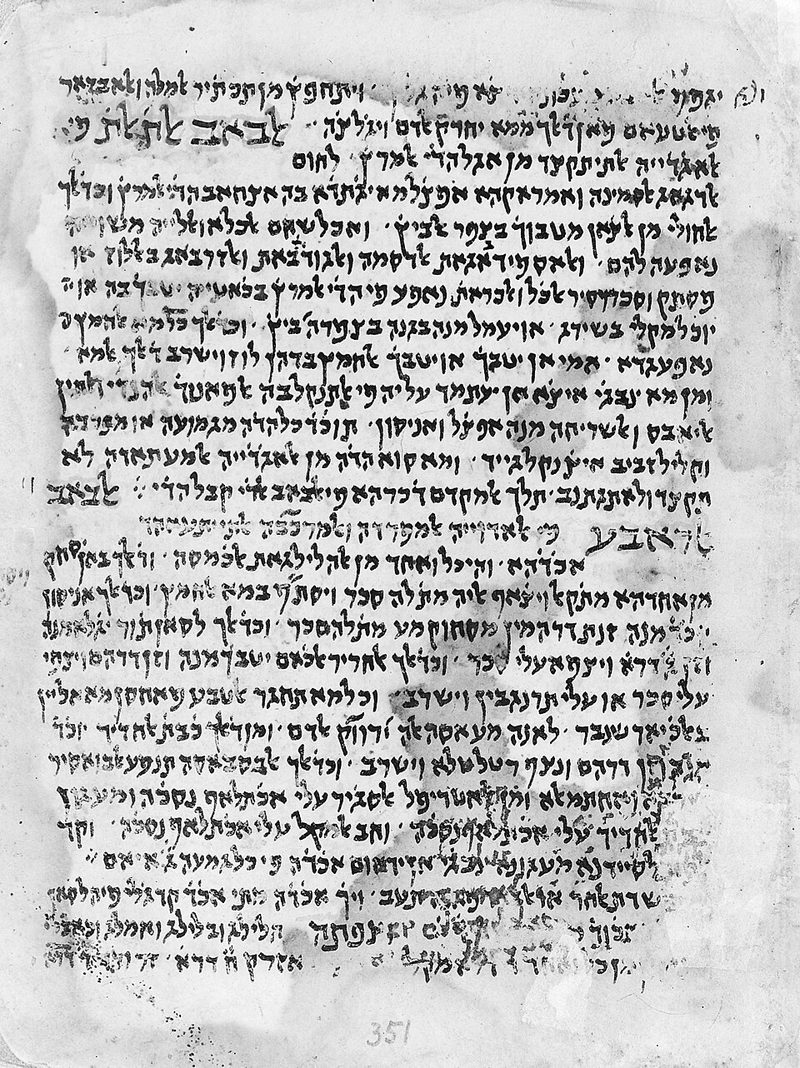
Maimonides's medical writings
Maimonides, physician to Egypt's rulers, wrote ten medical works in Arabic, including 1,500 Medical Aphorisms, a Regimen of Health and a treatise on poisons. The Aphorisms and the Regimen were translated into Hebrew and Latin in the thirteenth century.
Key people
- Moses Maimonides
- Jewish philosopher and court physician in Egypt; author of ten medical works
- Saladin
- Sultan of Egypt; his vizier and later his son were Maimonides's patients
- Samuel ibn Tibbon
- Translator to whom Maimonides described his medical workload in 1199
Source
In 1199 Moses Maimonides described his working day in a letter to his translator, Samuel ibn Tibbon. He rode each morning from his home in Fustat to the sultan's palace in Cairo and returned in the afternoon to rooms full of waiting patients. He ate his one meal of the day and saw the sick until two hours or more after dark. Born in Córdoba in 1135 by Fred Rosner's account, he left Morocco with his family in 1165 and reached Egypt by way of Acre. There is no record of any formal medical training. He turned to medicine for a living after his father died in 1166 and his brother was lost in a shipwreck. In 1174 he became physician to the vizier who governed Egypt while Saladin was on campaign, and after Saladin died in 1193 he served Saladin's son, al-Afdal.
All ten of his medical works were written in Arabic. He made extracts from Galen and wrote a commentary on the Aphorisms of Hippocrates in which he sometimes disagreed with both Greeks. The largest, the Medical Aphorisms, gathered 1,500 aphorisms in 25 chapters, mostly from Greek writers. In one he noted that in about ten years in Egypt he had seen more than twenty people with what reads as diabetes, though he had never met it in the West, and wondered whether Nile water played a part. A Latin translation was printed in Bologna in 1489.
Most of the rest answered particular patients. A treatise on hemorrhoids, written for a young man of a prominent family, advised against cutting them out except in severe cases because the causes would remain. A discourse on asthma recommended the dry Egyptian climate and warned against very powerful remedies. For al-Afdal he wrote the Regimen of Health in 1198, with a chapter linking the health of the body to that of the mind, and in 1200 a daily regimen set out hour by hour. Others dealt with sexual health, for Saladin's nephew, with poisons and their antidotes, and with drug names in six languages.
The "Daily Prayer of a Physician", often called the Oath of Maimonides, is a different matter. It first appeared in a German periodical, the Deutsches Museum, in 1783, presented as the work of an unnamed twelfth-century Jewish physician in Egypt. No manuscript has been found, and Rosner lists it among the works wrongly attributed to Maimonides. He died on 13 December 1204 and was buried in Tiberias.
Keep exploring
 Read next · built on
The Hippocratic Corpus (c. 400 BCE)
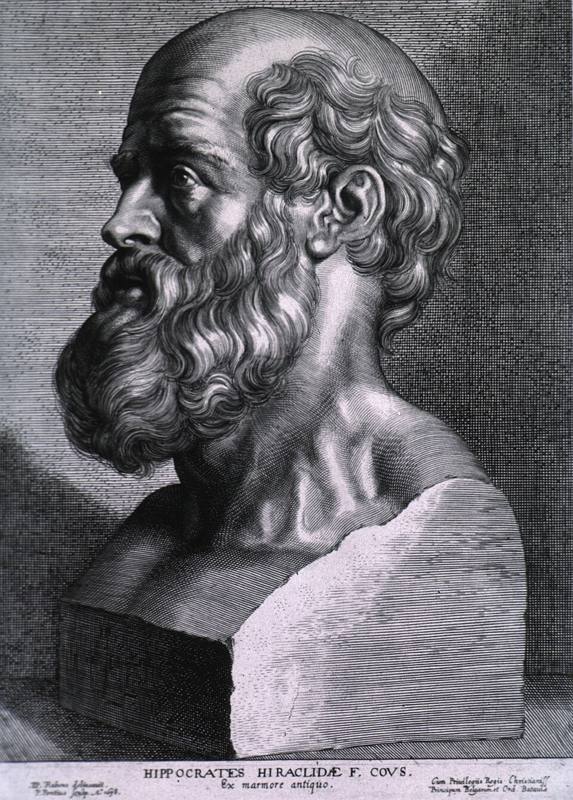
Maimonides wrote a commentary on the Aphorisms of Hippocrates, sometimes disagreeing with the Greek. The Corpus shows the texts he was answering, about 60 works that explained illness by diet, climate and the balance of the body.
Read this moment
Read next · built on
The Hippocratic Corpus (c. 400 BCE)
Maimonides wrote a commentary on the Aphorisms of Hippocrates, sometimes disagreeing with the Greek. The Corpus shows the texts he was answering, about 60 works that explained illness by diet, climate and the balance of the body.
Read this moment
 Today on The Clinical Times
Love to Dream recalls portable baby sound machine over fire and burn risk
Love to Dream has recalled its portable Sleep Machine because its lithium-ion battery can overheat while charging with an incompatible charger, creating a risk of fire and burns.
Read today’s top stories
Today on The Clinical Times
Love to Dream recalls portable baby sound machine over fire and burn risk
Love to Dream has recalled its portable Sleep Machine because its lithium-ion battery can overheat while charging with an incompatible charger, creating a risk of fire and burns.
Read today’s top stories
All 526 moments in the history of medicine. This one is in chapter 2, The medieval world
Connected moments
How this moment links to others in the history of medicine, and what you will find in each.
-
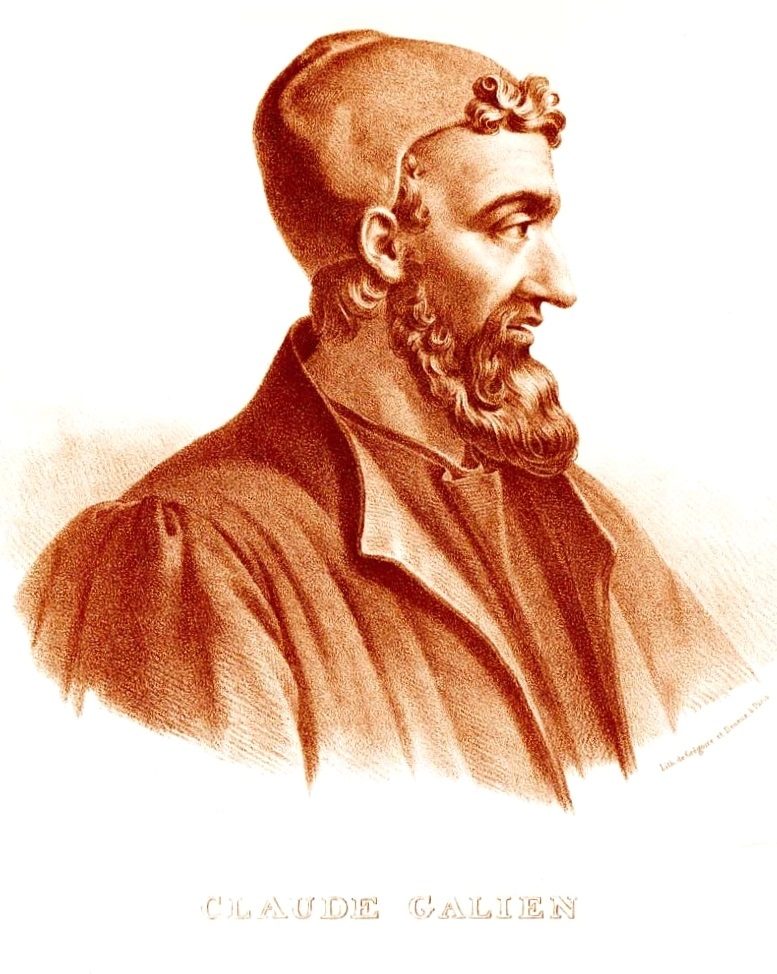 Built onc. 170 CEGalen's experimental anatomy and physiologyMaimonides made extracts from Galen and sometimes disagreed with him. Galen's story shows the experiments and anatomy behind the authority that Maimonides and other medieval physicians worked with.Read this moment
- Same disease or problem1776Dobson's experiments on diabetic urineMaimonides noticed more than twenty people in Egypt with what reads as diabetes, and Dobson later found sugar in diabetic urine and blood. His story shows an 18th century experiment that placed the sugar in the blood before the kidneys.Read this moment