Foundational Discovery
c. 400 BCE
The Hippocratic Corpus
About 60 Greek medical texts, later gathered under the name of Hippocrates, explained illness through diet, climate, water and the balance of the body, and one of them argued that epilepsy has a natural cause in the brain.
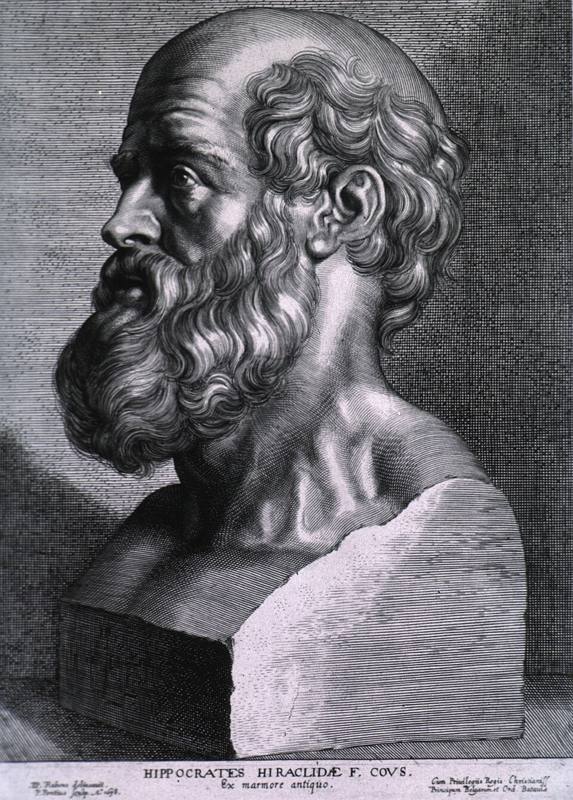
Key people
- Hippocrates of Cos
- Physician traditionally credited with the Corpus; little is known of him
Source
Almost nothing is known about Hippocrates himself. The National Library of Medicine's history of Greek medicine notes that there were probably several physicians of that name, all teachers at the medical school on the island of Cos, and that the name rose to fame in the 5th century BCE. The roughly 60 works that carry it, known as the Hippocratic Corpus, were written by several authors, probably over several centuries, and different treatises often give contradictory advice. They cover diagnosis, epidemics, obstetrics, children's illnesses, nutrition and surgery.
Their authors worked among people who called on the healing god Asclepius in prayers and temple ceremonies. The Hippocratic physicians put diet, useful drugs and the balance of the body at the center instead. One treatise, On the Sacred Disease, makes that break explicit for epilepsy. Its author scorns the healers who blamed a different god for each sign, Poseidon when the patient cried out like a horse and Ares when he foamed at the mouth and kicked, and who treated the disease with purifications and incantations. The disease, he wrote, is no more divine than any other and has a natural cause; people call it sacred out of ignorance and wonder. He placed its seat in the brain.
A second treatise, Airs, Waters, and Places, opens by telling anyone who wishes to investigate medicine properly where to begin. A physician arriving in an unfamiliar town should study the seasons and winds, how the town faces the sun, whether its water is marshy and soft or hard and drawn from high rocky ground, whether the land is wooded or bare, and whether the people eat and drink to excess or prefer exercise and work.
Galen later took up the Hippocratic theory of the humors. Most Greek medical works were lost to Western Europe after the fall of Rome, survived in Arabic translations, and came back to Europe largely through Italy in the 15th century. The first collected edition of Hippocrates in Greek came from the Aldine press in Venice in 1526, eleven years after the death of its founder, Aldus Manutius.
Keep exploring
 Read next · led to
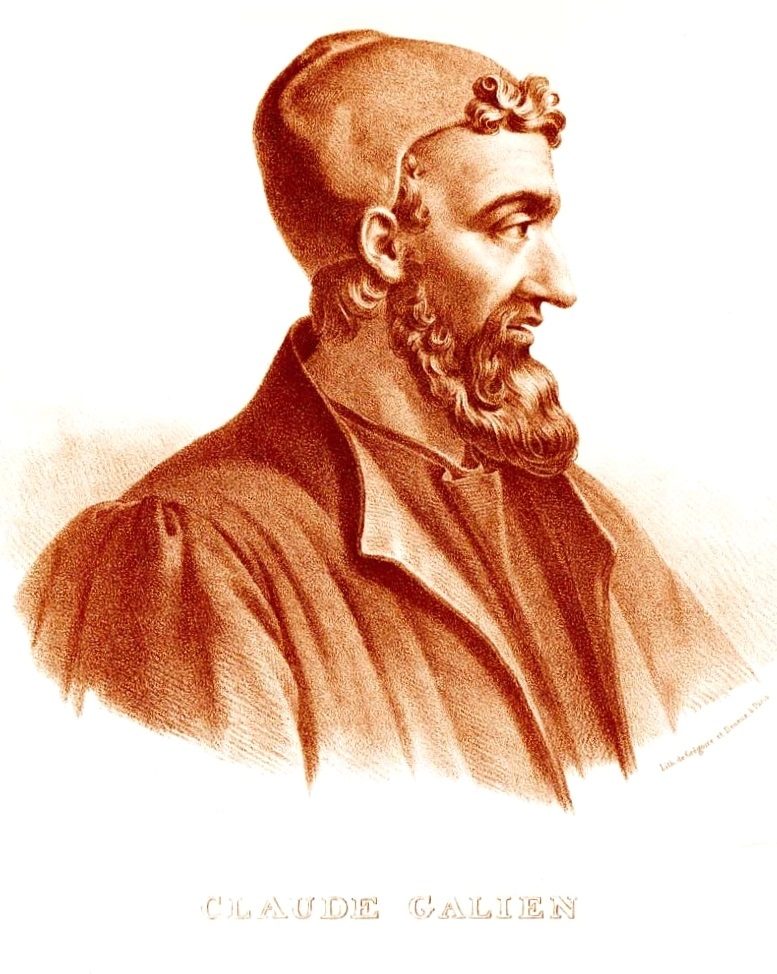
Galen's experimental anatomy and physiology (c. 170 CE)
Galen built on the Hippocratic theory of the humors and joined it to Alexandrian anatomy. His story shows how he tested the body with experiments on living animals, and how his writings ruled medicine for fifteen centuries, errors included.
Read this moment
Read next · led to
Galen's experimental anatomy and physiology (c. 170 CE)
Galen built on the Hippocratic theory of the humors and joined it to Alexandrian anatomy. His story shows how he tested the body with experiments on living animals, and how his writings ruled medicine for fifteen centuries, errors included.
Read this moment
 Today on The Clinical Times
Love to Dream recalls portable baby sound machine over fire and burn risk
Love to Dream has recalled its portable Sleep Machine because its lithium-ion battery can overheat while charging with an incompatible charger, creating a risk of fire and burns.
Read today’s top stories
Today on The Clinical Times
Love to Dream recalls portable baby sound machine over fire and burn risk
Love to Dream has recalled its portable Sleep Machine because its lithium-ion battery can overheat while charging with an incompatible charger, creating a risk of fire and burns.
Read today’s top stories
All 526 moments in the history of medicine. This one is in chapter 1, The ancient world
Connected moments
How this moment links to others in the history of medicine, and what you will find in each.
-
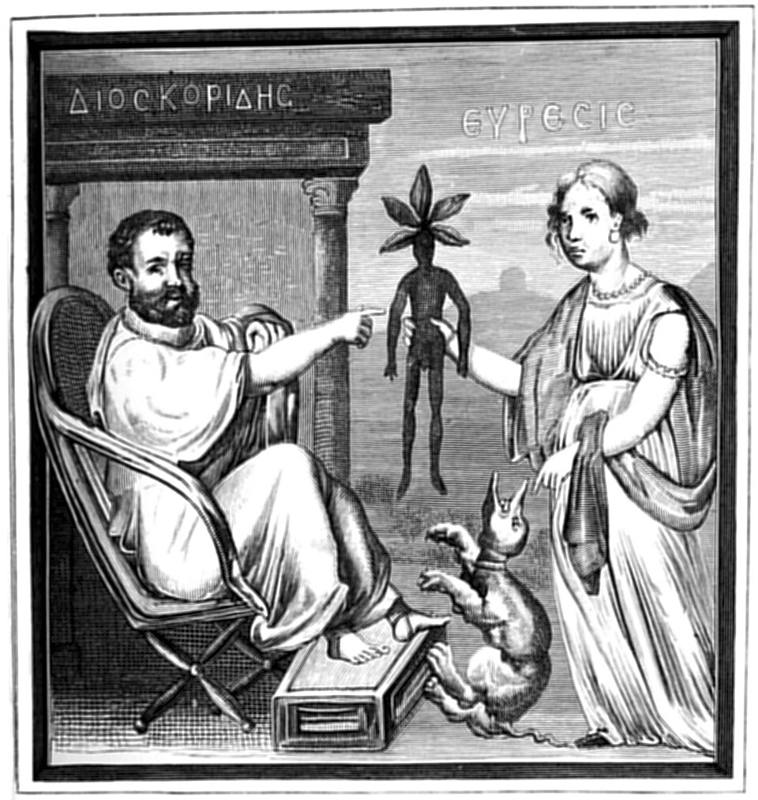 Led toc. 65 CEDioscorides' De Materia MedicaDioscorides drew on the 130 plants of the Hippocratic Collection for his own drug book. His five books describe about 600 medicinal plants and stayed the main drug reference in Europe and the Middle East for sixteen centuries.Read this moment
-
 Led toc. 1190Maimonides's medical writingsMaimonides wrote a commentary on the Aphorisms of Hippocrates in which he sometimes disagreed with the Greeks. His story shows a physician to Egypt's rulers writing ten medical works in Arabic that later reached Hebrew and Latin readers.Read this moment
-
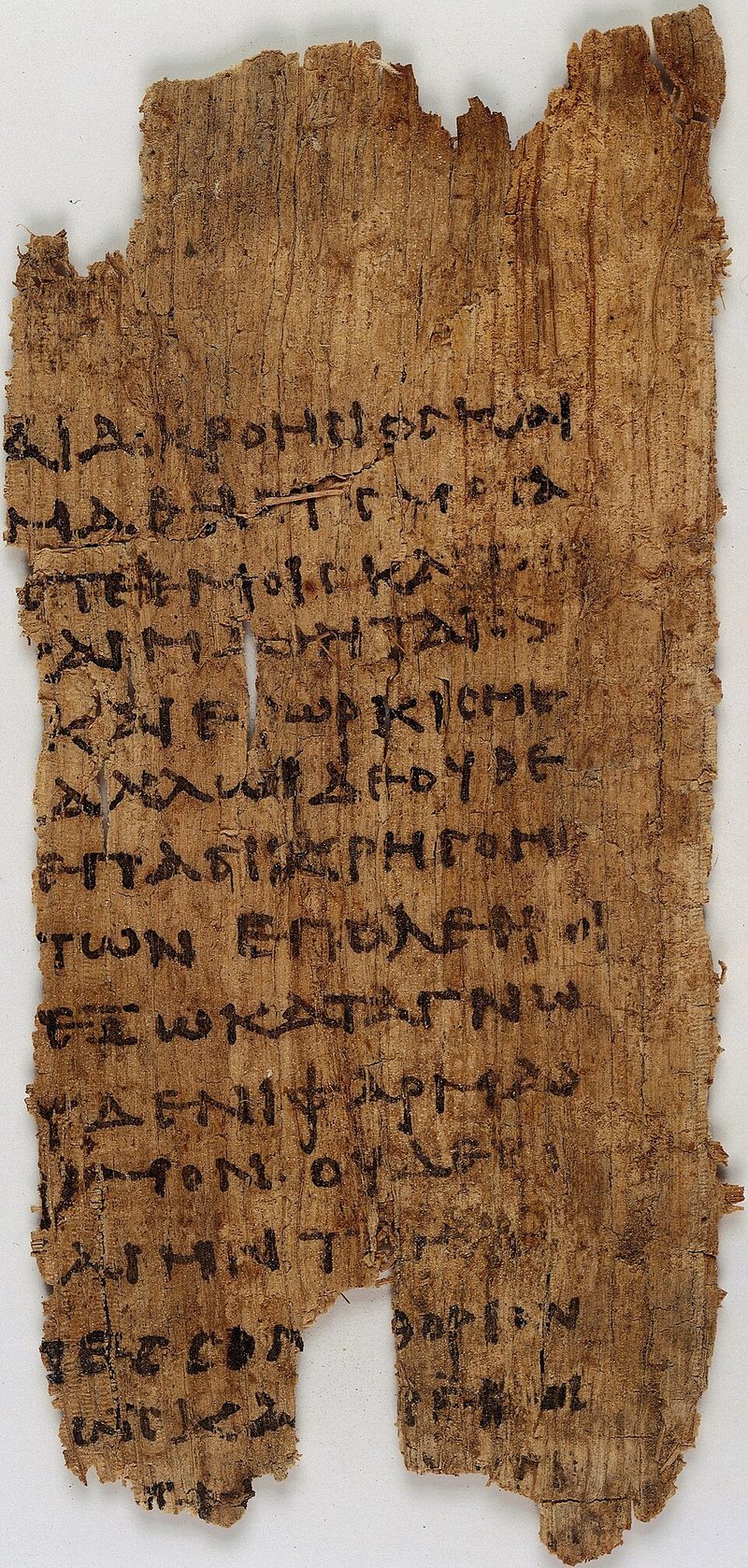 Same personc. 400 BCEThe Hippocratic OathBoth carry the name of Hippocrates of Cos, though their real authors are unknown. The oath shows the ethical side of the same tradition: act for the sick, avoid harm, refuse deadly drugs and keep patients' secrets.Read this moment