Foundational Discovery
c. 65 CE
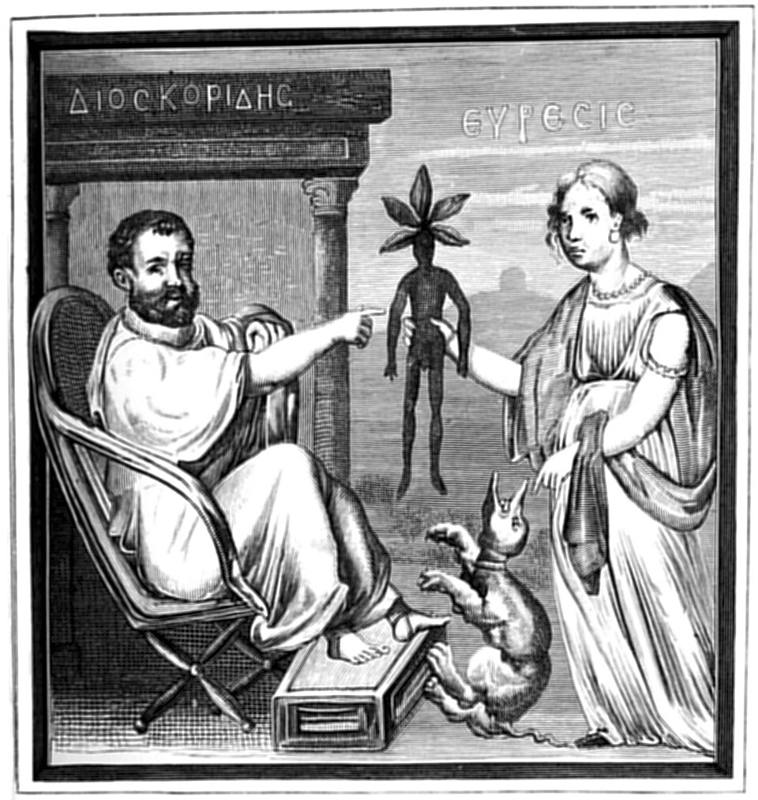
Dioscorides' De Materia Medica
A Greek physician from Cilicia described about 600 medicinal plants, along with animal and mineral drugs, and how to prepare and use them. His five books were the main drug reference in Europe and the Middle East for some sixteen centuries.
Key people
- Pedanius Dioscorides
- Greek physician from Anazarbus in Cilicia; author of De materia medica
- Anicia Juliana
- Imperial princess for whom the illustrated copy of about 512 was made
Source
Dioscorides came from Anazarbus, a small city northeast of Tarsus in the Roman province of Cilicia, in what is now Turkey. He traveled widely in search of medicinal substances, helped by the ease of movement across the Roman Empire, and he may have been a medical officer with the Roman legions. Sometime between about 50 and 70 CE, by one estimate around 65, he wrote the five books known in Latin as De materia medica.
The work dealt with the preparation, properties and testing of drugs. It covered about 600 plants, 35 animal products and 90 minerals, drawing on his own travels, on oral tradition and on earlier texts, among them the 130 plants of the Hippocratic Collection. In his preface he faulted his predecessors for poor organization, inaccurate procedures and wrong information. The original had no pictures and does not survive; later versions added illustrations.
The most famous copy was made in Constantinople about 512 for the imperial princess Anicia Juliana. Several artists of varying skill painted its 383 plants, some probably copying earlier lost versions, and many still look like the living plants when set beside modern photographs. The book was rebound in Constantinople in 1406, collected Arabic, Greek and Hebrew plant names from later owners, passed through the library of Moses Hamon, a Jewish physician in favor with Sultan Suleiman the Magnificent, and reached Vienna about 1569. It is now in the Austrian National Library.
De materia medica was translated into Arabic, Persian, Latin and other languages. In Baghdad its Arabic version became the basis of Arabic pharmacology, and in the West it was the source for most later herbals. The National Library of Medicine calls it the most central pharmacological work in Europe and the Middle East for sixteen centuries. Pier Andrea Mattioli's herbal, first published in Italian in 1544, was still framed as a commentary on Dioscorides.
Keep exploring
 Read next · built on
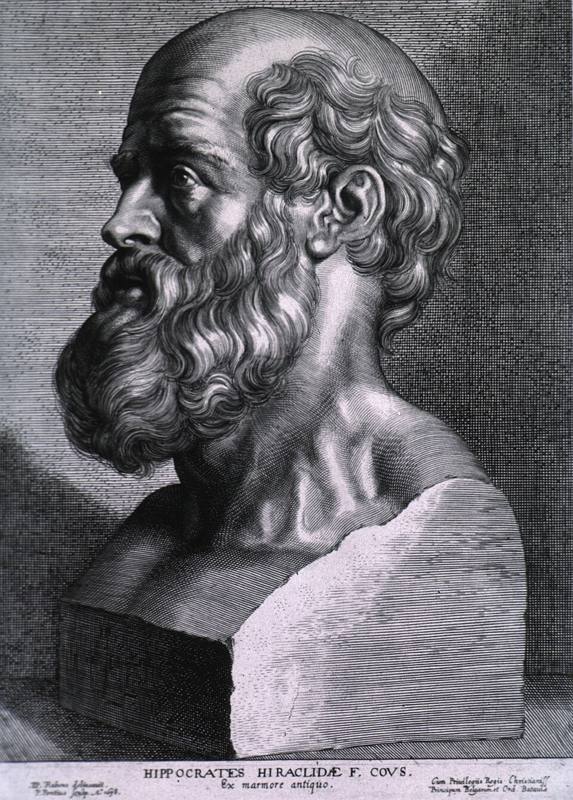
The Hippocratic Corpus (c. 400 BCE)
Dioscorides drew on the 130 plants of the Hippocratic Collection, among other sources. The Corpus shows the Greek medicine he inherited, which put diet, useful drugs and the balance of the body at the center of treatment.
Read this moment
Read next · built on
The Hippocratic Corpus (c. 400 BCE)
Dioscorides drew on the 130 plants of the Hippocratic Collection, among other sources. The Corpus shows the Greek medicine he inherited, which put diet, useful drugs and the balance of the body at the center of treatment.
Read this moment
 Today on The Clinical Times
Love to Dream recalls portable baby sound machine over fire and burn risk
Love to Dream has recalled its portable Sleep Machine because its lithium-ion battery can overheat while charging with an incompatible charger, creating a risk of fire and burns.
Read today’s top stories
Today on The Clinical Times
Love to Dream recalls portable baby sound machine over fire and burn risk
Love to Dream has recalled its portable Sleep Machine because its lithium-ion battery can overheat while charging with an incompatible charger, creating a risk of fire and burns.
Read today’s top stories
All 526 moments in the history of medicine. This one is in chapter 1, The ancient world
Connected moments
How this moment links to others in the history of medicine, and what you will find in each.
-
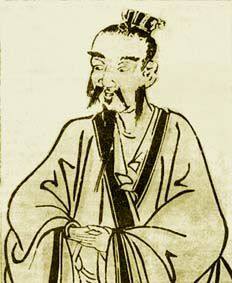 Same disease or problem1578Li Shizhen's Bencao GangmuBoth are great drug references, Dioscorides with about 600 plants and Li Shizhen with 1,892 kinds of medicines. Li's compendium shows the Chinese equivalent, 27 years in the making, including his use of qinghao for fevers.Read this moment
-
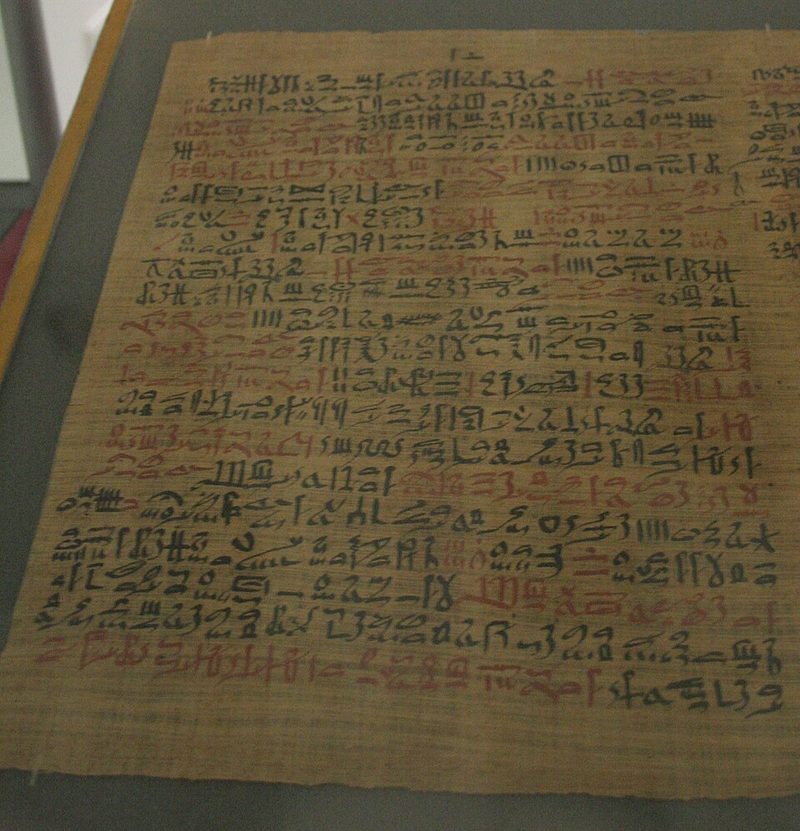 Same disease or problemc. 1550 BCEThe Ebers PapyrusBoth are remedy books drawing on plants, animal products and minerals. The Ebers papyrus shows the Egyptian version sixteen centuries earlier, nearly 900 prescriptions set beside healing spells, most of their ingredients still unidentified.Read this moment
-
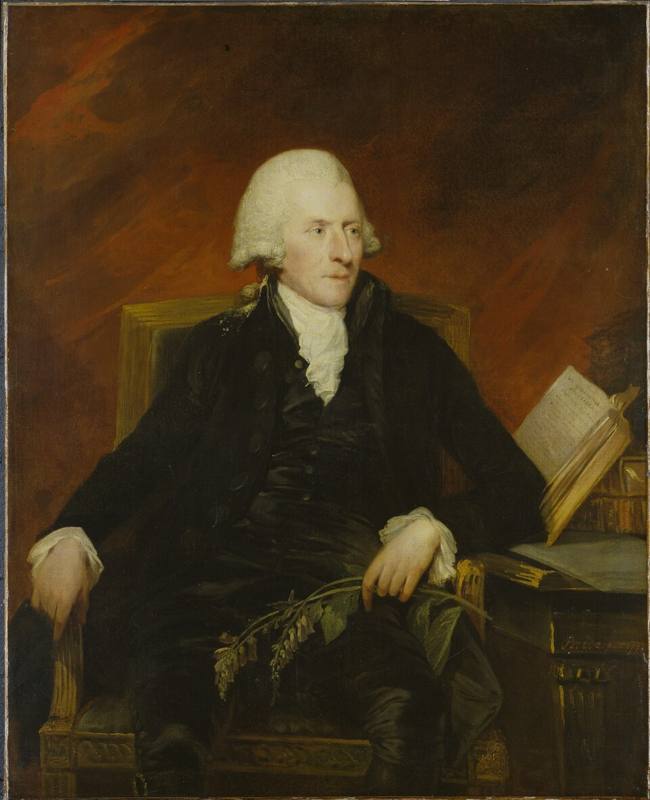 Same disease or problem1785Withering's Account of the FoxgloveDioscorides dealt with preparing and testing plant drugs, and Withering did the same for foxglove. His account of 163 numbered cases, failures included, shows a plant remedy turned into a drug with careful rules for dosing.Read this moment