Cardiology
1785
Withering's Account of the Foxglove
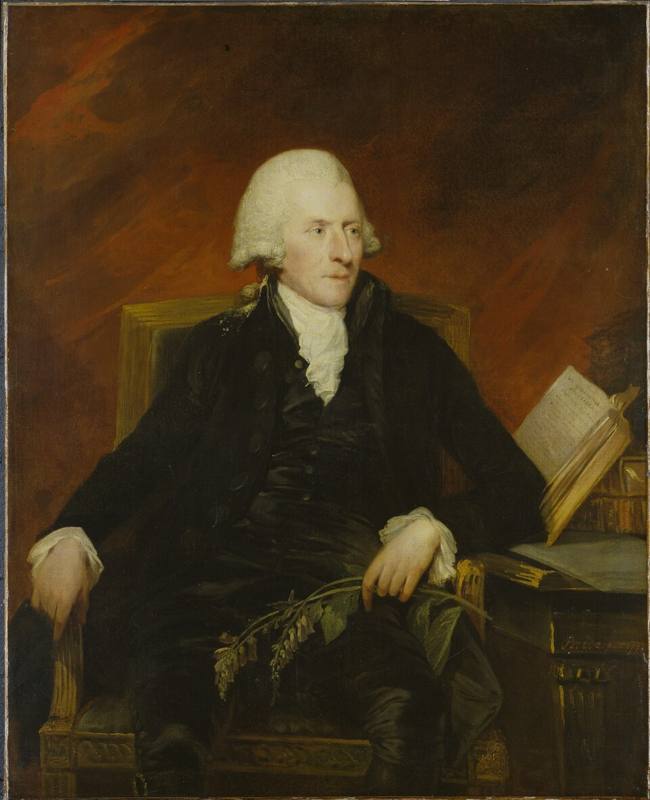
William Withering reported ten years of treating dropsy with foxglove leaf in 163 numbered cases, failures included, with rules for stopping the dose at the first sign of an effect and the observation that the drug acted strongly on the heart.
Key people
- William Withering
- Physician to the General Hospital at Birmingham who wrote the Account
Source
In 1775 William Withering was asked his opinion of a family recipe for dropsy that an old woman in Shropshire had long kept secret. She had sometimes cured patients after regular practitioners had failed, and her medicine was said to cause violent vomiting and purging. It contained twenty or more herbs, but Withering knew his botany and saw that the active one could only be foxglove, the plant Fuchsius had named Digitalis in 1542 after the German Fingerhut, a finger-stall, because its flowers looked like the finger of a glove.
Learning to use it took him ten years. In 1777 he was still ordering a decoction of three drams of the dried leaves, a dose he later said he had got wrong. By 1785 his advice was to give it slowly, in measured doses at intervals, and to continue only until the medicine acted on the kidneys, the stomach, the pulse or the bowels, stopping at the first sign of any of these.
An Account of the Foxglove is dated from Birmingham on 1 July 1785, when Withering was physician to the General Hospital there. It sets out 163 numbered cases. He wrote that it would have been easy to pick only the successes, and that he had instead included every patient to whom he had given foxglove, proper or improper, successful or otherwise. Some cases failed, and at least one records nausea after the drug was continued for a week without a break.
His conclusions included that foxglove could be used in every kind of dropsy except the encysted, and that it had a power over the motion of the heart not seen with any other medicine. He also told readers to gather the plant fresh each season, because leaves kept into a second year lost much of their strength. The James Lind Library lists the book under reporting bias, citing Withering's appeal for caution when reporting on a new medicine.
Keep exploring
 Read next · same disease or problem
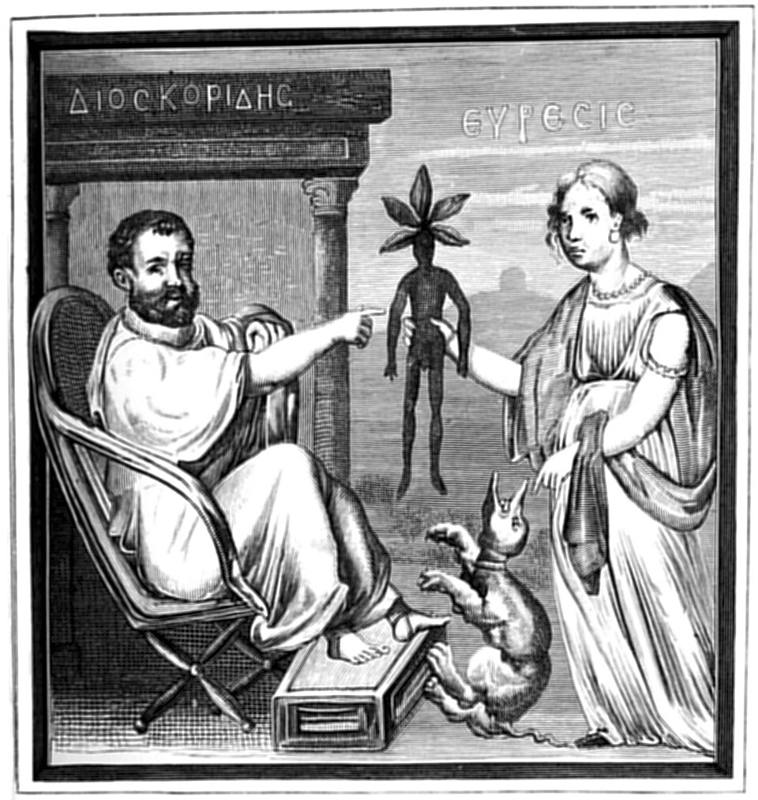
Dioscorides' De Materia Medica (c. 65 CE)
Withering turned a plant from a folk recipe into a medicine with rules for its dose, work Dioscorides had begun for hundreds of plants. His five books show how plant drugs were prepared and tested in the first century.
Read this moment
Read next · same disease or problem
Dioscorides' De Materia Medica (c. 65 CE)
Withering turned a plant from a folk recipe into a medicine with rules for its dose, work Dioscorides had begun for hundreds of plants. His five books show how plant drugs were prepared and tested in the first century.
Read this moment
 Today on The Clinical Times
Love to Dream recalls portable baby sound machine over fire and burn risk
Love to Dream has recalled its portable Sleep Machine because its lithium-ion battery can overheat while charging with an incompatible charger, creating a risk of fire and burns.
Read today’s top stories
Today on The Clinical Times
Love to Dream recalls portable baby sound machine over fire and burn risk
Love to Dream has recalled its portable Sleep Machine because its lithium-ion battery can overheat while charging with an incompatible charger, creating a risk of fire and burns.
Read today’s top stories
All 526 moments in the history of medicine. This one is in chapter 3, Anatomy and observation
Connected moments
How this moment links to others in the history of medicine, and what you will find in each.
-
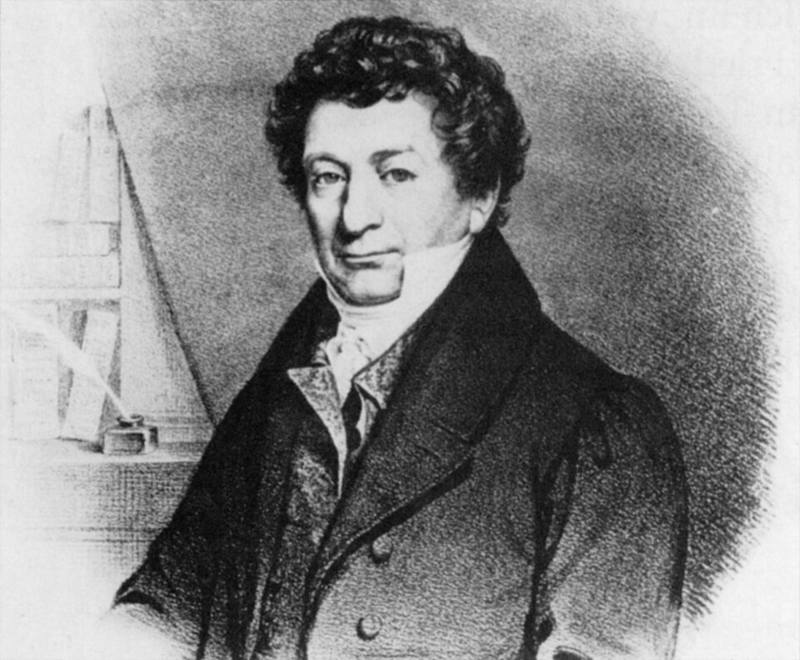 Same disease or problemc. 1805Sertürner's isolation of morphineWithering fought the uneven strength of foxglove leaves with careful dosing, and Sertürner solved the same problem for opium by isolating morphine. His story shows the first pure alkaloid taken from a plant, allowing a measured dose.Read this moment
-
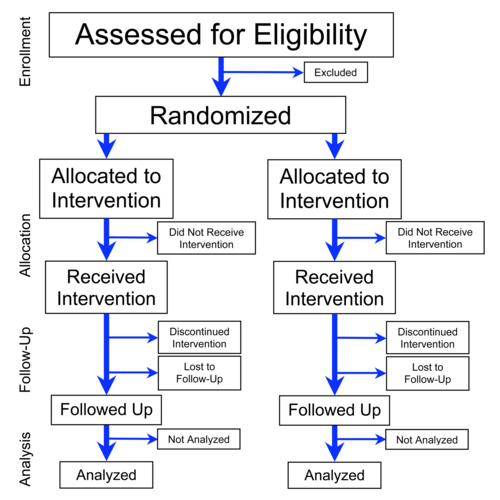 Same disease or problem1996CONSORT StatementWithering reported every patient he treated, failures included, instead of picking only the successes. CONSORT shows the modern version of that honesty, a checklist of what every trial report must say.Read this moment