Research Methods & Ethics
1784
The royal commission on animal magnetism
In 1784 a royal commission in Paris that included Benjamin Franklin and Antoine Lavoisier tested Mesmer's animal magnetism on blindfolded subjects, who reacted only when they believed they were being magnetized. The James Lind Library counts these as the first known blind experiments.
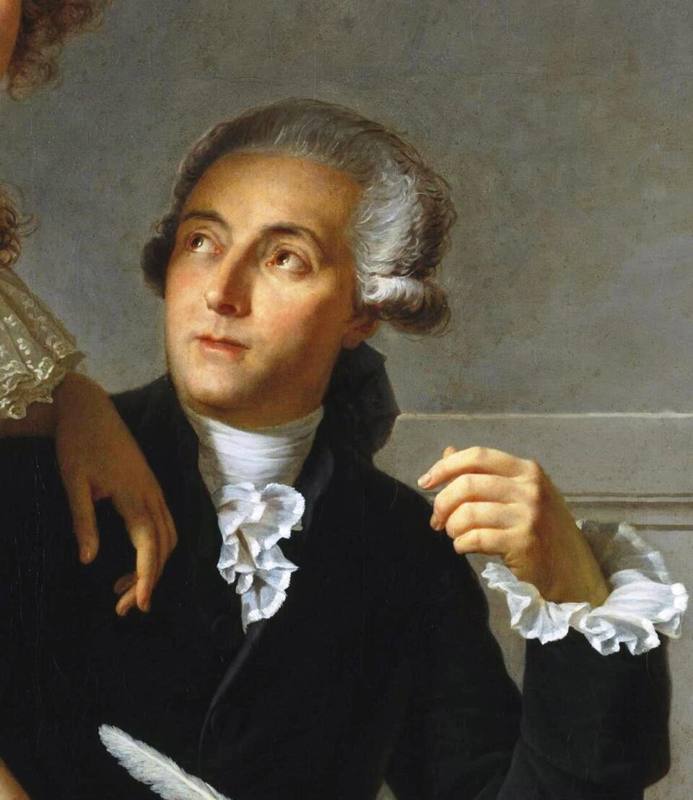
Key people
- Antoine Lavoisier
- Chemist and commissioner; wrote a plan of the blind experiments
- Benjamin Franklin
- Commissioner; experiments were held at his house at Passy
- Charles Deslon
- Former associate of Mesmer who demonstrated the methods
- Anton Mesmer
- Vienna doctor who claimed an animal magnetic fluid cured disease
Source
Anton Mesmer, a doctor of medicine from Vienna, taught that an invisible fluid he called animal magnetism pervaded all living things, and that manipulating it could relieve or cure any disease. Some magnetized patients fell into what practitioners called crises, states of convulsion. In March 1784 the king named four physicians of the Paris faculty to examine the practice. At their request he added five members of the Academy of Sciences, among them Benjamin Franklin and Antoine Lavoisier.
Mesmer refused to let anyone test whether the fluid existed. Charles Deslon, a former associate who had broken with him, agreed to demonstrate his methods and cooperate. The commissioners decided to test the fluid and the imagination separately. At Franklin's house at Passy, blindfolded subjects were led to believe that Deslon was magnetizing them when he was not in the room. They fell into crises anyway.
On 19 June 1784 Deslon magnetized an apricot tree in Franklin's orchard. A boy of about twelve, whom Deslon had chosen as sensitive, was led blindfolded to four other trees in turn and made to embrace each. His symptoms grew as he went, and at the fourth tree, which had not been magnetized either, he fainted and his limbs stiffened.
The report, signed in Paris on 11 August 1784 by all nine commissioners, found no proof that the fluid existed. Imagination without magnetism produced convulsions, it said, and magnetism without imagination produced nothing; the crises came from pressure, imagination and imitation. A separate commission from the Royal Society of Medicine signed its own report against animal magnetism on 16 August.
The report speaks only for the commission as a body. Writing for the James Lind Library in 2016, Ian Donaldson pointed to a plan of experiments in Lavoisier's own hand, printed in his collected works in 1865, and argued that the blind tests were most likely his design. Sixteen years later John Haygarth found that fake wooden tractors eased rheumatism about as well as the metal tractors credited with magnetic healing, and he cited the Paris experiments.
Keep exploring
 Read next · same person
Founding of Pennsylvania Hospital (1751)
Benjamin Franklin sat on the commission and had earlier backed Philadelphia's first hospital. Its story shows a hospital founded to treat the sick poor free of charge and to care for people with mental illness.
Read this moment
Read next · same person
Founding of Pennsylvania Hospital (1751)
Benjamin Franklin sat on the commission and had earlier backed Philadelphia's first hospital. Its story shows a hospital founded to treat the sick poor free of charge and to care for people with mental illness.
Read this moment
 Today on The Clinical Times
Love to Dream recalls portable baby sound machine over fire and burn risk
Love to Dream has recalled its portable Sleep Machine because its lithium-ion battery can overheat while charging with an incompatible charger, creating a risk of fire and burns.
Read today’s top stories
Today on The Clinical Times
Love to Dream recalls portable baby sound machine over fire and burn risk
Love to Dream has recalled its portable Sleep Machine because its lithium-ion battery can overheat while charging with an incompatible charger, creating a risk of fire and burns.
Read today’s top stories
All 526 moments in the history of medicine. This one is in chapter 3, Anatomy and observation
Connected moments
How this moment links to others in the history of medicine, and what you will find in each.
-
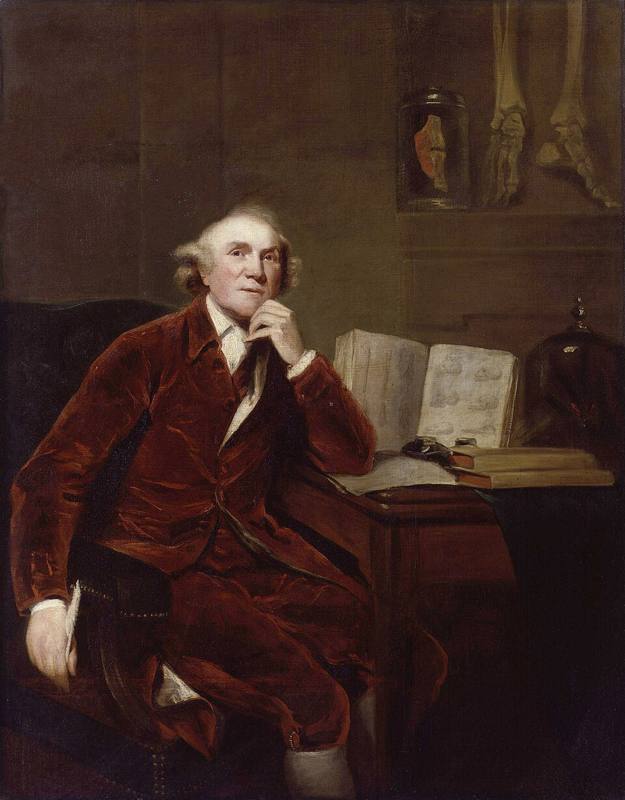 Same disease or problemc. 1768John Hunter and experimental surgeryBoth tested a treatment against something that only looked like it, the commission with sham magnetism and Hunter with bread pills in place of mercury. Hunter's story shows a surgeon who based treatment on observation and experiment.Read this moment
-
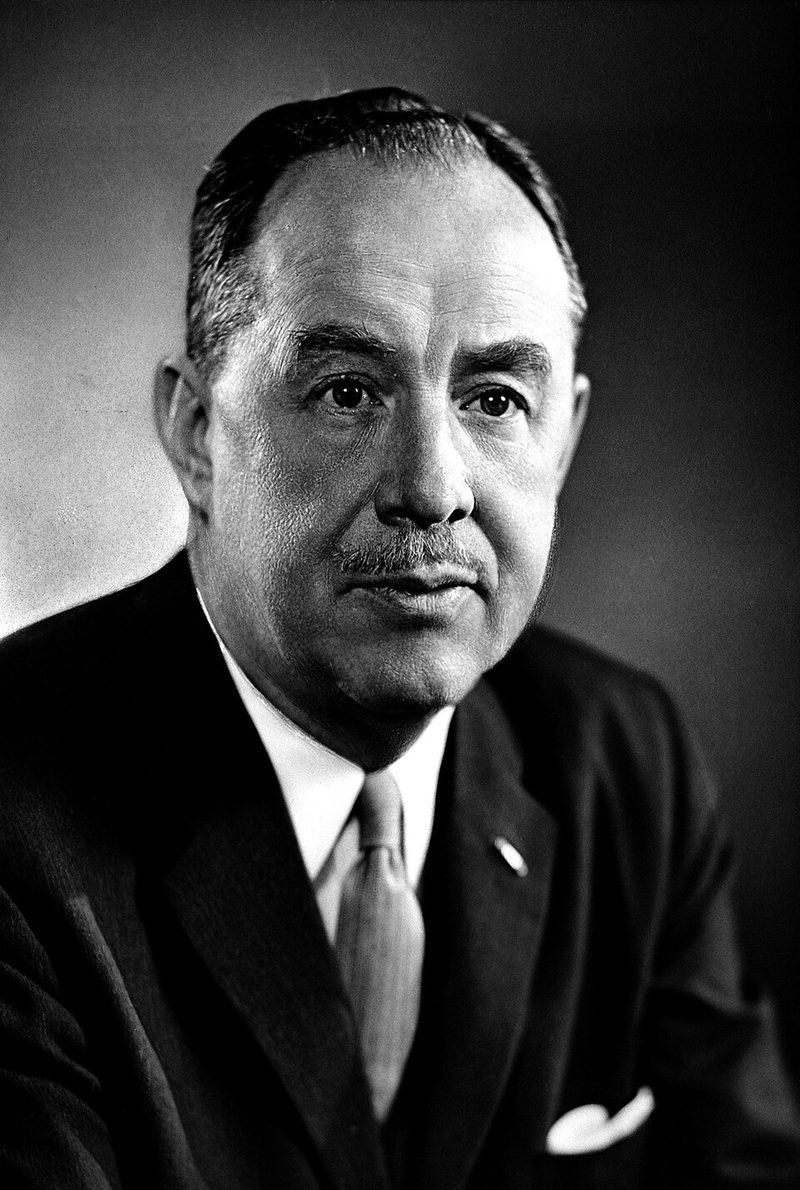 Same disease or problem1955Salk Inactivated Polio Vaccine Field Trial (Francis Report)The commission kept subjects from knowing what was done to them, and the Salk trial gave some children a placebo injection. Its story shows the huge field trial that proved the polio vaccine worked.Read this moment
-
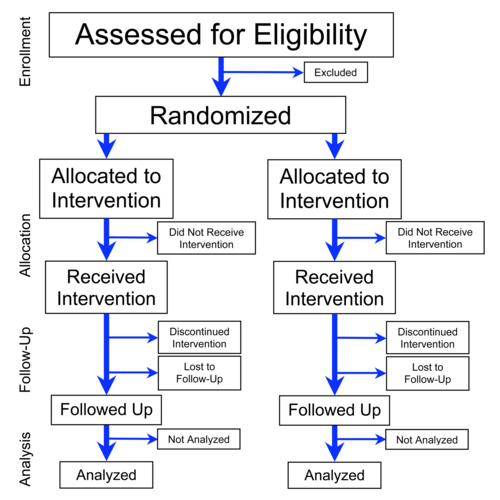 Same disease or problem1996CONSORT StatementThe commission ran the first known blind experiments, and CONSORT asked trial reports to say whether outcome assessors were blinded. Its story shows why such details mattered, since poorly reported trials exaggerated benefits.Read this moment