Surgery & Anesthesia
c. 1768
John Hunter and experimental surgery
The London surgeon John Hunter, surgeon to St George's Hospital from 1768, based treatment on observation and animal experiment: he left simple gunshot wounds alone, tested mercury against bread pills, and in 1785 treated a popliteal aneurysm by tying the artery above it.
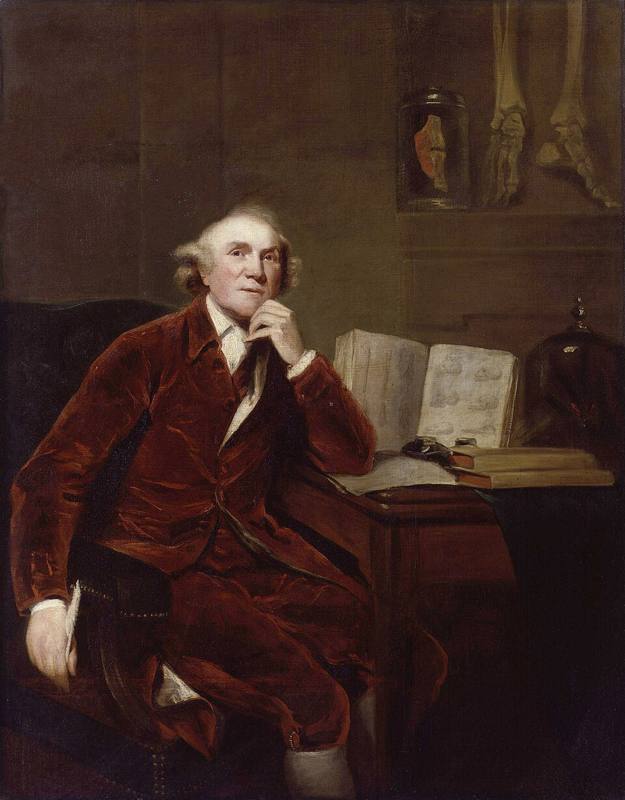
Key people
- John Hunter
- Scottish surgeon and anatomist who tested treatments by observation and experiment
- William Hunter
- Elder brother whose London anatomy school trained John
- Edward Jenner
- Hunter's pupil, later a pioneer of vaccination
Source
On the day British troops landed on Belle-Île, off Brittany, in 1761, five French soldiers were shot and hid in an empty farmhouse. They were found four days later, untreated. One had two musket balls in the thigh, one still lodged in the bone; another had been shot in the chest and was spitting blood; the others had wounds of the knee and arm, and one only a slight injury. All recovered, and did better than British soldiers whose wounds had been probed and cut. John Hunter, an army surgeon on the expedition, afterwards removed a ball only when it had shattered bone or carried in debris.
Hunter was born in 1728 at Long Calderwood, a farm eight miles south of Glasgow, and left school at 13. In 1748 he joined his brother William's anatomy school in London, where over 12 years he was present at the dissection of more than 2,000 bodies, many supplied by body-snatchers. Back in London in 1763 after army service, he built a practice in venereal disease. Doubting that mercury helped gonorrhoea, he secretly gave some patients bread pills instead and found that they recovered, though some more slowly. Another experiment went wrong: he inoculated an unnamed subject, almost certainly himself, with gonorrhoeal matter that seems to have carried syphilis too, and wrongly concluded that the two were one disease.
He was elected a Fellow of the Royal Society in 1767 and surgeon to St George's Hospital in 1768, a post he held for 25 years. He began advertising lectures in 1772 and taught roughly 1,000 students, among them Edward Jenner, whom he advised by letter to test an idea by experiment.
In 1785 he operated on a coach driver with an aneurysm behind the knee. Having tested the idea first in animals, he tied the artery in the thigh so that collateral vessels would carry blood around the swelling. The man died of unrelated causes just over a year later, and Hunter obtained the leg to examine the result.
Hunter died on 16 October 1793 after an angina attack during an argument with colleagues at St George's over surgical training. His museum held nearly 14,000 specimens from more than 500 species. The government bought it in 1799 for £15,000 and gave it to the Company of Surgeons, later the Royal College of Surgeons of England. An incendiary bomb hit the college in May 1941, and the museum now holds just over 3,000 of Hunter's original specimens.
Keep exploring
 Read next · same person
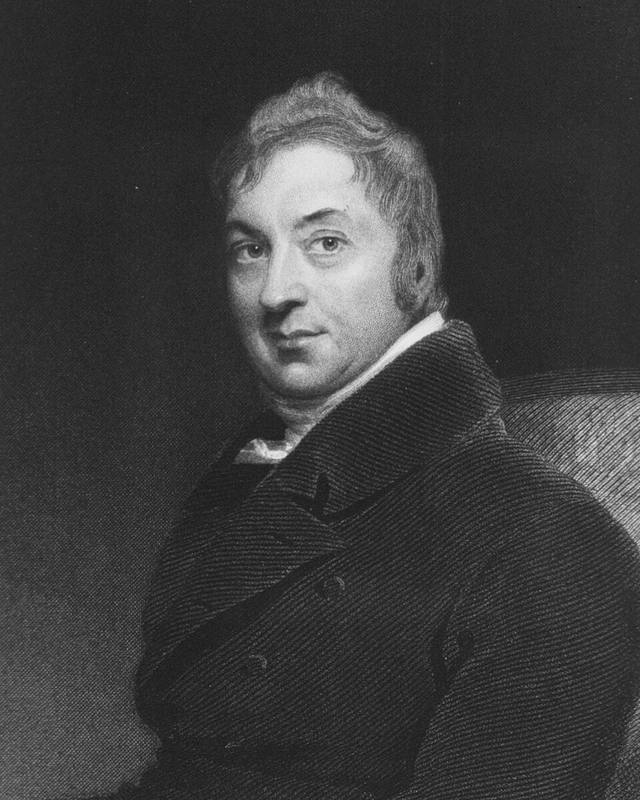
Jenner's smallpox vaccination (cowpox inoculation) (1796)
Hunter taught Edward Jenner and advised him by letter to test an idea by experiment. Jenner's story shows that advice put to work, cowpox used to protect a boy from smallpox.
Read this moment
Read next · same person
Jenner's smallpox vaccination (cowpox inoculation) (1796)
Hunter taught Edward Jenner and advised him by letter to test an idea by experiment. Jenner's story shows that advice put to work, cowpox used to protect a boy from smallpox.
Read this moment
 Today on The Clinical Times
Love to Dream recalls portable baby sound machine over fire and burn risk
Love to Dream has recalled its portable Sleep Machine because its lithium-ion battery can overheat while charging with an incompatible charger, creating a risk of fire and burns.
Read today’s top stories
Today on The Clinical Times
Love to Dream recalls portable baby sound machine over fire and burn risk
Love to Dream has recalled its portable Sleep Machine because its lithium-ion battery can overheat while charging with an incompatible charger, creating a risk of fire and burns.
Read today’s top stories
All 526 moments in the history of medicine. This one is in chapter 3, Anatomy and observation
Connected moments
How this moment links to others in the history of medicine, and what you will find in each.
-
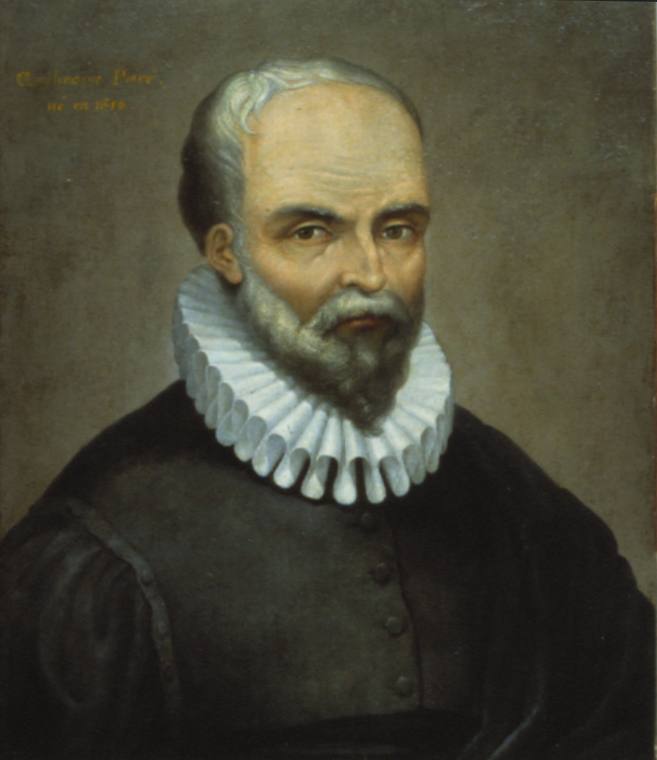 Same disease or problem1545Paré's Treatise on Gunshot WoundsBoth were army surgeons who found gunshot wounds did better with less interference, Hunter leaving them alone and Paré giving up boiling oil. Paré's story shows the morning he found his salve-dressed soldiers in little pain.Read this moment
-
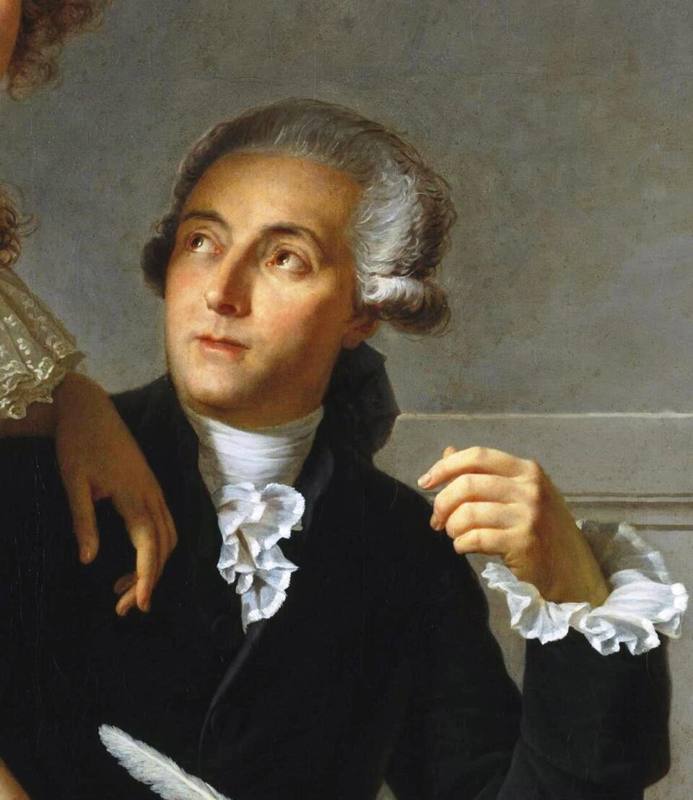 Same disease or problem1784The royal commission on animal magnetismHunter secretly gave some patients bread pills instead of mercury, and the Paris commission tested animal magnetism on subjects who did not know what was done. Its story shows the first known blind experiments.Read this moment
-
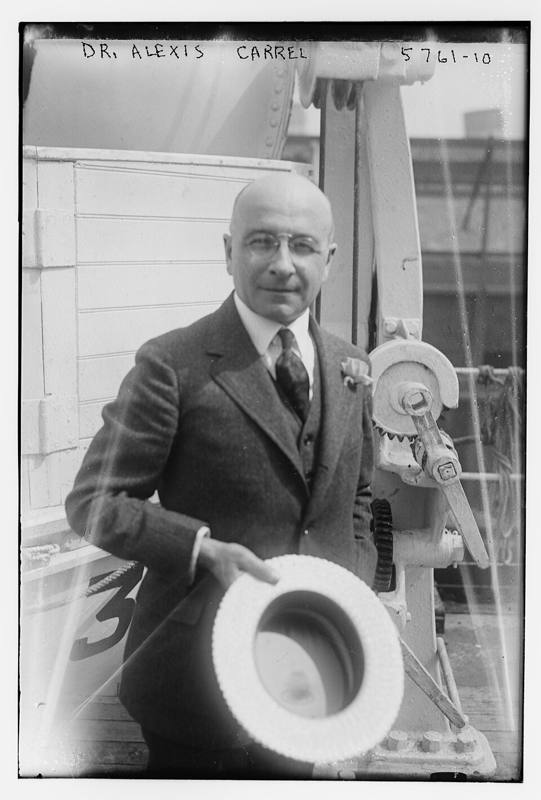 Same disease or problem1902Carrel's vascular sutureHunter treated an aneurysm by tying the artery above it, and Carrel learned to sew cut blood vessels end to end. Carrel's story shows vessel grafting and animal organ transplants recognized by a Nobel Prize.Read this moment