Surgery & Anesthesia
1902
Carrel's vascular suture
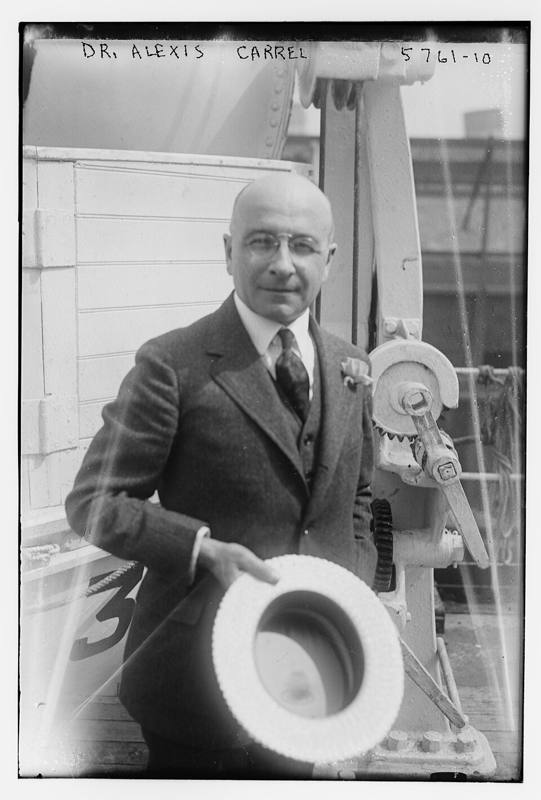
In 1902 the Lyon surgeon Alexis Carrel described a way to sew cut blood vessels end to end without narrowing them, using three stay stitches. He used it to graft vessels and transplant organs in animals, work recognized by the 1912 Nobel Prize.
Key people
- Alexis Carrel
- French surgeon who devised the triangulation method of joining vessels
- Mathieu Jaboulay
- Chief of surgery in Lyon who worked on arterial suture and grafts
- Charles Claude Guthrie
- Chicago physiologist who collaborated with Carrel on vessel and organ grafts
Source
A tourniquet could stop the bleeding from a severed artery, but the leg below might still die of gangrene. In Lyon, the chief of surgery, Mathieu Jaboulay, worked on arterial sutures and grafts from 1896 to 1898, and Alexis Carrel, who worked under him, took up the same problem. An often repeated story traces Carrel's interest to 1894, when President Sadi Carnot died in Lyon of a knife wound to the portal vein and local doctors argued over whether he could have been saved.
Carrel's method, published in Lyon médical in 1902, placed three stitches at equal distances around the cut ends. Held apart, they turned the round opening into a triangle, and he sewed the edges together along each straight side with fine silk on very fine, round needles. Presenting the Nobel Prize in 1912, J. Åkerman of the Nobel committee said the join guarded against bleeding and embolism and, above all, did not narrow the vessel.
Carrel's standing in Lyon suffered when newspapers quoted him as having seen a miraculous cure at Lourdes, a report he said misrepresented him; the episode is thought to be one reason he was refused a senior hospital post. By 1905 he was in Chicago, working with the physiologist Charles Guthrie at the university. In 1906 he joined the Rockefeller Institute for Medical Research in New York.
There he kept segments of vessel cold for months before using them as grafts, and replaced parts of the aorta in animals that lived for years. He removed kidneys, rinsed them and sewed them back in 14 animals, 9 of which lived a long time. Åkerman noted that none of this had reached patients, because organs moved from one animal to another usually shrivelled and stopped working. In 1906 Jaboulay had tried attaching pig and goat kidneys to the elbows of two women with kidney failure, without success.
The 1912 prize was for vascular suture and the transplantation of blood vessels and organs. Guthrie, who remained little known, was among those who accused Carrel of failing to credit his collaborators. Carrel's 1935 best seller, Man, the Unknown, promoted eugenics, and during the Second World War he directed a foundation for the study of human problems set up by the Vichy government. He died in Paris on 5 November 1944.
Keep exploring
 Read next · same disease or problem
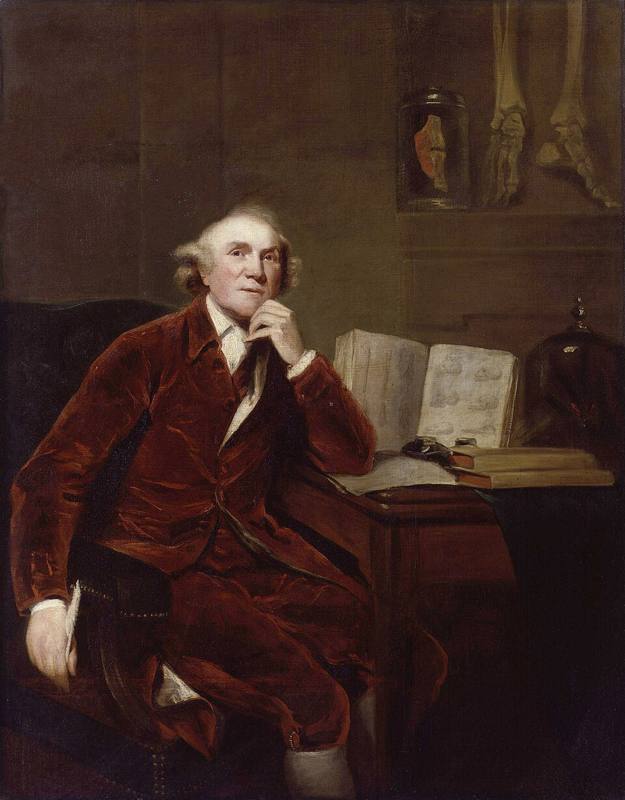
John Hunter and experimental surgery (c. 1768)
Hunter tied off an artery to cure an aneurysm, and Carrel learned to sew cut vessels back together. Hunter's story shows a surgeon who tested such operations on animals first.
Read this moment
Read next · same disease or problem
John Hunter and experimental surgery (c. 1768)
Hunter tied off an artery to cure an aneurysm, and Carrel learned to sew cut vessels back together. Hunter's story shows a surgeon who tested such operations on animals first.
Read this moment
 Today on The Clinical Times
Love to Dream recalls portable baby sound machine over fire and burn risk
Love to Dream has recalled its portable Sleep Machine because its lithium-ion battery can overheat while charging with an incompatible charger, creating a risk of fire and burns.
Read today’s top stories
Today on The Clinical Times
Love to Dream recalls portable baby sound machine over fire and burn risk
Love to Dream has recalled its portable Sleep Machine because its lithium-ion battery can overheat while charging with an incompatible charger, creating a risk of fire and burns.
Read today’s top stories
All 526 moments in the history of medicine. This one is in chapter 5, Cures and codes
Connected moments
How this moment links to others in the history of medicine, and what you will find in each.
-
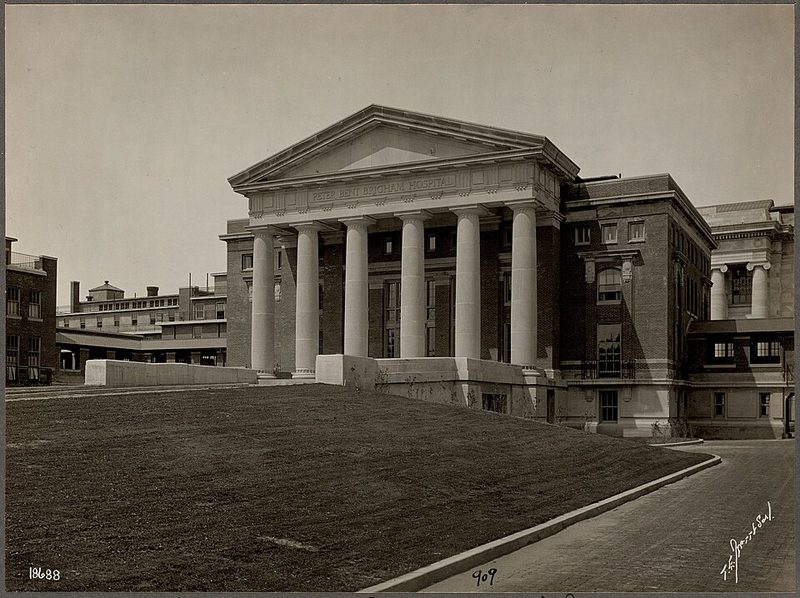 Same disease or problem1954First Successful Kidney TransplantCarrel transplanted kidneys in animals, but organs moved between animals stopped working. The 1954 story shows the first lasting human kidney transplant, between identical twins.Read this moment
-
 Same disease or problem2021Genetically Modified Pig-to-Human Kidney XenotransplantCarrel's teacher Jaboulay tried attaching pig kidneys to patients in 1906 without success. The 2021 story shows a gene edited pig kidney avoiding rejection in a brain dead person.Read this moment