Endocrinology
1902
Bayliss and Starling's discovery of secretin
On 16 January 1902 at University College London, William Bayliss and Ernest Starling showed that acid in the gut releases a substance that travels in the blood to make the pancreas secrete. They named it secretin, and in 1905 Starling called such messengers hormones.
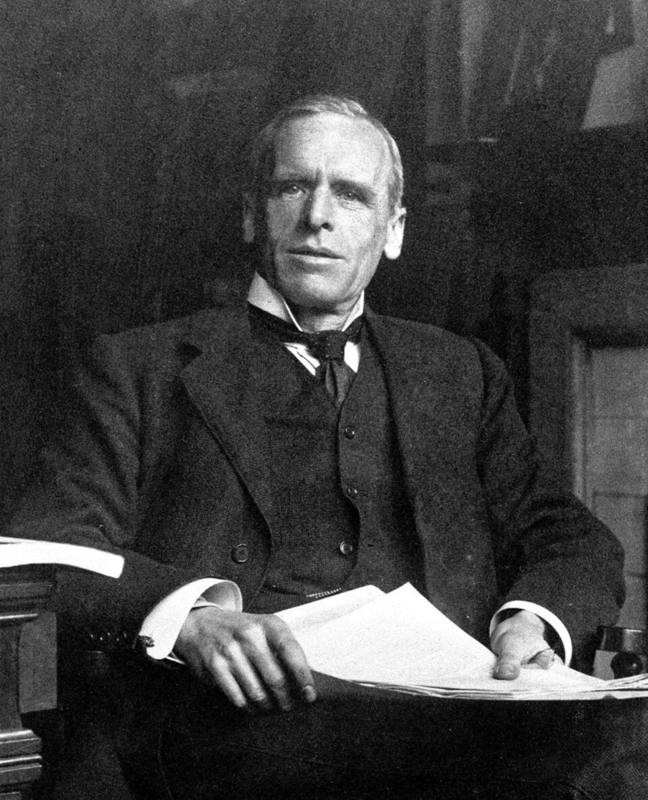
Key people
- Ernest Starling
- Physiologist who co-discovered secretin and introduced the word hormone
- William Bayliss
- Physiologist who co-discovered secretin with Starling in 1902
- Ivan Pavlov
- Russian physiologist whose school held that nerves drove digestive secretion
Source
At the turn of the twentieth century the leading account of how the digestive glands were controlled was nervism, the view of Ivan Pavlov's school in St Petersburg that nerve reflexes drove their secretion. Acid entering the duodenum was known to make the pancreas secrete, and Pavlov's school held that this, too, was a purely neural reflex.
On 16 January 1902, at University College London, William Bayliss and Ernest Starling anesthetized a dog, tied off a loop of jejunum and cut the nerves to it, leaving it joined to the body only by its blood vessels. Weak hydrochloric acid put into the loop still made the pancreas secrete. C. J. Martin, who was present, later recalled Starling saying, "Then it must be a chemical reflex." Starling rubbed the lining of another piece of jejunum with sand in weak acid, filtered the mixture and injected it into a jugular vein, and within moments the pancreas secreted more strongly than before.
They reported the finding to the Royal Society a week later and published the full account in The Journal of Physiology that year, calling the active substance secretin. They could not reproduce Pavlov's evidence that the vagus nerve increased pancreatic secretion, a failure later traced to morphine given before anesthesia, and Starling came to accept that nerves and hormones both control the pancreas. Babkin, who worked in Pavlov's laboratory, recalled that when the experiment was repeated there, Pavlov withdrew in silence and returned half an hour later to say that they were right.
In his Croonian Lectures to the Royal College of Physicians in 1905, Starling introduced the word hormone, from a Greek verb meaning to arouse to activity, a name suggested by W. B. Hardy. He defined hormones as chemical messengers carried in the blood from the organ that makes them to the organ they affect. He acknowledged earlier work by Oliver and Schäfer, who in 1895 had shown that an extract of the adrenal medulla raised blood pressure. Gastrin, described by Starling's University College colleague Edkins, followed within a few years.
Secretin is now known to come from S cells in the lining of the upper small intestine, released when acid chyme arrives from the stomach, and it drives a flow of pancreatic juice high in bicarbonate. Synthetic human secretin is used to test pancreatic function and to help diagnose gastrinoma.
Keep exploring
 Read next · built on
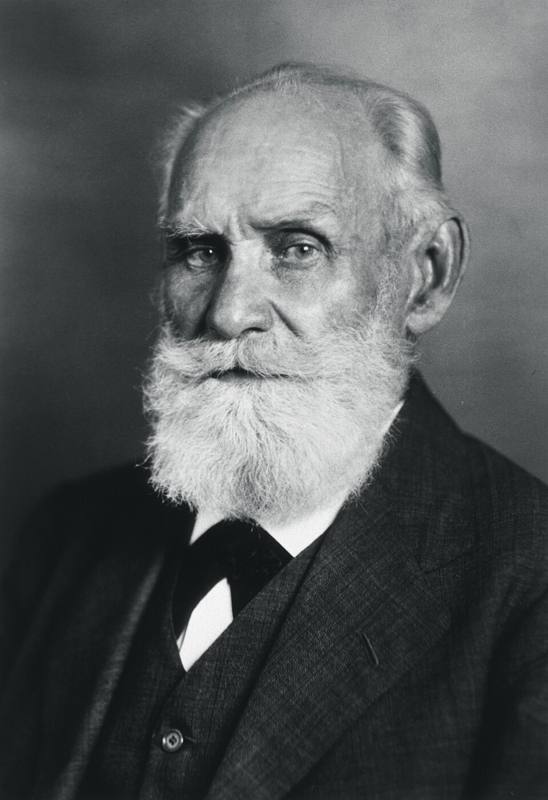
Pavlov's physiology of digestion (1897)
Pavlov's school held that nerve reflexes drove the digestive glands, and Bayliss and Starling showed a chemical messenger could do it. Pavlov's story shows the dogs with fistulas that revealed how eating starts the stomach secreting.
Read this moment
Read next · built on
Pavlov's physiology of digestion (1897)
Pavlov's school held that nerve reflexes drove the digestive glands, and Bayliss and Starling showed a chemical messenger could do it. Pavlov's story shows the dogs with fistulas that revealed how eating starts the stomach secreting.
Read this moment
 Today on The Clinical Times
Love to Dream recalls portable baby sound machine over fire and burn risk
Love to Dream has recalled its portable Sleep Machine because its lithium-ion battery can overheat while charging with an incompatible charger, creating a risk of fire and burns.
Read today’s top stories
Today on The Clinical Times
Love to Dream recalls portable baby sound machine over fire and burn risk
Love to Dream has recalled its portable Sleep Machine because its lithium-ion battery can overheat while charging with an incompatible charger, creating a risk of fire and burns.
Read today’s top stories
All 526 moments in the history of medicine. This one is in chapter 5, Cures and codes
Connected moments
How this moment links to others in the history of medicine, and what you will find in each.
-
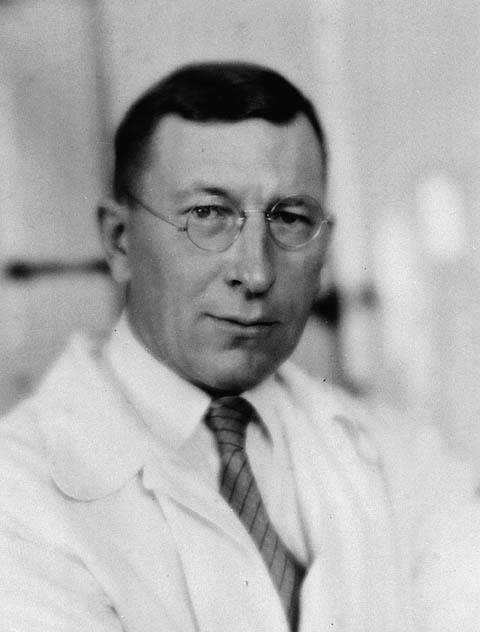 Same disease or problem1922Discovery of InsulinStarling named hormones as chemical messengers carried in the blood, and insulin became the most famous of them. The insulin story shows a pancreas extract lowering blood sugar in a dying boy.Read this moment
-
 Same disease or problem1971Schally and Guillemin: Hypothalamic Releasing HormonesBayliss and Starling found the first hormone, and Schally and Guillemin found hormones by which the brain commands the pituitary. Their story shows GnRH identified as a single small peptide.Read this moment