Foundational Discovery
1897
Pavlov's physiology of digestion
Using dogs with surgically made fistulas that could live for years, Ivan Pavlov's laboratory showed that the digestive glands respond to the kind of food eaten and are driven largely by nerves. The work, published in 1897, won the 1904 Nobel Prize.
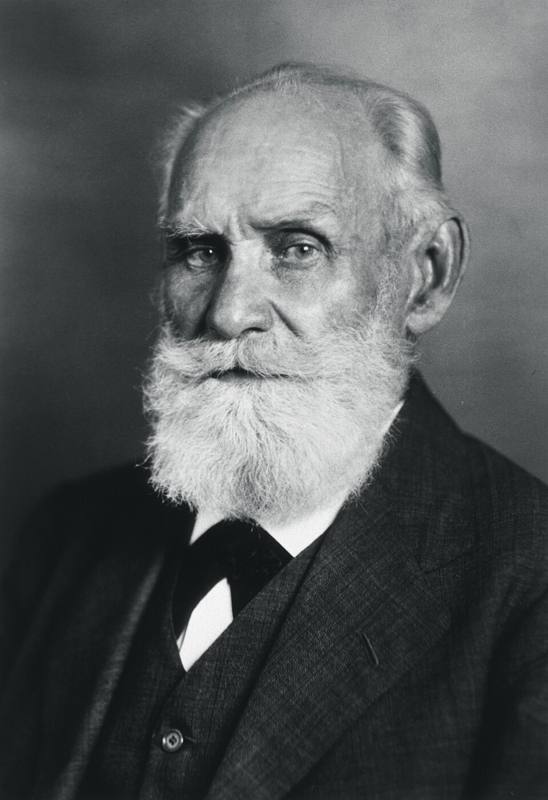
Key people
- Ivan Pavlov
- Head of physiology at the Institute of Experimental Medicine, St Petersburg
Source
Until Pavlov's time the main method for studying the organs of a living animal was acute vivisection. Ivan Pavlov, who from 1890 directed the physiology department of the Institute of Experimental Medicine in St Petersburg, wanted to watch the digestive glands at work for months in healthy dogs. His method was the chronic experiment, built on fistulas that led the juice of each gland to the outside, where it could be collected and measured.
In 1889 Pavlov and his colleague Schumow-Simanowski cut the gullet of a dog that already had a gastric fistula and brought both ends out through the skin of the neck. When the dog ate, the food fell out of the upper opening and never reached the stomach, yet within minutes pure gastric juice trickled from the empty stomach, and it kept flowing as long as this sham feeding went on. When the vagus nerves were cut, sham feeding produced no juice. The act of eating, acting through nerves, was enough to start the stomach secreting.
Heidenhain had already made a pouch from part of a dog's stomach, but his incision cut the branches of the vagus. Pavlov and Dr. Chigin altered the operation so that the flap kept its nerves, giving a small separate stomach whose juice could be collected while the main stomach digested a meal. With these dogs and with salivary and pancreatic fistulas, the laboratory measured how much juice each gland produced, and of what kind, for different foods. Dry bread brought more saliva than meat, and substances the dog disliked, such as acid or mustard, brought a thin, watery saliva.
Pavlov lectured on the results in 1895 and published them in 1897; an English translation by W. H. Thompson of Trinity College, Dublin, appeared in 1902. He wrote we throughout, meaning the laboratory, where about 80 co-workers took part in the digestion studies before 1904. The dogs lived healthily for more than seven or eight years, and gastric juice collected by sham feeding was given to patients whose own gastric glands were deficient.
The Nobel Prize for 1904 went to Pavlov for this work. In his lecture of 12 December he turned to psychic secretion, the flow of juice at the sight of food, which his laboratory went on to study as the conditioned reflex.
Keep exploring
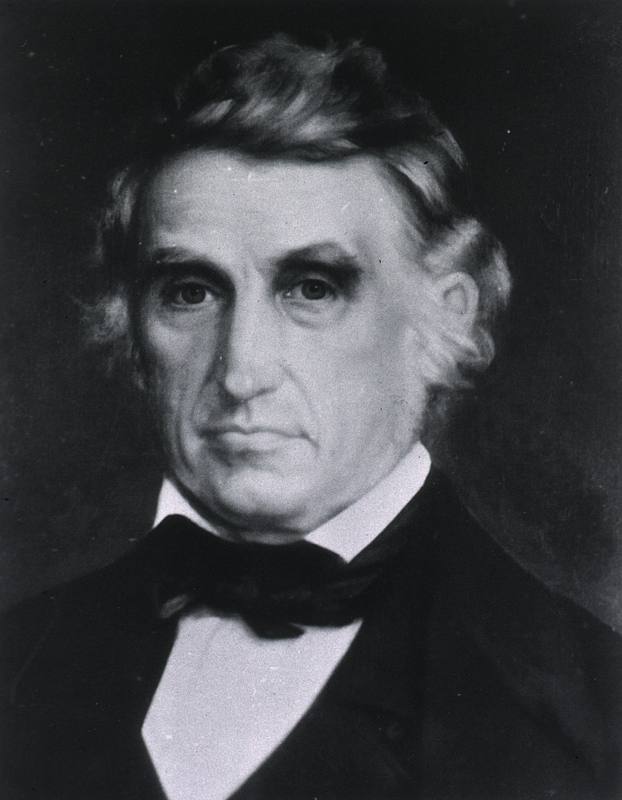 Read next · same disease or problem
Beaumont's experiments on Alexis St. Martin (1833)
Pavlov made fistulas in dogs to watch digestion for years, and Beaumont had studied it through a gunshot opening in a man's stomach. Beaumont's story shows gastric juice drawn out by tube and a subject bound by contract.
Read this moment
Read next · same disease or problem
Beaumont's experiments on Alexis St. Martin (1833)
Pavlov made fistulas in dogs to watch digestion for years, and Beaumont had studied it through a gunshot opening in a man's stomach. Beaumont's story shows gastric juice drawn out by tube and a subject bound by contract.
Read this moment
 Today on The Clinical Times
Love to Dream recalls portable baby sound machine over fire and burn risk
Love to Dream has recalled its portable Sleep Machine because its lithium-ion battery can overheat while charging with an incompatible charger, creating a risk of fire and burns.
Read today’s top stories
Today on The Clinical Times
Love to Dream recalls portable baby sound machine over fire and burn risk
Love to Dream has recalled its portable Sleep Machine because its lithium-ion battery can overheat while charging with an incompatible charger, creating a risk of fire and burns.
Read today’s top stories
All 526 moments in the history of medicine. This one is in chapter 4, Germs, numbers and clean water
Connected moments
How this moment links to others in the history of medicine, and what you will find in each.
-
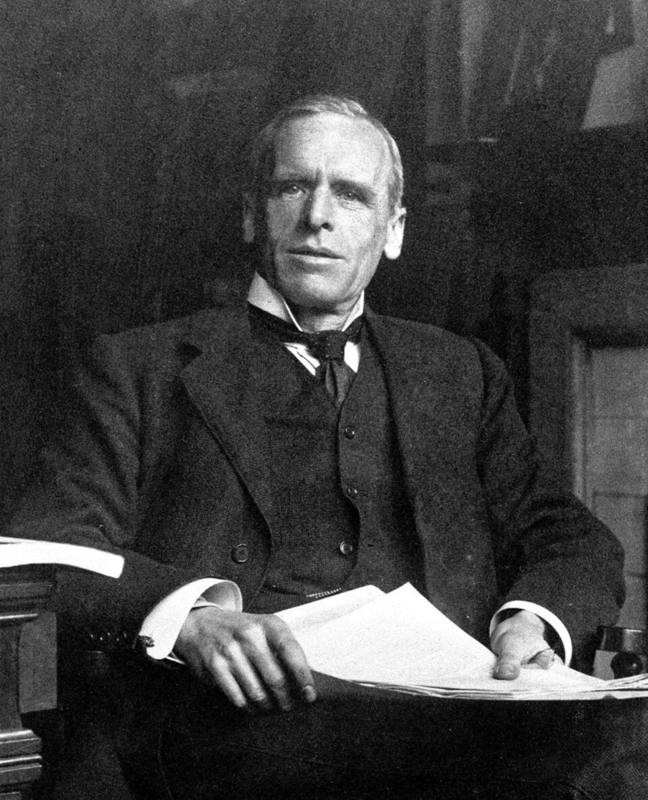 Led to1902Bayliss and Starling's discovery of secretinPavlov's school held that nerves drove the digestive glands, and Bayliss and Starling showed that a chemical messenger in the blood could do it. Their story shows secretin and the birth of the word hormone.Read this moment
-
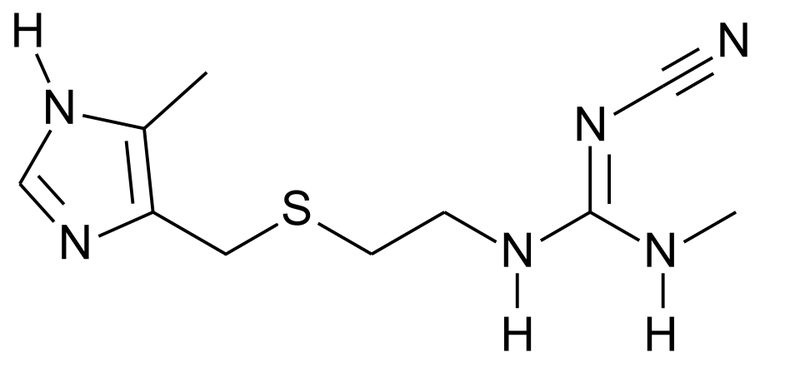 Same disease or problem1976Cimetidine and the H2 blockersPavlov showed how eating starts the stomach secreting juice, and cimetidine was designed to cut that acid. Its story shows peptic ulcers healed by a drug instead of surgery.Read this moment