Foundational Discovery
1833
Beaumont's experiments on Alexis St. Martin
An army surgeon published eight years of experiments made through a gunshot opening in a voyageur's stomach, showing digestion to be the chemical work of an acid gastric juice. His subject was bound to him by a contract signed with an X.
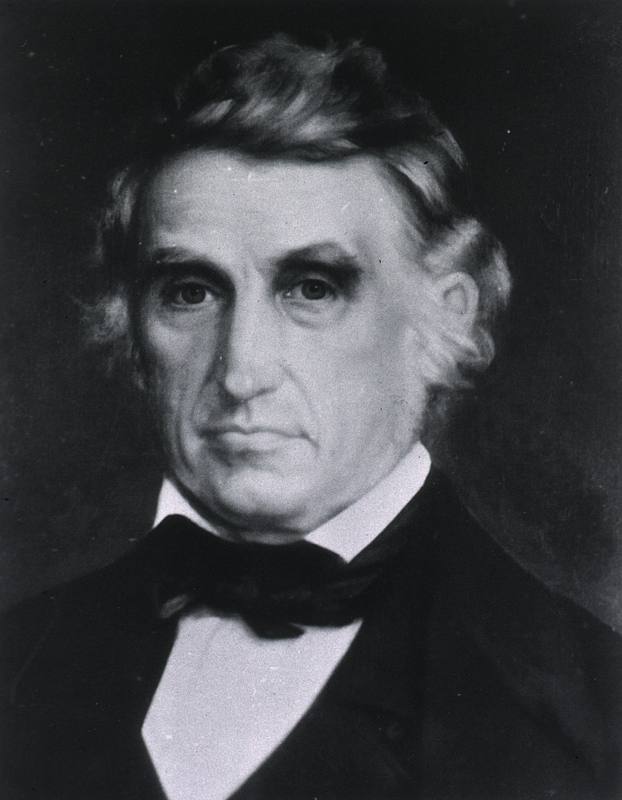
Key people
- William Beaumont
- US Army surgeon at Fort Mackinac who ran the experiments
- Alexis St. Martin
- French Canadian voyageur whose gastric fistula was studied
- Robley Dunglison
- University of Virginia professor who analysed the gastric juice
Source
On 6 June 1822 a musket went off at close range in the American Fur Company's store on Mackinac Island. The charge of powder and duck shot hit Alexis St. Martin, a French Canadian voyageur whom William Beaumont, the army surgeon at the fort, put at about 18. Part of a lung and part of the stomach bulged through a wound the size of a hand. For 17 days everything St. Martin swallowed ran out of the wound, and he was kept alive with nutrient enemas. He recovered, but the stomach healed to the skin around an opening about two and a half inches in circumference, and he refused an operation to close it.
Beaumont began his experiments in May 1825. He tied food to silk string, passed it through the opening and pulled it out at intervals, and he drew off gastric juice with a gum-elastic tube. Kept at 100 degrees in a corked vial, the juice dissolved boiled salted beef outside the body. St. Martin went home to Canada without Beaumont's consent that year and married. In 1829 American Fur Company agents brought him, his wife and two children nearly 2,000 miles to Fort Crawford on the upper Mississippi, where the work went on until March 1831. A last series ran in Washington from November 1832 to March 1833 and at Plattsburgh, New York, from July 1833.
Beaumont paid to print the book at Plattsburgh in 1833. It closed with 51 inferences, the last being that no other fluid acted on food as gastric juice did. He tabulated how long different foods took to digest and noted that fear and anger checked the flow of juice. Robley Dunglison and the professor of chemistry at the University of Virginia found free muriatic (hydrochloric) acid in a sample.
St. Martin could not write his name. In October 1832 he put his mark on a contract binding him for a year to obey Beaumont and submit to his experiments, for $150 and his keep. Between series he chopped wood and carried loads as a servant, and Beaumont's own text says that a raw, unhealed rim around the opening was almost the only source of his pain when instruments went in or fluid leaked out. In 2010 the historian Alexa Green described the arrangement in terms of contract labour, domestic servitude, indenture and military service. In later years Beaumont wrote again and again asking him to come to St. Louis for more experiments. They never met again. Beaumont died in 1853.
Keep exploring
 Read next · same disease or problem
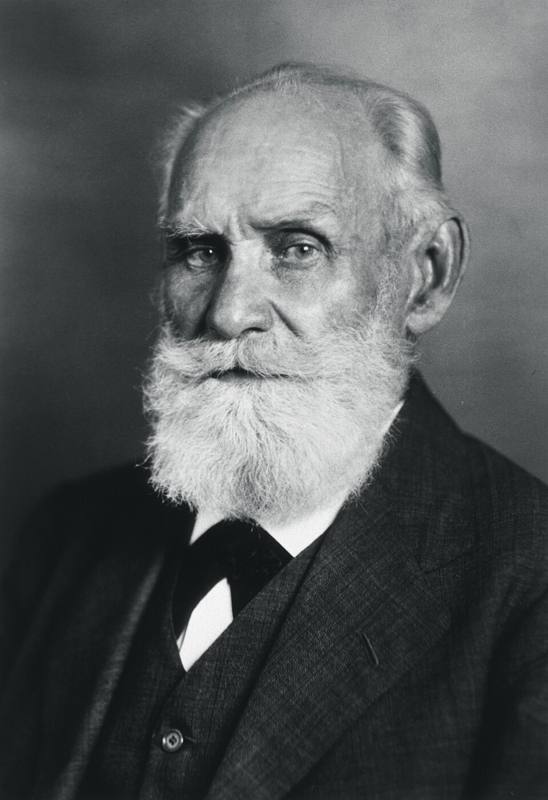
Pavlov's physiology of digestion (1897)
Beaumont studied digestion through an opening left by a gunshot wound, and Pavlov made such openings on purpose in dogs. His story shows how the digestive glands respond to the food eaten and are driven by nerves.
Read this moment
Read next · same disease or problem
Pavlov's physiology of digestion (1897)
Beaumont studied digestion through an opening left by a gunshot wound, and Pavlov made such openings on purpose in dogs. His story shows how the digestive glands respond to the food eaten and are driven by nerves.
Read this moment
 Today on The Clinical Times
Love to Dream recalls portable baby sound machine over fire and burn risk
Love to Dream has recalled its portable Sleep Machine because its lithium-ion battery can overheat while charging with an incompatible charger, creating a risk of fire and burns.
Read today’s top stories
Today on The Clinical Times
Love to Dream recalls portable baby sound machine over fire and burn risk
Love to Dream has recalled its portable Sleep Machine because its lithium-ion battery can overheat while charging with an incompatible charger, creating a risk of fire and burns.
Read today’s top stories
All 526 moments in the history of medicine. This one is in chapter 4, Germs, numbers and clean water
Connected moments
How this moment links to others in the history of medicine, and what you will find in each.
-
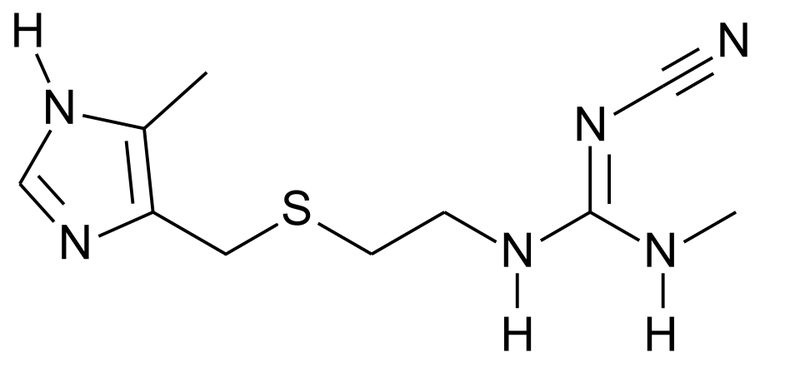 Same disease or problem1976Cimetidine and the H2 blockersBeaumont showed that digestion is the work of an acid gastric juice, and cimetidine was designed to cut that acid. Its story shows peptic ulcers healed by a drug instead of surgery.Read this moment
-
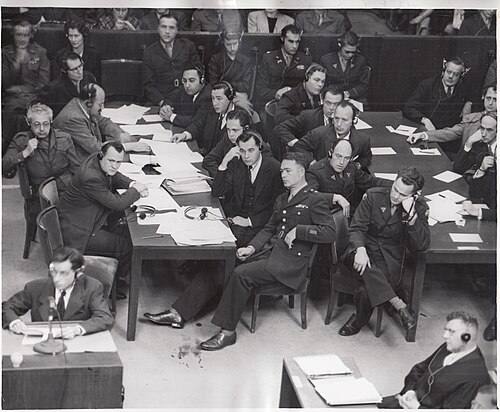 Same disease or problem1947The Nuremberg CodeAlexis St Martin was bound by a contract signed with an X to submit to experiments for years. The Nuremberg Code shows the rule set down in 1947, that a research subject's voluntary consent comes first.Read this moment