Research Methods & Ethics
1835
Louis's numerical study of bloodletting
Pierre Louis compared Paris pneumonia patients bled early in their illness with those bled later. Early bleeding shortened the illness a little but did not reduce deaths, and he concluded that bloodletting had narrow limits of usefulness.
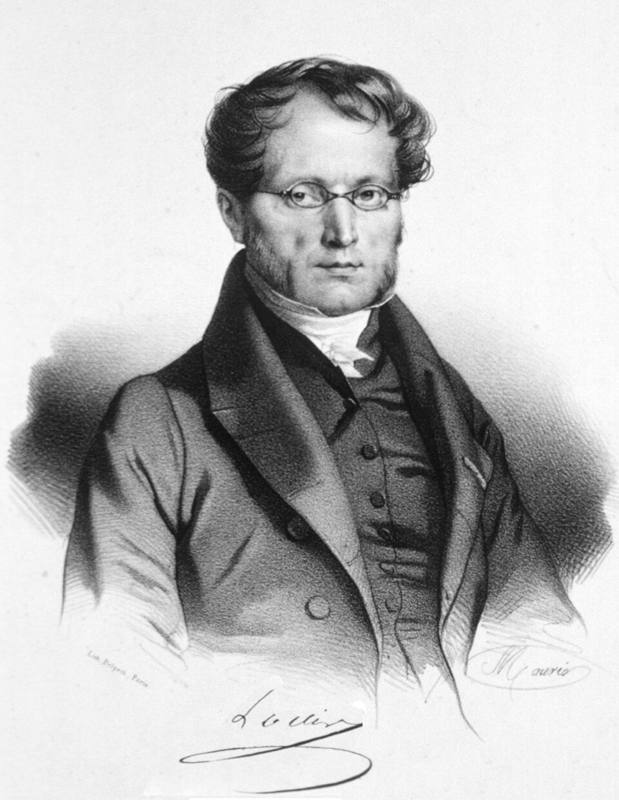
Key people
- Pierre-Charles-Alexandre Louis
- Paris physician who compared outcomes by timing of bloodletting
- François Broussais
- Paris physician whose theory of inflammation encouraged heavy bleeding
Source
In 1833 alone France imported 42 million leeches for medical use. Much of the demand came from the teaching of François Broussais, who held that fevers were inflammations of organs and treated them by bleeding; a patient suspected of pneumonia might have the chest covered with leeches. Pierre-Charles-Alexandre Louis, who had practised in Russia before returning to Paris in 1820, doubted the theory.
Louis had years of case records and autopsies from the Paris hospital La Charité. His question, as he put it, was whether, other things being equal, patients bled in the first four days of illness recovered more readily than those bled later. He chose 77 patients with the same well-defined pneumonia, all in perfect health before it began, and fixed as closely as he could the day each had fallen ill. Grouped by the timing of the first bleeding, 41 had been bled on days 1 to 4 and 36 on days 5 to 9. Their average ages were similar, 41 and 38.
The early group was ill about three days less on average. But three sevenths of them died, against one fourth of those bled later, a result Louis himself found startling and seemingly absurd. He pointed out that nearly twice as many patients over 50 had been bled on the first day as later, which must have affected the deaths. He concluded that bloodletting had narrow limits of usefulness, though it should not be neglected in severe cases.
The work first appeared as an article in 1828 and was revised into a book in 1835. C. G. Putnam's English translation, with a preface by James Jackson of the Massachusetts General Hospital, was published in Boston in 1836. Writing for the James Lind Library in 2004, Alfredo Morabia noted that however Louis's figures are analysed, the patients bled in the first four days did worse (p = 0.07).
Keep exploring
 Read next · same disease or problem
Philadelphia's yellow fever epidemic of 1793
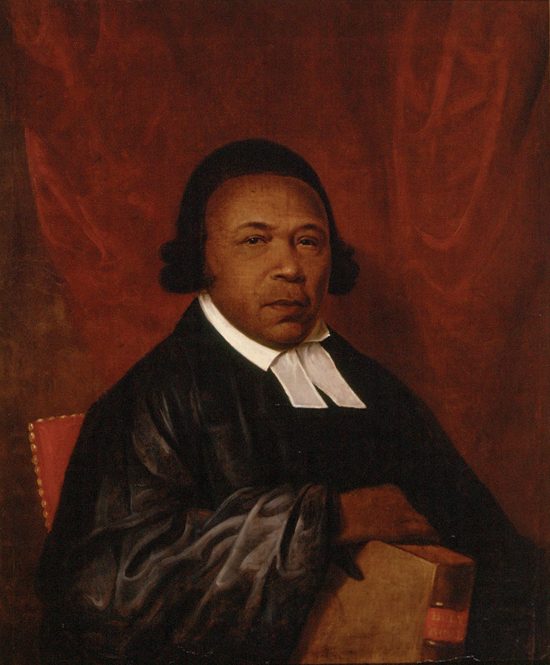
Louis questioned the heavy bleeding that physicians like Benjamin Rush had used, as Rush did against yellow fever in 1793. The Philadelphia story shows how the choice of treatment became a matter of party while thousands died.
Read this moment
Read next · same disease or problem
Philadelphia's yellow fever epidemic of 1793
Louis questioned the heavy bleeding that physicians like Benjamin Rush had used, as Rush did against yellow fever in 1793. The Philadelphia story shows how the choice of treatment became a matter of party while thousands died.
Read this moment
 Today on The Clinical Times
Love to Dream recalls portable baby sound machine over fire and burn risk
Love to Dream has recalled its portable Sleep Machine because its lithium-ion battery can overheat while charging with an incompatible charger, creating a risk of fire and burns.
Read today’s top stories
Today on The Clinical Times
Love to Dream recalls portable baby sound machine over fire and burn risk
Love to Dream has recalled its portable Sleep Machine because its lithium-ion battery can overheat while charging with an incompatible charger, creating a risk of fire and burns.
Read today’s top stories
All 526 moments in the history of medicine. This one is in chapter 4, Germs, numbers and clean water
Connected moments
How this moment links to others in the history of medicine, and what you will find in each.
-
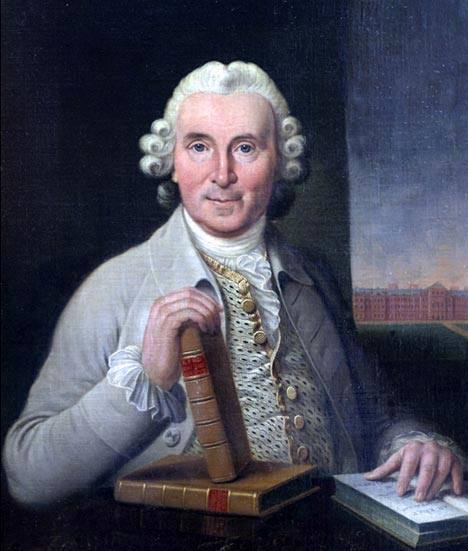 Same disease or problem1747Lind's Scurvy Trial on HMS SalisburyBoth compared patients who were as alike as possible to judge a treatment, Lind with sailors and Louis with pneumonia patients. Lind's story shows six scurvy remedies tested in pairs aboard HMS Salisbury.Read this moment
-
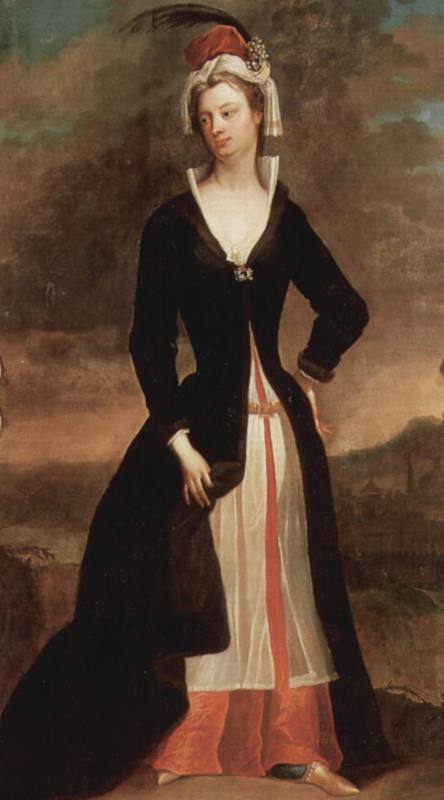 Same disease or problem1721Smallpox Inoculation in London and BostonBoth settled a medical argument by counting deaths among treated and untreated patients. The inoculation story shows numbers like 6 deaths among 247 inoculated used to prove the practice safer than natural smallpox.Read this moment
- Same disease or problem1972Cochrane, 'Effectiveness and Efficiency'Louis counted outcomes to test a treatment everyone assumed worked, and Cochrane argued the health service should test all its treatments with randomized trials. His story shows the monograph that gave its name to the Cochrane Collaboration.Read this moment