Epidemiology
1793
Philadelphia's yellow fever epidemic of 1793
Yellow fever killed more than 5,000 people in Philadelphia in 1793. Physicians fought over its cause and treatment, and Black Philadelphians organized by Absalom Jones and Richard Allen nursed the sick and buried the dead after many residents fled.
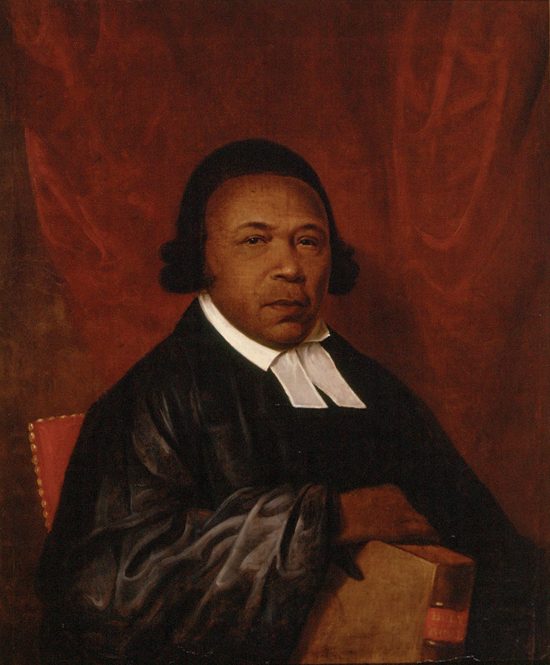
Key people
- Absalom Jones
- Free African Society leader who organized Black nurses and co-wrote the Narrative
- Richard Allen
- Free African Society leader and co-author of the 1794 Narrative
- Benjamin Rush
- Physician who promoted bleeding and purging and blamed miasma
- Matthew Clarkson
- Mayor who organized the volunteer committee
Source
Philadelphia had about 50,000 people in 1793 when yellow fever spread through it. Everyone who could afford to leave did, George Washington and other officials among them, and within a month of the fever's arrival the city, state and federal governments had almost stopped functioning. On 10 September Mayor Matthew Clarkson appealed for volunteers. A committee met daily at City Hall from 14 September to 27 November to arrange care for the sick, bury the dead and look after orphans. It took over a makeshift hospital at Bush Hill, found it dirty and disordered, and put two volunteers, Stephen Girard and Peter Helm, in charge.
Physicians quarreled over cause and cure. Benjamin Rush, a signer of the Declaration of Independence, blamed miasma, impure air arising in the city itself, and treated patients with heavy bleeding, purging and large doses of mercury. Alexander Hamilton, the Treasury Secretary, blamed refugees from Santo Domingo, favored closing the ports and backed the gentler bark and wine cure. Neither treatment worked well, and the choice between them became a matter of party.
Rush and others urged Black Philadelphians to nurse the sick, in the mistaken belief that people of African descent were immune. Absalom Jones and Richard Allen, leaders of the Free African Society, organized nurses, carters and gravediggers, and Rush taught them when to bleed and how to give his medicines. Many fell ill; on some days four or five Black Philadelphians were taken for burial. More than 5,000 people died in all.
When Mathew Carey, whose account of the epidemic ran through several editions, accused Black nurses of extortion and plunder, Jones and Allen answered in 1794 with A Narrative of the Proceedings of the Black People. They wrote that they had buried several hundred poor people and strangers without asking for payment, and that as many whites as Blacks had been caught pilfering, although Black nurses outnumbered white ones twenty to one.
Keep exploring
 Read next · same disease or problem
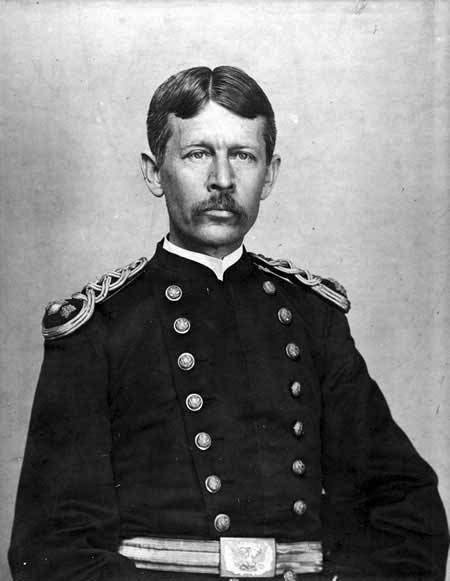
Reed Yellow Fever Commission (1900)
Philadelphia's physicians fought over whether yellow fever came from bad air or from refugees, and in 1900 Reed's commission confirmed that mosquitoes spread it. Its story shows mosquito control clearing the disease from Havana within about a year.
Read this moment
Read next · same disease or problem
Reed Yellow Fever Commission (1900)
Philadelphia's physicians fought over whether yellow fever came from bad air or from refugees, and in 1900 Reed's commission confirmed that mosquitoes spread it. Its story shows mosquito control clearing the disease from Havana within about a year.
Read this moment
 Today on The Clinical Times
Love to Dream recalls portable baby sound machine over fire and burn risk
Love to Dream has recalled its portable Sleep Machine because its lithium-ion battery can overheat while charging with an incompatible charger, creating a risk of fire and burns.
Read today’s top stories
Today on The Clinical Times
Love to Dream recalls portable baby sound machine over fire and burn risk
Love to Dream has recalled its portable Sleep Machine because its lithium-ion battery can overheat while charging with an incompatible charger, creating a risk of fire and burns.
Read today’s top stories
All 526 moments in the history of medicine. This one is in chapter 3, Anatomy and observation
Connected moments
How this moment links to others in the history of medicine, and what you will find in each.
-
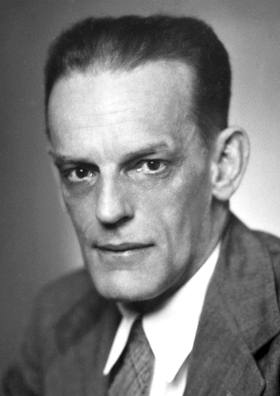 Same disease or problem1937Theiler's 17D yellow fever vaccineYellow fever killed more than 5,000 Philadelphians in 1793, and in 1937 Theiler produced a vaccine against it. His story shows the virus weakened by long culture in chick embryo tissue, work honored with a Nobel Prize.Read this moment
-
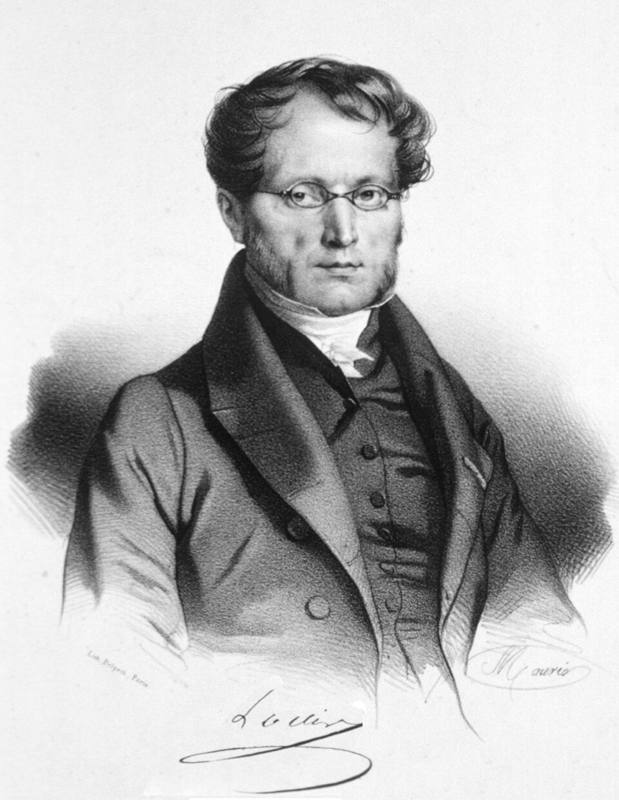 Same disease or problem1835Louis's numerical study of bloodlettingBenjamin Rush treated yellow fever with heavy bleeding, and Louis later counted whether bleeding helped at all. His study of pneumonia patients found that bloodletting did not reduce deaths.Read this moment